Hey there! As a resistance tester supplier, I’ve seen firsthand how proper storage can make a huge difference in the lifespan and performance of these nifty devices. So, let’s dive right into how you can store a resistance tester properly. Resistance Tester
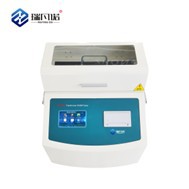
1. Clean Before Storing
Before you tuck your resistance tester away, it’s super important to give it a good clean. Over time, dust, dirt, and even some moisture can accumulate on the device, which can mess with its internal components. Start by using a soft, dry cloth to wipe down the exterior. Make sure to get into all the nooks and crannies, like around the buttons and the ports.
If there are any stubborn stains, you can dampen the cloth slightly with a bit of isopropyl alcohol. Just be careful not to get too much liquid on the tester, as that can cause short – circuits. For the test leads, gently clean them as well. Check for any signs of wear or damage on the leads, and if you notice anything off, it might be a good idea to replace them.
2. Choose the Right Storage Location
The location where you store your resistance tester matters a whole lot. You want to find a place that’s dry, cool, and free from excessive humidity. High humidity can cause rust and corrosion on the metal parts of the tester, and it can also affect the electrical components.
A cabinet or a storage box in an air – conditioned room is an ideal choice. Avoid storing the tester in basements or attics, as these areas tend to have fluctuating temperatures and high humidity levels. Also, steer clear of places near windows or vents where it could be exposed to direct sunlight or drafts.
3. Protect It from Physical Damage
Resistance testers are delicate pieces of equipment, and they can easily get damaged if they’re not stored properly. One way to prevent physical damage is to use a protective case. Many resistance testers come with their own cases, but if yours doesn’t, you can find a suitable one online or at a local electronics store.
The case should be padded to absorb any shocks or impacts. When you put the tester in the case, make sure it fits snugly so that it doesn’t move around too much. Also, keep the test leads neatly coiled and stored in the case with the tester. This will prevent them from getting tangled or damaged.
4. Keep It Away from Magnetic Fields
Magnetic fields can interfere with the accuracy of a resistance tester. So, you should avoid storing it near devices that generate strong magnetic fields, such as speakers, motors, or large transformers. Even small magnets can have an impact over time, so be careful not to place any magnetic items close to the tester.
If you’re not sure whether a particular area has a magnetic field, you can use a simple magnetic compass. If the compass needle moves erratically when you bring it close to the storage area, there’s likely a magnetic field present, and you should find a different spot.
5. Battery Management
If your resistance tester uses batteries, proper battery management is crucial during storage. If possible, remove the batteries when you’re not going to use the tester for an extended period. Batteries can leak over time, and the corrosive substances from the leak can damage the tester’s internal circuitry.
If you’re storing the batteries separately, make sure to store them in a cool, dry place. Also, keep them away from metal objects that could cause a short – circuit. If your tester has a rechargeable battery, make sure it’s fully charged before storage and then give it a quick charge every few months to keep the battery in good condition.
6. Dust and Debris Protection
Dust can be a real enemy of electronic devices like resistance testers. Even the tiniest dust particles can get into the internal components and cause problems. In addition to using a protective case, you can also use a dust cover.
There are many generic dust covers available online that can fit most resistance testers. You can also make a simple dust cover using a piece of soft fabric. Just make sure it’s big enough to completely cover the tester and that it fits securely.
7. Regular Inspections
Even when your resistance tester is in storage, it’s a good idea to give it a quick inspection every once in a while. Check for any signs of damage, such as cracks in the casing, loose connections, or signs of corrosion. If you notice anything unusual, address it right away.
You can also turn on the tester (if it’s safe to do so without damaging the device) and make sure it’s still functioning properly. This will give you peace of mind and help you catch any potential problems before they become major issues.
8. Labeling and Organization
If you have multiple resistance testers or other testing equipment, it’s a good idea to label them and keep them organized. This will make it easier to find the tester you need when you’re in a hurry. Use a permanent marker or a label maker to clearly mark the tester and any important information about it, such as its model number or calibration date.
You can also create an inventory list of all your testing equipment. This list should include details like the make, model, purchase date, and last calibration date of each tester. By keeping everything organized, you’ll be able to manage your equipment more effectively and ensure that it’s always in good working condition.
Why Proper Storage Matters
Proper storage of your resistance tester isn’t just about keeping it looking good. It has a direct impact on its accuracy and reliability. A well – stored tester will give you more accurate readings, which is crucial when you’re working on electrical projects. It also extends the lifespan of the tester, saving you money in the long run.
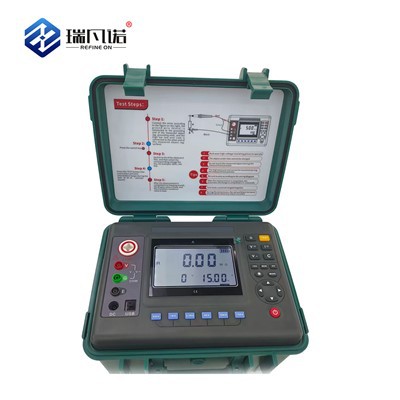
If you’re in the market for a high – quality resistance tester, we’ve got you covered. Our resistance testers are known for their precision, durability, and ease of use. Whether you’re a professional electrician or a DIY enthusiast, our products are designed to meet your needs.
Transformer Tester If you’re interested in learning more about our resistance testers or have any questions about storage or usage, don’t hesitate to reach out. We’re here to help you make the best decision for your testing needs. Contact us today to start a conversation about your procurement requirements.
References
- Electrical Equipment Maintenance Handbook: A Guide to Proper Storage and Care
- Electronics Storage Best Practices by Industry Standards Association
- Battery Storage and Management for Electronic Devices – A Technical Report
Refine On (Hebei) Electric Power Technology Co., Ltd.
Refine On (Hebei) Electric Power Technology Co., Ltd. is one of the most reliable resistance tester manufacturers and suppliers in China, also supports customized service. Please feel free to wholesale advanced resistance tester at competitive price from our factory. Contact us for quotation.
Address: Building 13, Liandong U Valley, No.64, Jing SAN South Street, Economic Development Zone, Mancheng District, Baoding City, China
E-mail: victor@transformer-test.com
WebSite: https://www.transformer-test.com/
