How to Lay Cables in Trough Cable Tray?
As a seasoned supplier of trough cable trays, I’ve witnessed firsthand the critical role these systems play in modern electrical installations. The proper installation of cables in trough cable trays is not just a matter of convenience; it’s a fundamental aspect of ensuring the safety, efficiency, and longevity of electrical systems. In this blog, I’ll share my insights and experiences on how to lay cables in trough cable trays effectively. Trough Cable Tray
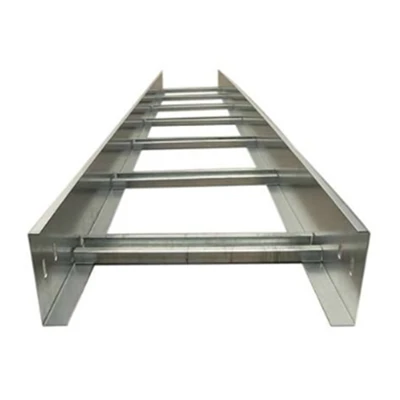
Understanding the Basics of Trough Cable Trays
Before delving into the cable – laying process, it’s essential to understand what trough cable trays are. Trough cable trays are a type of cable management system that provides a rigid and enclosed pathway for cables. They are typically made of metal, such as steel or aluminum, and come in various sizes and configurations to accommodate different cable types and quantities.
The advantages of using trough cable trays are numerous. They offer excellent protection for cables against physical damage, environmental factors like dust and moisture, and electromagnetic interference. Additionally, they facilitate easy cable installation, maintenance, and future expansion.
Pre – installation Planning
The first step in laying cables in trough cable trays is thorough planning. This involves several key aspects:
Cable Assessment
Identify the types of cables that will be installed. Different cables have different requirements in terms of bending radius, temperature ratings, and ampacity. For example, power cables may require more space and better ventilation compared to control cables. Make a detailed list of all the cables, including their sizes, lengths, and functions.
Tray Sizing
Based on the cable assessment, determine the appropriate size of the trough cable tray. Consider not only the current number of cables but also any future expansion plans. A general rule of thumb is to ensure that the cable fill ratio does not exceed 40% to 50% of the tray’s cross – sectional area. This allows for proper ventilation and easy cable pulling.
Layout Design
Plan the layout of the trough cable tray system. Consider the route of the cables, the location of equipment, and any obstacles that may need to be bypassed. The layout should be as straight and direct as possible to minimize cable tension during installation. Mark the locations of supports, bends, and junctions on the installation site.
Cable Preparation
Once the planning phase is complete, it’s time to prepare the cables for installation:
Cable Cutting
Cut the cables to the appropriate lengths. Use sharp cable cutters to ensure clean cuts and avoid damaging the cable insulation. Leave some extra length at each end to account for any adjustments during installation.
Cable Labeling
Label each cable clearly with its destination, function, and any other relevant information. This will make it easier to identify and troubleshoot cables during maintenance and future upgrades. Use durable cable labels that can withstand environmental conditions.
Cable Bundling
Bundle the cables together in an organized manner. Group cables with similar functions and characteristics to make installation and management more efficient. Use cable ties or straps to secure the bundles, but be careful not to overtighten them, as this can damage the cables.
Installation of Trough Cable Trays
Before laying the cables, the trough cable trays need to be installed properly:
Mounting
Mount the trough cable trays securely to the building structure using appropriate brackets and supports. The spacing between supports should comply with the manufacturer’s recommendations, which usually depend on the size and weight of the tray and the cables it will carry. Ensure that the trays are level and aligned correctly to prevent cable binding during installation.
Connecting Sections
Connect the individual sections of the trough cable tray using the provided connectors. Make sure the connections are tight and secure to prevent any movement or separation of the trays. Seal the joints to prevent the ingress of dust and moisture.
Bending and Fitting
If the cable route requires bends or changes in direction, use appropriate bends and fittings for the trough cable tray. These should be selected based on the cable bending radius requirements. Ensure that the bends are smooth and do not cause any sharp turns that could damage the cables.
Cable Laying Process
Now comes the actual cable – laying part:
Pulling Cables
Start pulling the cables into the trough cable tray. Use cable pulling equipment, such as a cable winch or a pulling rope, to ensure a smooth and controlled pull. Have a team of installers at different points along the tray to guide the cables and prevent them from getting caught or tangled.
Spacing and Arrangement
As the cables are pulled into the tray, arrange them neatly and maintain proper spacing between them. This helps with heat dissipation and makes it easier to identify and access individual cables in the future. Avoid overcrowding the tray, as this can lead to overheating and increased risk of electrical faults.
Securing Cables
Once the cables are in place, secure them to the trough cable tray using cable clamps or ties at regular intervals. This prevents the cables from moving or shifting during normal operation or in case of vibrations.
Post – installation Checks
After the cables are laid in the trough cable tray, it’s crucial to conduct a series of checks:
Visual Inspection
Inspect the entire cable installation visually. Check for any signs of damage to the cables or the tray, such as cuts, abrasions, or loose connections. Ensure that all cables are properly labeled and arranged.
Electrical Testing
Perform electrical tests on the cables to verify their integrity and functionality. This may include insulation resistance testing, continuity testing, and voltage testing. Any defective cables should be identified and replaced immediately.
Maintenance and Monitoring
Regular maintenance and monitoring are essential for the long – term performance of the cable installation in the trough cable tray:
Cleaning
Periodically clean the trough cable tray to remove dust, dirt, and debris. This helps maintain proper ventilation and prevents the build – up of contaminants that could damage the cables.
Inspection for Wear
Regularly inspect the cables and the tray for signs of wear and tear. Check for any corrosion on the tray, frayed cables, or loose connections. Replace any damaged components promptly.
Why Choose Our Trough Cable Trays?

As a leading supplier of trough cable trays, we offer high – quality products that are designed to meet the most demanding requirements. Our trays are made from premium materials, ensuring durability and reliability. We provide a wide range of sizes and configurations to suit different applications, and our team of experts can offer customized solutions based on your specific needs.
Perforated Cable Tray If you are in the process of planning an electrical installation or need to upgrade your existing cable management system, we invite you to contact us to discuss your requirements. Whether you need advice on cable tray sizing, layout design, or installation procedures, we are here to help. Our commitment to customer satisfaction means that we will work closely with you to ensure that you get the best possible solution for your project.
References
- "Electrical Wiring Installation Principles" – A textbook that provides in – depth knowledge on electrical cable installation and management.
- Manufacturer’s technical manuals for trough cable trays, which contain detailed information on installation, maintenance, and safety guidelines.
- Industry standards such as NEC (National Electrical Code) and IEC (International Electrotechnical Commission) standards related to cable management systems.
Hebei Jinglang Industrial Co., Ltd.
As one of the most professional trough cable tray manufacturers and suppliers in China, we also support customized service. We warmly welcome you to wholesale high quality trough cable tray in stock here from our factory. If you have any enquiry about quotation, please feel free to email us.
Address: Nanxinzhuang Village, Daweihe Hui and Manchu Township, Wen’an County, Langfang City, Hebei Province
E-mail: 18231629992@163.com
WebSite: https://www.jinglangcabletray.com/
