Titanium wires are renowned for their exceptional properties, and one of the most remarkable aspects is their oxidation resistance. As a supplier of titanium wires, I’ve witnessed firsthand the importance of this characteristic in various industries. In this blog, we’ll explore what oxidation resistance means for titanium wires, the factors that influence it, and why it matters in practical applications. Titanium Wires
Understanding Oxidation and Oxidation Resistance
Oxidation is a chemical reaction that occurs when a material reacts with oxygen in the environment. This reaction often leads to the formation of an oxide layer on the surface of the material. For many metals, oxidation can be a significant issue as it may cause corrosion, degradation of mechanical properties, and a change in the material’s appearance.
Oxidation resistance, on the other hand, refers to a material’s ability to withstand oxidation. A material with high oxidation resistance forms a stable and protective oxide layer on its surface, which acts as a barrier to further oxidation. This protective layer prevents oxygen from reaching the underlying material, thus preserving its integrity and performance over time.
Oxidation Resistance of Titanium Wires
Titanium wires possess excellent oxidation resistance, which is one of the key reasons for their widespread use in many industries. When exposed to oxygen, titanium reacts to form a thin, adherent, and self – healing oxide layer primarily composed of titanium dioxide (TiO₂). This oxide layer is extremely stable and provides a high level of protection against further oxidation.
The oxidation resistance of titanium wires is highly dependent on several factors, including the purity of the titanium, the temperature, and the environment in which the wires are used.
Purity of Titanium
The purity of titanium has a significant impact on its oxidation resistance. High – purity titanium wires generally have better oxidation resistance than those with lower purity. Impurities in titanium can act as sites for oxidation to initiate, reducing the effectiveness of the protective oxide layer. For example, iron impurities in titanium can form iron oxides, which are less stable and more prone to corrosion compared to titanium dioxide. As a supplier, we ensure that our titanium wires are made from high – purity titanium to provide the best possible oxidation resistance.
Temperature
Temperature plays a crucial role in the oxidation behavior of titanium wires. At room temperature, titanium forms a very thin and stable oxide layer that provides excellent protection against oxidation. However, as the temperature increases, the oxidation rate also increases. At elevated temperatures, the oxide layer may grow thicker, and its structure may change.
In the range of 200 – 400°C, the oxidation of titanium is relatively slow, and the protective oxide layer remains intact. But when the temperature exceeds 500°C, the oxidation process accelerates significantly. The oxide layer may start to crack or spall, which can expose the underlying titanium to further oxidation. Therefore, when using titanium wires in high – temperature applications, it’s essential to consider the maximum operating temperature and take appropriate measures to ensure the long – term stability of the wires.
Environment
The environment in which titanium wires are used also affects their oxidation resistance. In a dry and oxygen – rich environment, the formation of the protective oxide layer is relatively straightforward. However, in the presence of certain chemicals, such as acids or alkalis, the oxidation behavior can be more complex.
For instance, in acidic environments, the protective oxide layer may dissolve, leading to increased corrosion of the titanium wire. In contrast, in some alkaline environments, the oxide layer may be more stable, but the presence of other ions can still affect the oxidation process. Additionally, the presence of moisture can also influence the oxidation rate, as water can participate in the oxidation reaction and accelerate corrosion in some cases.
Benefits of Oxidation Resistance in Titanium Wires
The excellent oxidation resistance of titanium wires brings numerous benefits in various applications.
Aerospace Industry
In the aerospace industry, titanium wires are widely used due to their high strength – to – weight ratio and oxidation resistance. Components made from titanium wires, such as fasteners and cables, need to withstand harsh environmental conditions, including high altitudes where the air contains more oxygen. The oxidation resistance ensures that these components remain structurally stable over long periods, reducing the need for frequent replacements and maintenance.
Chemical Industry
In the chemical industry, titanium wires are used in environments where they are exposed to various chemicals. The oxidation resistance allows them to resist corrosion from acids, alkalis, and other corrosive substances. This makes titanium wires suitable for applications such as filtration systems, where they can maintain their performance even in aggressive chemical solutions.
Medical Industry
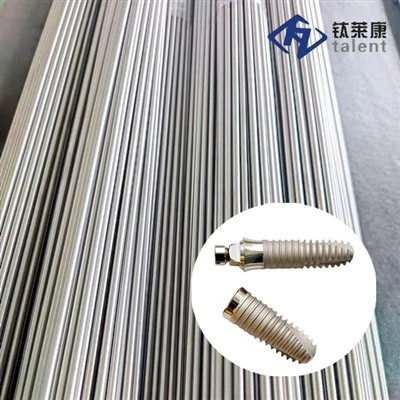
In the medical field, titanium wires are used in implants and surgical instruments. The oxidation resistance is crucial as it ensures that the wires do not corrode in the human body, which is a complex and corrosive environment. The stable oxide layer on the titanium wires also makes them biocompatible, reducing the risk of adverse reactions in the body.
Maintaining and Enhancing Oxidation Resistance
To ensure the long – term oxidation resistance of titanium wires, proper handling and storage are essential. When handling titanium wires, it’s important to avoid scratching the surface, as scratches can damage the protective oxide layer and expose the underlying titanium to oxidation.
In some cases, additional surface treatments can be applied to enhance the oxidation resistance of titanium wires. For example, passivation is a common treatment that involves immersing the titanium wires in a chemical solution to remove any surface contaminants and promote the formation of a more uniform and protective oxide layer.
Conclusion
The oxidation resistance of titanium wires is a critical property that makes them suitable for a wide range of applications in various industries. As a supplier of titanium wires, we understand the importance of providing high – quality products with excellent oxidation resistance. Our titanium wires are carefully manufactured using high – purity titanium and undergo strict quality control to ensure their performance and reliability.

If you’re in need of titanium wires for your specific application and are interested in learning more about our products, we invite you to contact us for a detailed discussion. We can help you select the most suitable titanium wires based on your requirements and provide you with all the necessary technical support. Whether you’re in the aerospace, chemical, medical, or any other industry, our team of experts is ready to assist you in finding the best solutions.
Dental Titanium Blocks Let’s work together to ensure that your projects benefit from the outstanding properties of our titanium wires.
References
- "Titanium: A Technical Guide" by David S. Leyens and Walter A. Peters
- "Metallurgy and Technology of Titanium" by Y. K. Rohatgi and N. Eskin
- "Corrosion and Corrosion Control" by Mars G. Fontana
Baoji Tailaikang High-Tech Metal Materials Co., Ltd.
With abundant experience, we are one of the most professional titanium wires manufacturers and suppliers in China. Please feel free to buy titanium wires for sale here and get pricelist from our factory. For price consultation, contact us.
Address: No. 1, Southeast Cross of Gaoxin Avenue and Fenghuang 3rd Road, High-tech Development Zone, Baoji City, Shaanxi Province, China
E-mail: sale@tlkjs.com
WebSite: https://www.tlkmetal.com/
