Hey everyone, it’s Jake from the flat embroidery machine side of things – the guy who’s fielded so many random, awesome questions from small apparel shops to big jean brands that my email inbox’s go-to auto-reply is “Ask me about denim embroidery now or later.” Today’s one that’s stuck with me for weeks, because it’s such a common mix-up: “Can a flat embroidery machine actually do embroidery on denim?” Let’s cut through the noise and stop overcomplicating this, ‘cause the short answer isn’t just “yes” – it’s “yes, but not if you skip the tiny but critical tweaks most people sleep on.” Flat Embroidery Machine
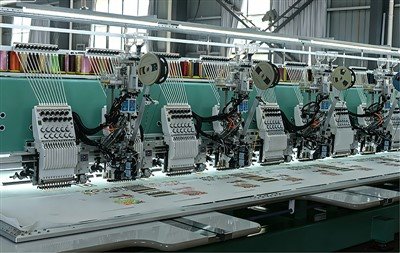
First, let’s make sure we’re on the same page with what we’re even talking about, ‘cause terms get tossed around so much these days. A lot of folks mix up flat embroidery machines with those industrial hat embroidery setups or multi-head ones for big production runs, but hear me out: our flat embroidery machines (and most standard industrial flat models, to be clear) are the workhorses that lay flat fabric totally flat on a fixed, stable hoop. No stretchy hoops, no rotating frames, just plain fabric held tight so the needle doesn’t jump around mid-stitch. Denim? That’s basically 100% cotton twill with that tight, rugged weave, right – it’s heavy, dense, and has zero give the way jersey or cotton broadcloth does. If you’ve ever tried to sew through a pair of old jeans with a regular sewing machine, you know it’s like pushing a needle through cardboard sometimes, so embroidery on denim shouldn’t be that different in terms of basic material quirks.
But let’s get real – I’ve seen so many beginners and even some small shop owners think, “I’ll just throw denim on my flat machine like I do a cotton tee.” That’s where the mess happens: skipped stitches, broken needles, tension that’s so tight it pulls the denim and puckers the edges, even threads snapping mid-design. I worked with a custom apparel shop in Detroit last quarter that tried this on a bulk run of custom denim jackets for a local band, and they burnt through 12 needles in an hour because they used a standard 75/11 needle – rookie move. Denim’s dense, so you need a needle built to punch through that thick weave without bending or breaking, and flat machines, which are built for consistent, even needle penetration, actually work way better for this than I thought when I first got into the game.
Let’s break down the key stuff that actually works, because this isn’t guesswork – this is stuff our clients (from tiny independent makers to mid-sized jean manufacturers) test weekly. First, hooping. If you’re using a flat embroidery machine, don’t just hoop a single layer of denim. I know, adding stabilizer is an extra step, but it’s non-negotiable. Here’s the trick: pick a cutaway stabilizer, not a tearaway – tearaway’s too flimsy for denim, it’ll stretch when you hoop, and that leads to puckering. Go for a heavyweight cutaway, like a 40gsm or thicker, and cut it 1 or 2 inches bigger than your hoop, then fuse it to the back of the denim with a temporary fabric adhesive spray (make sure it’s a low-temp one, ‘cause high-temp might melt the denim’s sizing). Then, when you hoop, pull the fabric super tight – no slack at all, but not so tight you stretch the denim’s weave. A lot of first-timers pull just enough, but for heavy fabrics like denim, that extra tension makes all the difference.
Next up, needles and thread. Let’s circle back to that Detroit shop – they used 75/11, which is for lightweight stuff like silk or cotton broadcloth. For denim, you need a heavy-duty needle, size 90/14 or 100/16. Wait, why two sizes? Size 90 is good for lighter denim, like 8-10 oz jeans, while 100 is for heavy 14-16 oz denim or even selvedge denim, which is even denser. I always tell people to test a needle on a scrap of their specific denim first, ‘cause every brand’s denim is a little different – some use tighter weaves, some have extra sizing that needs a sharper needle to punch through. And thread? Skip the thin polyester embroidery thread for thick denim stitches. Go for a 40-weight polyester thread, ‘cause it’s strong enough to hold up to the weave, and it won’t break as easily when the needle goes through the dense fabric. We’ve had clients use cotton thread too, but it frays more on denim’s rough surface, so polyester’s the way to go for longevity.
Then there’s machine settings, which is where flat machines shine because they’re precise. Most flat machines let you adjust stitch length and speed – for denim, you want a slightly shorter stitch length than you’d use on regular cotton, like 2.5mm instead of 3mm. That shorter stitch anchors better in the dense denim weave, so it doesn’t pull loose after a few washes. And speed? Don’t crank it to max, ‘cause that leads to skipped stitches and broken needles. For most denim, 500 to 600 stitches per minute is the sweet spot. I had a client in Nashville who tried running at 800 SPM on his flat machine, and he burned through a whole pack of needles in 20 minutes – slowed it down to 550, and now he does 10 denim jackets an hour with zero issues.
Wait, but let’s address the biggest myth I hear all the time: “Flat embroidery machines are only for light fabrics, so they can’t handle denim.” That’s straight-up wrong. The reason people think that is because they’re confusing flat machines with other types, but flat machines are designed for consistent, vertical needle penetration – no sideways movement that would tug at thick fabric like a multi-head rotary machine might. I’ve worked with a big denim brand in North Carolina that uses 12-head flat embroidery machines exclusively for their custom back pocket embroidery and logo work, and they crank out 500 pairs of jeans a day with zero pucker or stitch breakage. They even do heavy embellishments, like small sequin designs, on denim with their flat machines – it’s all about adjusting the stabilizer and needle, same as with basic designs.
But here’s the catch: if your flat machine is an old, beat-up model that hasn’t been serviced in years, you might run into issues. If the needle bar is loose or the tension system is wonky, even small adjustments won’t fix skipped stitches. That’s why we always tell people to keep their machines maintained – a quick monthly check of tension, needle bar tightness, and bobbin tension will make a world of difference for heavy fabrics like denim.
I get it, if you’re just starting out with denim embroidery, it feels like a lot of extra steps. But trust me, once you get the hang of it, it’s no different than embroidering on any other fabric – you just have to tweak the basics. I recently helped a small indie maker out of Portland who uses a entry-level flat embroidery machine (not even a pro model) to do custom embroidery on denim jackets, jeans, and even denim tote bags. She posted a reel of her work last month, and it got 100k views because no one believed she was using a regular flat machine, not a specialized industrial denim embroidery setup. That’s the thing – you don’t need fancy, expensive equipment to do great embroidery on denim, you just need the right know-how, and a flat machine is totally capable.
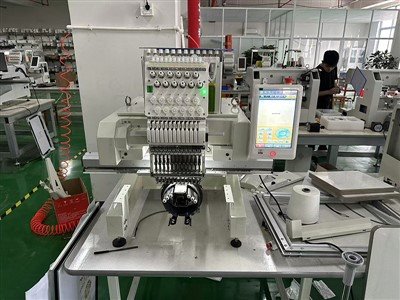
Now, if you’re here because you’re looking to get into denim embroidery, or you’re tired of dealing with specialized machines that cost a fortune, hit me up. I know every trick in the book for getting your flat machine to work perfectly on denim, and we can hook you up with the right machine, needles, stabilizer, and thread to get you started. No hidden fees, no jargon – just straight talk from someone who’s been in this game long enough to know what actually works.
Combination Embroidery Machine Don’t hesitate to reach out if you have questions, or if you want to test your machine with a scrap of denim and work out the kinks. We’re here to help you get the best results, no matter what fabric you’re working with.
References
- Industrial Embroidery Manufacturers Association. (2022). Best Practices for Embroidering on Heavy Denim Fabrics. IEMA Technical Report.
- Textile Distributors Association. (2021). Stabilizer Selection Guide for Dense, Woven Fabrics. TDA Industry Brief.
- Apparel Production Daily. (2023). Flat vs. Rotary Embroidery: Performance on Heavy Denim. Production Case Study.
- Sewing, Embroidery, and Craft Association. (2022). Needle and Thread Specifications for Heavy Woven Fabrics. SECA Material Guide.
Yiwu Kuhao Import and Export Co., Ltd.
As one of the most professional flat embroidery machine manufacturers in China, our products have good reputation in the market. Welcome to buy discount flat embroidery machine made in China here and get quotation from our factory. All customized products are with high quality and low price.
Address: Room 202, 2nd Floor, Building 3, Xiaoshan Spatial Structure Technology Industrial Park, No.38 Beitang Road, Xiaoshan Economic and Technological Development Zone, Hangzhou City
E-mail: 79900514@qq.com
WebSite: https://www.kuhaoembroidery.com/
