If you’re an IBC plastic pallet user, you’ve probably noticed over time how grime, food residue, dust, or even chemical spills can build up on these hardworking pieces of equipment. I know this well because I’m the guy behind an IBC plastic pallet supply business—we sell pallets to everyone from food manufacturers to chemical processors, and one question comes up all the time: “How do I clean these pallets without messing them up?” IBC Plastic Pallet
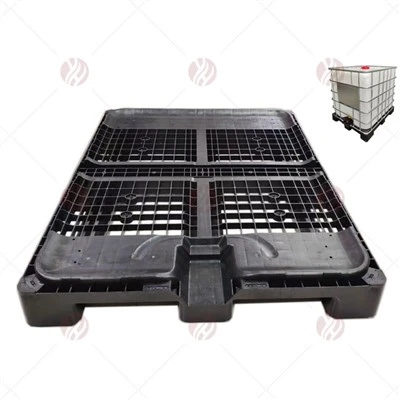
A lot of us (myself included, early on) used to overcomplicate it: scrubbing with harsh chemicals that eat at the plastic, or hosing them down in a way that leaves mold or water spots. The truth is, cleaning IBC plastic pallets isn’t rocket science—but it does depend on what you’re cleaning off, and how you do it. Skip the guesswork, and follow this step-by-step guide that’s been tested on thousands of pallets we’ve supplied over the years.
First, let’s cut through the fluff: why does cleaning even matter? For food industry folks, leftover grease or crumbs can attract pests and violate health codes (I’ve had customers get cited because they skipped a deep clean). For chemical or industrial users, residue from past loads can contaminate new materials—like if you used a pallet for cleaning supplies and then load food-grade detergent later, that’s a recipe for cross-contamination. And let’s be real, grimy pallets just don’t last as long. Dirt and debris hide in the crevices, weaken the plastic over time, and make the pallet more likely to crack under weight.
Now, let’s get to the actual cleaning steps. First, prep work. Before you grab a hose or a scrub brush, make sure you’re wearing the right gear: gloves (the plastic gets sharp around edges, and even mild cleaners can irritate skin), closed-toe shoes, and maybe safety glasses to keep spray from getting in your eyes. Also, set the pallet on a flat surface—pallets are heavy, and tilting them mid-clean can cause spills or even injury.
Next, remove all loose debris. That means knocking off big chunks of food, dirt, or old packaging with a broom (a stiff bristle one works best) or even a power washer on low pressure. Wait—low pressure. A lot of people crank the power washer up to 2000 PSI and blast the pallet, but that can chip the plastic or force water into the pallet’s seams, where it’ll get stuck and grow mold later. If you don’t have a power washer, a strong garden hose with a spray nozzle works fine. Just don’t stand too close—you don’t want to blast water everywhere.
Once the loose stuff is gone, it’s time to tackle the stubborn mess. This is where you adjust your approach based on what’s on the pallet:
-
Food residue (grease, crumbs, dairy): The best combo here is warm water + a mild dish soap (not the anti-bacterial stuff—it leaves residue) or a food-safe pallet cleaner (we actually keep a bottle of this in our shop for testing). Mix about a quarter cup of soap with a gallon of warm water, dip a stiff scrub brush (not a steel wool pad—metal scraps can get stuck and scratch the plastic) into the mixture, and scrub every nook and cranny. Pay extra attention to the gaps between the slats—this is where 90% of the gunk hides. If it’s a really greasy pallet, let the soapy water sit for 10-15 minutes first to break down the grease, then scrub.
-
Industrial/chemical residue: If your pallet was used for things like fertilizers, paint, or non-food-grade chemicals, you need a stronger (but still plastic-safe) cleaner. Skip the bleach—it’s too harsh and will fade the plastic over time. Instead, go for a pH-neutral industrial cleaner (or a 50/50 mix of white vinegar and water, which works great for mild chemical residue). Scrub carefully, and make sure to rinse very well—any leftover chemical can react with new loads (or even damage the pallet’s plastic long-term).
-
Mold/mildew spots: This is common if pallets are stored outdoors or in damp areas. For this, a mix of 1 gallon of water + 1/2 cup of baking soda works wonders. The baking soda absorbs the mold and neutralizes odors, and it’s gentle on plastic. Scrub the spots, then let the pallet sit in the sun for a few hours—sunlight kills leftover mold spores, so this is a free extra step.
After scrubbing, rinse thoroughly. Again, low pressure on the hose or power washer—you don’t want to force water into the pallet’s base. Make sure every trace of soap or cleaner is gone; leftover soap can attract more dirt or even contaminate food loads. Then, let the pallet air dry completely. I’ve seen people stack wet pallets right after rinsing, and that’s a surefire way to get moldy slats. Set them in a sunny, well-ventilated area for at least 24 hours (depending on humidity) before using or storing them.
Wait—what if you don’t have time to scrub every pallet? Some customers ask about commercial pallet washing services, and that’s a totally valid option. But if you’re doing it in-house, stick to the steps above. Also, a quick pro tip: schedule regular cleanings, not just when the pallet looks dirty. For food pallets, do a deep clean every 3-6 months. For industrial pallets, do a light clean after every major load, and a deep clean every 6 months.
Now, let’s talk about what NOT to do. Don’t use high heat (like a pressure washer over 1500 PSI, or a power washer with hot water above 120°F) — that can warp the plastic. Don’t use abrasive scrubbers (steel wool, rough sandpaper) — they scratch the plastic, making it easier for gunk to stick later. Don’t leave pallets to air dry in a damp, closed space — mold will come back, and fast. And don’t mix cleaners — like bleach and ammonia, that creates toxic fumes, and neither is good for your pallets anyway.
As someone who sells IBC plastic pallets, I can tell you this: a clean pallet is a happy pallet. It lasts longer, works better, and keeps your loads safe. If you’re looking for durable, easy-to-clean IBC pallets (we’ve got options for food-grade, industrial, and heavy-duty use), hit us up to talk through what you need. No boring sales pitch—just answers to all your questions, and pallets that’ll hold up to whatever you throw at them.

If you have more questions about pallet care, or want to see the types of pallets that work best for your business, reach out to connect for a custom chat. We’re here to help you keep your operations running smoothly, one clean pallet at a time.
IBC Tote Tank Valve References
- National Food Safety Foundation. (2022). Guidelines for Cleaning Food-Contact Equipment and Packaging Materials.
- Plastic Pallet Manufacturers Association. (2023). Best Practices for Maintaining Industrial Plastic Pallets.
- USDA Food and Safety Inspection Service. (2021). Sanitation Standards for Food Storage and Handling Equipment.
- Environmental Protection Agency. (2022). Safer Chemicals Guide for Cleaning Food-Grade Industrial Equipment.
- Pallet Association of North America. (2023). Cost-Effective Maintenance Strategies for Reusable Plastic Pallets.
Zhenjiang Yuanhai Packaging Co., Ltd.
We’re well-known as one of the leading IBC plastic pallet manufacturers and suppliers in China, featured by quality products and good price. Please rest assured to buy high-grade IBC plastic pallet for sale here from our factory. We also accept customized orders.
Address: No. 9, Danwu Road, Dantu District, Zhenjiang City
E-mail: chin_john@msn.com
WebSite: https://www.yhibc.com/
