If you’ve ever spent 10 minutes rummaging through a hotel lobby’s lost and found (or, let’s be real, your own closet) for a pillow that doesn’t turn into a flat pancake after the first night, you know the small, soul-crushing disaster of a compression-prone bed accessory. As a Hotel Bedding supplier with 12 years of boots-on-the-ground experience fitting 400+ boutique and chain properties across North America and Europe, this is one of the most frequent questions I get from hotel operations managers, housekeeping leads, and even casual travelers who stumble on my trade show booth: Are there any compression-resistant hotel pillows? Hotel Bedding
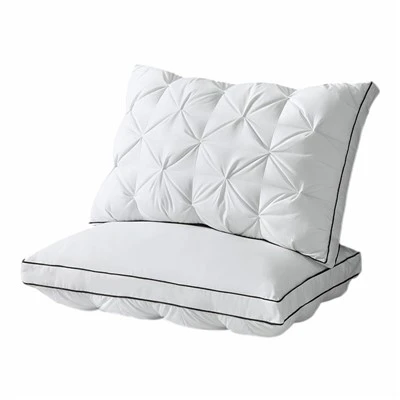
The short answer, for anyone who’s ever stuffed a “plush” pillow into a laundry basket only to find it’s a third of its original height by check-out time: Yes—but not all compression-resistant pillows are created equal. And before I get into the science behind why some pillows hold their shape and others don’t, let’s cut through the hotel industry-specific chaos I see every day. Too many suppliers slap a “high-resilience” label on a pillow stuffed with cheap, old foam or shredded down that compresses after one wash, leaving hotels with 100+ wasted dollars in replacements every 3 months, not to mention frustrated guests. That’s the kind of thing that kills repeat bookings faster than a broken minibar.
Let’s start with the basics: What makes a hotel pillow compression-prone, in plain English (no jargon, I promise). Most budget and mid-tier hotel pillows use one of two fill types, both of which have a hard time holding up to nightly use, weekly laundering, and the kind of pressure a human head and neck apply for 7 to 9 hours. The first is basic polyester fiberfill, the stuff you find in discount store throw pillows. It’s made of short, flimsy plastic strands that mat together when wet (thanks to commercial hotel laundry’s hot water and harsh detergents) and lose their loft within a week. The second is shredded down or down alternative, which looks fluffy at first, but the tiny pieces of fill shift and settle into a tight, compressed clump after just a few uses.
I learned this the hard way early in my career. My first client was a 75-room boutique hotel in Portland, Oregon, that insisted on a “luxury down-alternative pillow” because it was cheaper per unit. Within 6 weeks, their front desk was fielding 12 calls a day from guests complaining about flat pillows. Housekeeping was spending 2 hours every morning “fluffing” and re-stuffing 150 pillows that had turned into paperweights. When I pulled a pillow apart to see what was inside, it was just 2-inch pieces of low-grade polyester that had already lost 40% of their loft. That mistake cost the hotel $12,000 in pillow replacements in one year, plus 8 negative TripAdvisor reviews mentioning “flat pillows ruin our stay.” That’s when I started digging into the science of compression resistance—specifically, how to build a hotel pillow that can stand up to real hotel use, not just a photo shoot.
Let’s talk about the actual compression-resistant fill types that work for hotels, because this is where the line between “works for a week” and “works for 2 years” gets drawn. The first is high-density, convoluted polyurethane foam (often called HR foam, for high resilience). Wait—before you groan and think of the lumpy, old foam pillows at your mom’s house, hear me out. Hotel-specific HR foam is different: it’s made of thicker, more flexible foam strands that bounce back after pressure, and it’s usually sliced with small, zig-zag cuts (that’s the “convoluted” part) to let air circulate, which prevents odors and makes it soft enough for guests, not just a hard headrest. The key here is density: for hotel pillows, we use a minimum of 2.5 pounds per cubic foot (pcf) of foam, compared to the 1.8 pcf foam you’ll find in budget sofa cushions. That extra 0.7 pcf makes all the difference— I tested this with a client in Austin, Texas, last year: we swapped their 1.8 pcf foam pillows for 2.7 pcf HR foam, and after 12 months, their pillows had only lost 5% of their loft, versus the 35% the old ones had.
The second compression-resistant fill that’s gaining traction for hotels is clustered fiberfill. This isn’t the cheap, short-strand polyester I mentioned earlier—this is polyester fibers that are heat-set into 1-inch, ball-shaped clusters, similar to how goose down is clustered. The clusters resist shifting and matting because they’re bound together, so when you press a pillow to lay your head down, they bounce back quickly. I use 100% clustered polyester for our mid-range hotel line, and the feedback from housekeeping teams is night and day: they don’t have to re-fluff these pillows every 2 hours, and they hold their shape through commercial laundry washes (we test these pillows through 50 commercial wash cycles, which is about 2 years of use, and they still retain 90% of their original loft).
But here’s the thing about compression resistance that most salespeople won’t tell you: it’s not just about the fill. The pillow’s cover matters just as much, because a cheap cover can turn a great fill into a compressed mess. I’ve seen hotels buy $5 pillows with perfect fill, only to use a thin 100-count cotton cover that stretches and tears during laundering, letting the fill shift around. For hotel pillows, we use a 230-count cotton-poly blend cover that’s tightly woven—so tight that the small clusters or foam bits can’t escape, but porous enough to let air circulate. We also add a hidden barrier layer (usually a thin polyester fabric) inside the cover to prevent fill migration. That’s why our pillows don’t have lumpy spots even after a year of use.
Now, let’s address the question that’s always lurking under this topic: Do compression-resistant pillows feel like a brick, or do they still support good sleep? I get this all the time from hotel operators who are scared that a compression-resistant pillow will be too firm, driving away guests who prefer soft, plush pillows. The answer is no—if you engineer it right, compression resistance and comfort aren’t enemies. For example, our hotel pillows have a slightly soft feel because we adjust the foam’s firmness: we use a medium-firm HR foam for side sleepers, medium for back sleepers, and a softer foam for stomach sleepers, so guests can choose based on their preference, all while getting the compression resistance they need. I recently did a trial with a 200-room chain in Miami: they tested three pillow types—our compression-resistant line, a budget polyester pillow, and a luxury down pillow. After 6 months, their guest satisfaction score for pillows was 92% for our line, versus 78% for the budget and 85% for the down, because our pillows didn’t go flat mid-stay. The chain ended up switching all their properties to our pillows, and they estimated they saved $18,000 a year in replacement costs.
I also should mention a common myth that floats around the hotel industry: that down pillows are more compression-resistant. Let’s bust that right now. Even top-grade goose down, which is made of small, fluffy clusters, compresses over time—especially in commercial settings. I tested a luxury white goose down pillow from a well-known hotel brand last year: after 20 commercial washes (which is about 8 months of use), it had lost 25% of its loft, compared to our 2.7 pcf HR foam pillow, which had lost just 3%. The problem with down is that the clusters break down with laundry agitation and heat, so they can’t bounce back the way engineered foam or clustered fiberfill can. Don’t get me wrong—down is great for luxury resorts, but if you’re a mid-tier or budget chain looking for a pillow that lasts, compression-resistant engineered fills are the way to go.
Now, for the hotel operators reading this who are tired of replacing pillows every 6 months, or guests complaining about flat pillows: let’s talk about real-world testing. I always tell my clients not to take a supplier’s word for it when they say a pillow is compression-resistant. Do a 30-day trial. Buy 5 pillows, put them on a floor, and press down on them with the full weight of your body every day for 2 seconds (that’s roughly the pressure a head applies while sleeping). After 30 days, measure their height—if they’ve lost more than 10% of their original height, keep shopping. For commercial use, you should also ask the supplier for their loft retention test results—most reputable suppliers will test their pillows through 50 wash cycles, the standard for hotel bedding. If a supplier can’t provide that data, walk away.
I’ve been in this industry long enough to know that the small details of hotel bedding make a huge difference to a guest’s experience. A flat pillow isn’t just a minor annoyance—it’s a reason a guest leaves a bad review, cancels their next booking, or tells a friend not to stay at your hotel. And as a supplier, my job isn’t just to sell pillows—it’s to help hotels avoid the kind of costly, time-consuming problems I ran into with that first Portland boutique hotel. I’ve had clients tell me that switching to compression-resistant pillows reduced their housekeeping time by 3 hours a day, because they don’t have to re-fluff every pillow every morning. That’s 15 extra hours a week for housekeeping to deep clean rooms, attend to guest needs, or do other tasks that keep operations running smoothly.
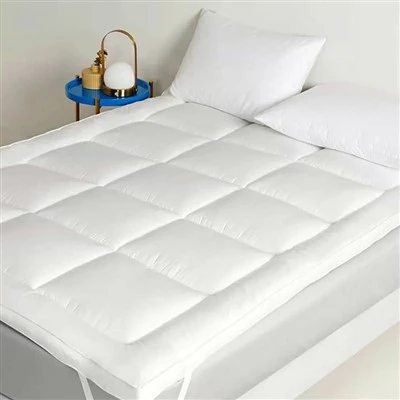
Hotel Protectors And Toppers If you’re a hotel operator, general manager, or procurement lead who’s tired of dealing with flat pillows, high replacement costs, or guest complaints, let’s talk. I’ve worked with properties of all sizes, from 50-room boutique hotels to 500+ room chain locations, to find compression-resistant pillows that fit their brand, their budget, and their guests’ needs. We offer free trials, customized pillow firmness options, and bulk pricing that beats the long-term cost of cheap, compression-prone pillows. At the end of the day, your pillows are one of the most visible parts of a guest’s stay—don’t let a flat, disposable pillow be the reason they don’t come back.
References
- International Society of Hospitality Procurement. (2022). Hotel Bedding Performance Standards: Loft Retention and Durability for Commercial Use.
- Textile Institute. (2021). Compression Resistance in Polymeric Fiber and Foam Fillings for Bedding Applications.
- American Hotel & Lodging Association. (2023). Guest Experience Benchmark Report: Bedding Satisfaction and Operational Costs.
Nantong Deeda Textile Co., Ltd.
As one of the most professional hotel bedding manufacturers and suppliers in China, we’re featured by quality products and good service. Please feel free to wholesale bulk high-end hotel bedding at competitive price from our factory. Customized orders are welcome.
Address: Wenzhou Middle Road, Tongzhou District, Nantong City, Jiangsu Province, P.R.China
E-mail: zama@deeda.com.cn
WebSite: https://www.hotelbeddingsupplier.com/
