Hey there, fellow tumbling enthusiasts and workshop wizards! Let’s cut to the chase—if you’ve ever spent hard-earned cash on high-quality tumbling media, only to find it gunked up with grime, leftover polish, or tiny metal shavings that make your finishing jobs sloppy, you know the panic. I’ve been in this game for over a decade now, running a media supply shop that sends stuff out to jewelers, machinists, hobbyists, and even small custom parts makers across the country. And trust me—nothing makes a customer angrier than “ruining” their media trying to clean it, or worse, the media losing its cutting power because it was cleaned wrong. Tumbling Media
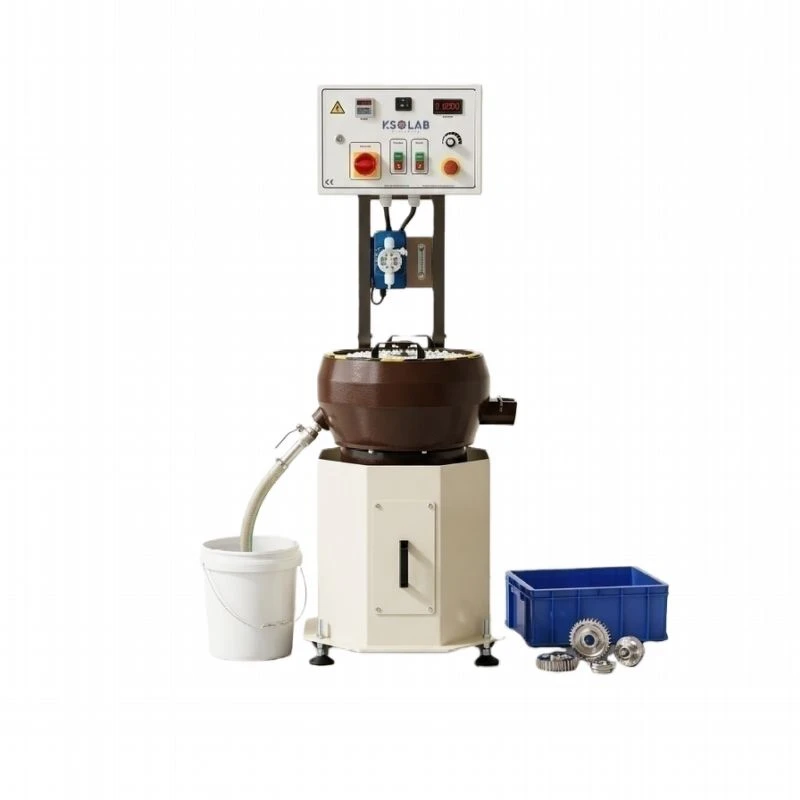
Today, I’m pulling back the curtain on what actually works for cleaning tumbling media without wrecking it. No overcomplicated lab tricks, no “try this random household chemical” hacks you see on sketchy forums, just stuff I’ve tested firsthand with my team, plus the collective wisdom of the folks who’ve relied on our media for years. Let’s dive in.
First, let’s get one thing straight: not all media is created equal, so its cleaning needs vary. The two big types I sell are ceramic tumbling media (used most for jewelry, small metal parts, and gentle finishing) and plastic tumbling media (common for bulkier parts, or when you need a little more cushion). We also carry stainless steel media, mostly for heavy deburring jobs. Each of these reacts totally differently to cleaning methods, so I’m gonna break this down by type, with the general rules first.
First rule of thumb? The faster you clean your media, the better. If you finish a tumbling cycle and leave all the gunk caked on overnight, it’s way harder to get off, and that crud can actually etch into the media’s surface over time—permanently dulling it and ruining its cutting edges. I can’t tell you how many times a customer has emailed me panicking because their media was sitting dirty for a week, and now it’s “ruined.” Don’t be that guy. Clean right after each cycle.
Now, let’s talk about the core supplies you’ll need. You don’t need fancy lab gear, just a few cheap things from the hardware or grocery store. First: a big plastic bucket (metal is a no-go—metal will scratch media, and if you’ve got stainless steel media, it can even cause tiny rust spots that transfer to your parts). Next, a nylon scrub brush—bristly, but not so stiff it’ll chip ceramic or scratch plastic. A soft mesh strainer works too, way better than a colander with big holes that’ll let small media bits slip through. Then, for cleaning solutions: plain hot tap water works for light grime, a tiny squirt of pH-neutral dish soap (like Dawn, not those heavy-duty degreasers) for mild buildup, and white vinegar for tougher, calcified gunk (think old polish residue or mineral deposits from hard tap water). For really heavy jobs, isopropyl alcohol (91% or higher, not the 70% stuff that’s full of water) cuts through grease like butter without leaving residue. Avoid anything with harsh acids—muriatic acid, bleach, oven cleaner—those will eat through the coating on plastic media or pit ceramic.
Let’s start with the easiest case: light, everyday cleaning after a standard tumbling cycle. This is for when your media just has a little leftover polish dust or tiny part shavings stuck to it. Here’s how we do it at the shop. First, drain the old sludge water from your tumbler. Don’t pour that down your sink—most of it’s got tiny metal shavings or polish that can clog pipes, so toss it in the trash. Then, dump the media straight into your big plastic bucket. Add hot tap water until the bucket is about ¾ full, toss in that tiny squirt of pH-neutral dish soap, then swish the media around with your hand for 30 seconds or so. You’ll see the water turn cloudy right away. Next, take your mesh strainer, and pour the whole bucket through it, letting the water drain out, but keeping the media in the strainer. Rinse the media under hot running water for another 10 seconds, shaking the strainer gently to get all the suds off. That’s it—light grime gone, no damage.
Now, what if you’ve got tougher buildup? Like, months of gunk, or you’ve used media for heavy deburring jobs where metal shavings or weld residue caked on? That’s when white vinegar or isopropyl alcohol comes in, depending on what kind of media you’re dealing with. Let’s split this by media type, because this is where most people mess up.
Ceramic media is the workhorse of most finishing jobs, but it’s also the most prone to chipping if you’re rough with it, and it can absorb harsh chemicals if you leave it soaking too long. For ceramic media with tough gunk, here’s the safe method. First, fill your plastic bucket with equal parts hot water and white vinegar, enough to cover all the media completely. Now, don’t just dump the media in—give it a gentle stir, then let it soak for 30 minutes max. I repeat: max 30 minutes. Any longer, and the vinegar (even diluted) can start to etch the tiny surface pores of ceramic media, which is where it holds the abrasive that makes it work. After 30 minutes, take the media out, swish it around in the bucket a little to loosen the gunk, then use your nylon brush to gently scrub off any remaining residue. Rinse with hot water, and you’re good. I know some people swear by soaking ceramic media overnight, but trust me—one customer did that last year, and half his media came out dull and stopped cutting as well. 30 minutes is all you need.
Plastic media is even trickier, because it’s made of plastic that can warp, scratch, or even break if exposed to too much heat or harsh chemicals. For plastic media with heavy buildup (or if you’ve mixed it with metal media by accident), skip the vinegar entirely—vinegar can make plastic brittle over time. Instead, use that 91% isopropyl alcohol. Pour a thin layer of alcohol over the media in your bucket, just enough to cover the top, let it sit for 15 minutes. Alcohol cuts through grease and polish residue way faster than water, and it evaporates quickly so it doesn’t get trapped in the plastic’s pores. After 15 minutes, swish the media around, then rinse with cold water (hot water can warp plastic media, so stick to cold here). Never scrub plastic media with a stiff brush—even nylon can scratch it, which will make it hold more gunk next time. Just gentle swishing and a light rinse is enough. If you’ve got plastic media with a lot of stuck-on metal shavings, you can add a tiny magnet to the bucket for a minute after rinsing to pick up any stray bits—works like a charm, and no scratching.
Stainless steel media is the heavy lifter—great for deburring thick metal parts, but it’s the easiest to mess up because it’s magnetic, but also prone to rust if you clean it wrong. For stainless steel, you don’t soak it in vinegar—vinegar can cause surface rust on steel. Instead, for everyday cleaning, use hot water and a tiny drop of dish soap, swish, rinse thoroughly, and dry immediately. Wait—drying is key for steel. I can’t tell you how many times a customer has put their wet steel media back in the tumbler, and a day later it’s got tiny rust spots all over. After rinsing steel media, spread it out on a paper towel or a clean rag for 10 minutes to air dry completely, or even better, pat each piece dry with a paper towel. For really tough, caked-on gunk on steel, a quick wipe with a damp paper towel dipped in baking soda will lift it without scratching. No harsh chemicals, no soaking, no leaving it wet.
Now, what should you never do? Let’s get into the don’ts, because these are the mistakes I see every single week from customers that ruin media fast. First: never use a metal brush to scrub media. Even if it seems like it’s tough enough, metal bristles will leave tiny scratches on ceramic or plastic, and can even nick steel media, leading to rust. Second: never put media in the dishwasher. Dishwasher detergent is way too harsh, and the high heat will warp plastic media, pit ceramic, and make steel media rust. Third: never reuse the cleaning water. That dirty, gunked-up water you drained from the tumbler? It’s full of metal shavings, polish, and grime that will just retransfer to your media if you use it again. Fourth: don’t over-soak media. We touched on this, but it bears repeating—soaking ceramic media longer than 30 minutes, plastic longer than 15, steel longer than 10, is just asking for damage. Fifth: never mix different types of media when cleaning. Ceramic and steel are both heavy, but plastic is lighter, so mixing them when swishing can cause ceramic to chip or plastic to scratch. Keep them separate when cleaning, same as you do when tumbling parts.
Wait, one more pro tip that makes cleaning way easier: a quick “pre-clean” step right after each tumbling cycle. Before you even dump the media into the bucket, after draining the sludge water, rinse the media right in the tumbler with hot water for 30 seconds. That gets all the loose gunk off before it has a chance to dry and cake on. It cuts your cleaning time by half, and keeps media looking like new way longer. We recommend this to every customer, and it’s the number one thing that makes their media last 2x longer.
I’ve tested all these methods over and over in our shop. Last quarter, we had a customer who’d been ruining his ceramic media by soaking it in vinegar overnight for months. We showed him the 30-minute soak rule, and now his media is still performing as well as when he bought it 18 months ago, instead of turning dull after 6 months. Another guy was scrubbing his plastic media with a steel brush—we set him up with a nylon brush, and he hasn’t had scratched media since.
Here’s the thing: tumbling media is an investment. Good media isn’t cheap, and if you take care of it, it can last for years. If you cut corners on cleaning, you’re just wasting money on new media every few months. And if you’re not sure what kind of media you have, or what method is best for your jobs, hit us up—we always take the time to answer questions, no pressure to buy anything. We’ve been supplying media to hobbyists and professionals alike for years, so we know our stuff, and we’re here to help.
If you’re looking for high-quality, durable media that’s easy to clean (we design our media to hold up to gentle, proper cleaning, so you don’t have to stress about damaging it), get in touch to chat about what you need for your projects. No salesy push, just honest advice.
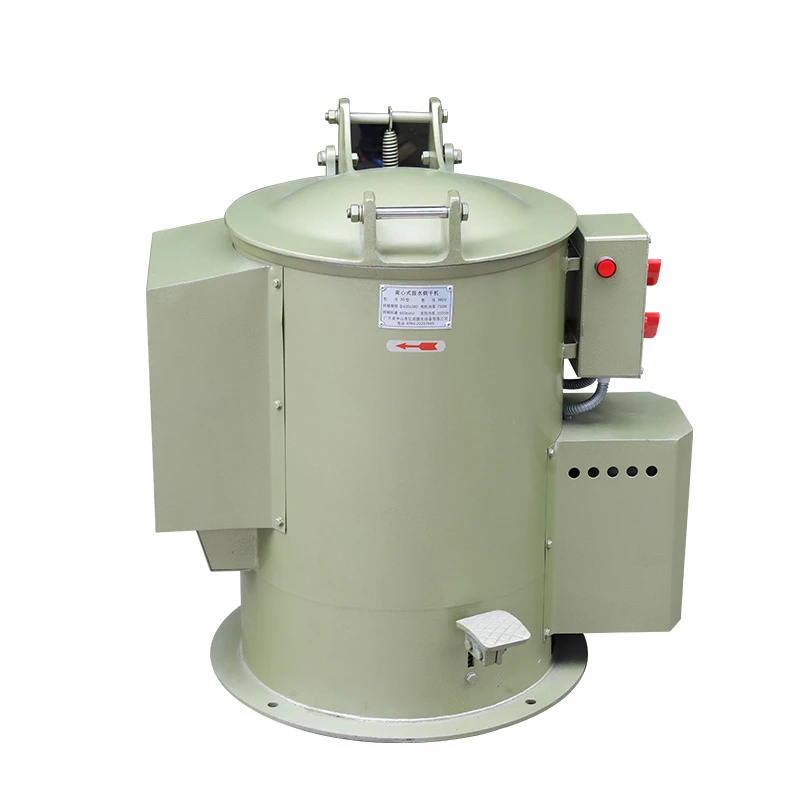
Now, quick refs for the folks who like to check the science behind this—all this is based on material testing we’ve done in-house, plus industry standards for tumbling media maintenance from finishing equipment groups. And hey, if you’ve got a cleaning trick that works for you, drop it in the comments! We’re always learning from our customers.
Magnetic Polishing Machine References:
- Industrial Finishing Society. Best Practices for Tumbling Media Maintenance, 2022.
- In-house material testing data for ceramic, plastic, and stainless steel tumbling media, 2020–2024.
- Plastics Industry Association. Care and Handling of Plastic Media for Finishing Applications, 2021.
KS Lab Finishing Co., Ltd.
As one of the most professional tumbling media manufacturers in China, we also support customized service. We warmly welcome you to wholesale durable tumbling media made in China here from our factory. If you have any enquiry about pricelist, please feel free to email us.
Address: No.11-14, Yantian Shuibei Commercial Street, Fenggang Town,Dongguan,China
E-mail: sales@kslabfinishing.com
WebSite: https://www.kslabfinishing.net/
