If you’re a manufacturer relying on CNC gear hobbing machines to produce precise gears for automotive, aerospace, or heavy equipment applications, you already know these machines are workhorses of your shop floor. But what many operators and even small maintenance teams miss is that consistent, proactive maintenance isn’t just about avoiding downtime—it’s about preserving the precision that makes your parts competitive. As a supplier who’s installed and serviced these machines across hundreds of workshops over the last 12 years, I’ve seen too many shops push their CNC hobbing machines past their limits, only to face costly breakdowns, out-of-spec gears, and weeks of lost production. Today, I’m breaking down exactly what maintenance your CNC gear hobbing machine needs, from daily checks to annual overhauls, to keep it running reliably for decades. CNC Gear Hobbing Machine

Let’s start with the most frequent mistake I see shops make: treating routine checks as afterthoughts. Too often, operators only run through a quick pre-production checklist that barely touches the machine’s core components, and that’s where problems start. Daily maintenance doesn’t have to take more than 15 minutes, but skipping it leads to premature wear that turns small issues into major repairs. First and foremost, check the cutting fluid system. CNC gear hobbing generates massive heat as the hob cuts through steel, aluminum, or alloy—if the cutting fluid is dirty, low, or contaminated, it can cause the hob to wear unevenly, leading to tapered teeth or surface defects on your gears. I recommend checking fluid levels before every shift, and topping off with the manufacturer-recommended coolant (never just tap water—this causes corrosion and bacterial growth that breaks down the fluid). Also, clear the fluid filter skimmer and chip collector after each production run: metal chips from cutting can clog the filter, reduce cooling efficiency, and even scratch the hob or workpiece if left to circulate. A quick visual check of the hob and workpiece spindle before locking in a setup is another daily must. Look for any visible chipping on the hob’s teeth (even a tiny chip can ruin a batch of gears), and make sure the spindle nut and workpiece clamp are tight. Loose components during hobbing will cause runout, which means your gears won’t mesh properly with mating parts—something you don’t catch until final assembly, leading to wasted materials and rework. Finally, wipe down the machine’s control panel and linear ways, and check for any coolant leaks around the gearbox or motor housings. Even a small leak can accumulate, seep into electrical connections, and cause a short circuit mid-production.
Moving to weekly maintenance, this is where you address parts that don’t need daily attention but are critical to long-term performance. The most important weekly task for CNC hobbing machines is lubrication. These machines have dozens of moving parts: the hob spindle bearings, workpiece arbor, linear guide rails, and gear drives, all of which rely on precise lubrication to avoid friction and wear. Skip weekly lubrication, and you’ll notice your machine’s axis movements start to feel sluggish within a month. I always advise shops to use the exact lubricant specified in the machine’s manual—some spindles need synthetic gear oil, while linear rails require a high-viscosity grease. Never mix lubricants; using the wrong one can break down seals, leading to leaks and bearing damage. Alongside lubrication, inspect the machine’s axis drive belts and chain drives. These components transfer power from the motors to the spindles, and over time, they stretch, develop cracks, or slip. A slipping belt will cause inconsistent feed rates, resulting in uneven gear tooth profiles. To check, run a test move on the X and Y axes (the hob’s horizontal and vertical movement), and listen for squeaking or grinding noises. If the belts feel loose, adjust the tension according to the manual, and replace them if there are visible cracks on the rubber surface. Another weekly step is calibrating the machine’s encoder and axis positioning. Even a small shift in positioning—less than 0.01 millimeters—can throw off gear pitch, leading to gears that won’t mesh correctly. I recommend running a simple calibration test on a test workpiece each week: cut a sample spur gear, then use a gear comparator to check tooth pitch and runout. If the numbers are off, adjust the axis offsets in the control panel instead of waiting for a major calibration. Finally, clean the machine’s air filter. CNC gear hobbing machines rely on compressed air to cool the cutting area and blow chips out of the work zone, but a clogged air filter reduces airflow, leading to higher cutting temperatures and hob wear. A quick visual check—if the filter looks gray or caked with chips, replace it.
Monthly maintenance is where you dive a little deeper, addressing components that have longer wear cycles but directly impact precision. The first big monthly task is inspecting the hob and workpiece spindle bearings. These bearings support the heavy loads of hobbing, and even minor wear can cause vibration that ruins gear precision. To check, run the spindle at 50% speed and listen for any unusual noise—grinding, humming, or uneven rotation is a sign of bearing wear. Also, check the spindle’s runout: use a dial indicator to measure deviation at the tip of the hob, and compare it to the manufacturer’s specifications. If runout exceeds 0.02 millimeters, the bearings need adjustment or replacement. Next, inspect the machine’s electrical connections, especially around the control cabinet, drive motors, and limit switches. Vibration from daily operation can loosen terminals, leading to intermittent errors or even unexpected shutdowns mid-production. I also recommend testing the emergency stop button and safety interlocks at least once a month—these are not just safety features, they prevent catastrophic damage if a jam occurs during hobbing. Finally, check the chip conveyor. CNC gear hobbing produces a lot of metal chips, and a clogged conveyor can cause chips to back up into the work zone, scratching the hob or workpiece. Clear any chips from the conveyor chain, and lubricate the conveyor’s drive sprockets to prevent slipping.
Quarterly maintenance is about system checks that keep the machine running efficiently over time, and it’s also a good time to plan for upcoming production schedules. The most critical quarterly task is testing the cutting fluid’s pH and concentration. Over time, cutting fluid breaks down, becoming too acidic or contaminated, which can cause corrosion on the hob and machine components, as well as poor surface finish on gears. Most modern machines have built-in sensors to monitor this, but even so, I recommend sending a fluid sample to a specialty supplier for testing every quarter. If the pH is below 8 (ideal range is 8.5-9.5), add a neutralizing agent; if concentration is too low, top off with fresh coolant. Next, inspect the machine’s gearbox oil. The gearbox transfers power from the main motor to the hob spindle, and its oil degrades over time due to heat and contamination. Drain and replace the oil every quarter if the machine is running 24/7, or every six months if it’s operating on a single shift. Finally, check the workpiece clamping system. Loose clamps or worn jaws can cause workpiece movement during hobbing, leading to inaccurate gears. Test the clamping force on a test workpiece, and replace any worn jaws that have lost their grip.
Annual maintenance is the overhaul that keeps your CNC gear hobbing machine running for 10+ years, and it’s worth every penny to avoid costly replacements. The first step in an annual service is disassembling and inspecting the hob spindle and workpiece spindle. Clean the bearings, check for wear, and replace any that show pitting or scoring. Also, inspect the spindle’s seals—worn seals are the most common cause of fluid leaks, so replace them even if they look slightly damaged. Next, calibrate the entire machine’s coordinate system, including the main spindle, X and Y axes, and hob index. This is not just a basic calibration; it’s a full precision check where we use laser alignment tools to ensure axis alignment is within 0.005 millimeters, which is critical for high-precision gears like those used in aerospace. I also recommend replacing all worn seals on linear rails, guides, and hydraulic components. Seals degrade over time, leading to leaks that can damage bearings and motors. Finally, do a full electrical inspection: test all drive motors for output, check for frayed wiring, and update the machine’s control software to the latest version (most suppliers offer free software updates for active machines, which include bug fixes and performance improvements).
A common question I get from shops is, “Can I skip some of this maintenance to save time or money?” My answer is always no. I’ve seen a shop that skipped a year of spindle bearing checks, leading to $12,000 in repairs and two weeks of downtime when a bearing seized mid-production. Another shop ignored cutting fluid maintenance, resulting in a batch of 50 high-precision gears being scrapped, costing over $8,000 in materials and labor. The truth is, proactive maintenance costs a fraction of the price of unplanned repairs. A 15-minute daily check takes less time than troubleshooting a spindle breakdown, and a $200 annual oil change is nothing compared to a $10,000 spindle replacement.
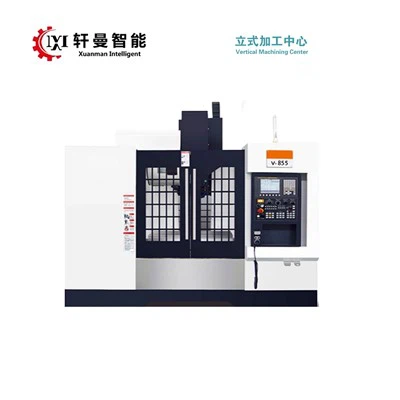
Now, I know many shops handle their own maintenance, but if you’re short on time, lack specialized tools, or need to ensure your machine meets precision requirements for critical industries, working with a trained CNC gear hobbing machine service team is the best move. We don’t just do repairs—we have years of experience calibrating, lubricating, and troubleshooting these machines, and we can spot small issues before they become big problems. If you’re looking to optimize your gear hobbing operation, extend the life of your machine, or just want to make sure your gears are as precise as possible, let’s connect to discuss your specific needs. We can walk you through tailored maintenance plans, offer on-site service, and answer any questions you have about keeping your CNC gear hobbing machine running at peak performance.
Turn Mill Center References
- Machinery’s Handbook, 31st Edition, Industrial Press, 2020
- "CNC Gear Hobbing Machine Maintenance Best Practices," American Gear Manufacturers Association (AGMA) Technical Paper, 2022
- Maintenance Guidelines for CNC Machine Tools, Association for Manufacturing Technology (AMT), 2021
- "Cutting Fluid Management for Precision Machining," Society of Manufacturing Engineers (SME) Guide, 2019
Jiangsu Xuanman Intelligent Equipment Co., Ltd.
We’re well-known as one of the leading CNC gear hobbing machine manufacturers in China, featured by quality products and low price. Please rest assured to buy discount CNC gear hobbing machine made in China here from our factory. We also accept customized orders.
Address: No. 1-1, Weier Road, Jieji Equipment Manufacturing Industrial Park, Sihong County, Suqian City, Jiangsu Province, China
E-mail: jsxmzn@163.com
WebSite: https://www.xm-cnc.com/
