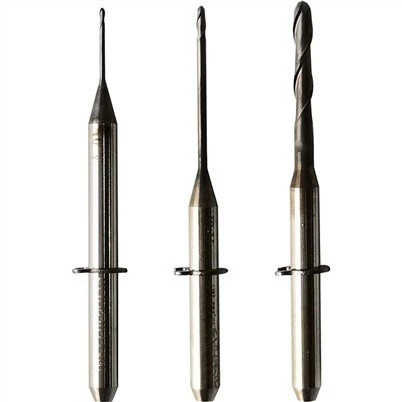
Milling burs are essential tools in various industries, especially in dentistry and manufacturing. They come in two main types: surgical and non – surgical. As a milling burs supplier, I’ve seen firsthand the differences between these two types and how they impact the end – users. In this blog, I’ll delve into the key differences between surgical and non – surgical milling burs to help you make an informed decision when it comes to your tool selection. Milling Burs
Design and Structure
The design and structure of surgical and non – surgical milling burs are tailored to their specific applications.
Surgical milling burs are typically designed for precision work in medical and dental surgical procedures. They are often smaller in size, with a more delicate tip. This is because they need to operate in confined spaces within the human body, such as the oral cavity or small anatomical structures. The shanks of surgical burs are also designed to be compatible with surgical handpieces, which are usually high – speed and require a secure connection to ensure accurate and safe operation. For example, in dental implant surgery, a surgical bur with a fine tip is used to create precise holes in the jawbone for implant placement.
On the other hand, non – surgical milling burs are more robust and are designed for general milling and shaping tasks. They are often larger in size and have a more aggressive cutting edge. Non – surgical burs are used in industries like manufacturing, where they are employed to mill materials such as metals, plastics, and ceramics. The shanks of non – surgical burs are designed to fit a variety of milling machines, which can operate at different speeds and power levels. For instance, in a metal – working shop, a non – surgical bur can be used to shape and smooth metal parts.
Material and Coating
The materials used to make surgical and non – surgical milling burs also differ, as do their coatings.
Surgical burs are usually made from high – quality materials such as stainless steel or tungsten carbide. Stainless steel is corrosion – resistant, which is crucial in a surgical environment where the burs need to be sterilized repeatedly. Tungsten carbide is extremely hard and wear – resistant, allowing surgical burs to maintain their cutting edge for a long time during surgical procedures. Additionally, surgical burs may have special coatings to reduce friction and heat generation. For example, a titanium nitride coating can make the bur surface smoother, which not only improves cutting efficiency but also reduces the risk of tissue damage during surgery.
Non – surgical burs are often made from a wider range of materials, depending on the application. For milling metals, burs may be made from high – speed steel or carbide. High – speed steel is relatively inexpensive and can withstand high – speed cutting, while carbide burs are more durable and can handle tougher materials. When milling plastics or ceramics, burs may be made from materials like diamond – coated steel. The coatings on non – surgical burs are also different. Some non – surgical burs have a coating to improve chip evacuation, which is important in high – volume milling operations.
Cutting Performance
The cutting performance of surgical and non – surgical milling burs varies significantly.
Surgical burs are designed for precision cutting with minimal damage to surrounding tissues. They have a lower cutting force and are optimized for smooth and accurate cuts. In dental surgery, for example, a surgical bur needs to cut through bone or tooth structure without causing excessive trauma to the adjacent soft tissues. The cutting edges of surgical burs are often finely ground to ensure a clean cut. The speed at which surgical burs operate is also carefully controlled to prevent overheating and tissue damage.
Non – surgical burs, in contrast, are focused on high – volume material removal. They have a higher cutting force and are designed to cut through materials quickly. In a manufacturing setting, a non – surgical bur can remove large amounts of material in a short period. The cutting edges of non – surgical burs are more aggressive, which allows them to penetrate and cut through tough materials. However, the precision of non – surgical burs may not be as high as that of surgical burs, as they are not designed for delicate work.
Application Areas
The application areas of surgical and non – surgical milling burs are distinct.
Surgical burs are mainly used in medical and dental fields. In dentistry, they are used for procedures such as tooth extraction, cavity preparation, and dental implant placement. In medical surgery, they can be used for bone resection, tumor removal, and other surgical operations. The use of surgical burs requires strict sterility and precision, as any error can have serious consequences for the patient.
Non – surgical burs are used in a wide range of industries, including manufacturing, jewelry making, and woodworking. In manufacturing, they are used for machining parts, creating molds, and finishing surfaces. In jewelry making, non – surgical burs are used to shape and polish precious metals and gemstones. In woodworking, they can be used to carve and shape wood.
Safety Considerations
Safety is a crucial aspect when using both surgical and non – surgical milling burs.
For surgical burs, strict sterilization procedures are required to prevent the spread of infections. Before each use, surgical burs need to be thoroughly cleaned and sterilized using methods such as autoclaving. Additionally, the use of surgical burs requires proper training and experience to ensure the safety of the patient. Surgeons need to be aware of the potential risks associated with using surgical burs, such as tissue damage and bleeding.
Non – surgical burs also have safety considerations. When using non – surgical burs in a manufacturing or workshop environment, operators need to wear appropriate personal protective equipment, such as safety glasses and gloves. The milling machines used with non – surgical burs need to be properly maintained to prevent malfunctions. Additionally, operators need to be trained on how to use the burs safely to avoid injuries.
Cost and Durability
The cost and durability of surgical and non – surgical milling burs are also different.
Surgical burs are generally more expensive than non – surgical burs. This is because they are made from high – quality materials and require strict manufacturing processes to ensure precision and sterility. However, surgical burs are often more durable in the long run, as they are designed to withstand repeated sterilization and use in surgical procedures.
Non – surgical burs can vary in cost depending on the material and application. High – end non – surgical burs made from carbide or with special coatings can be relatively expensive, while basic non – surgical burs made from high – speed steel are more affordable. The durability of non – surgical burs depends on the frequency of use and the materials being milled. In general, non – surgical burs may need to be replaced more frequently than surgical burs, especially when used in high – volume milling operations.
Conclusion
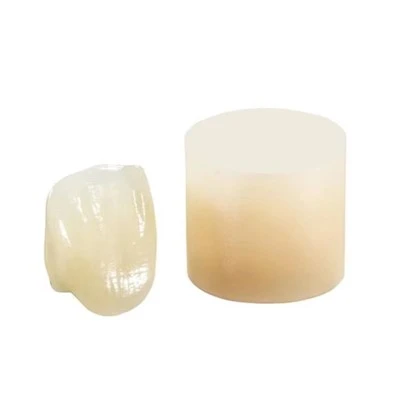
In conclusion, surgical and non – surgical milling burs have significant differences in design, material, cutting performance, application areas, safety considerations, and cost. As a milling burs supplier, I understand the importance of providing the right type of burs for different applications. Whether you are a surgeon in need of precision surgical burs or a manufacturer looking for high – performance non – surgical burs, I can offer a wide range of options to meet your needs.
Lab Consumable If you are interested in purchasing milling burs, I encourage you to reach out to me to discuss your specific requirements. I can provide you with detailed information about our products, including their features, benefits, and pricing. Let’s work together to find the perfect milling burs for your operations.
References
- Dental Materials and Devices: A Compendium for Practitioners. American Dental Association.
- Manufacturing Processes for Engineering Materials. Serope Kalpakjian and Steven Schmid.
- Surgical Instrumentation: Principles and Practice. Various authors.
Yilink (Tianjin) Biotechnology Co., Ltd.
Yilink (Tianjin) Biotechnology Co., Ltd. is one of the most professional milling burs manufacturers and suppliers in China, also supports customized service. Welcome to buy discount milling burs in stock here and get pricelist from our factory. Quality products and low price are available.
Address: No. 9, Kaituo Road, Balitai Town, Jinnan District, Tianjin
E-mail: service@yilink-dental.com
WebSite: https://www.yilinkzirconia.com/
