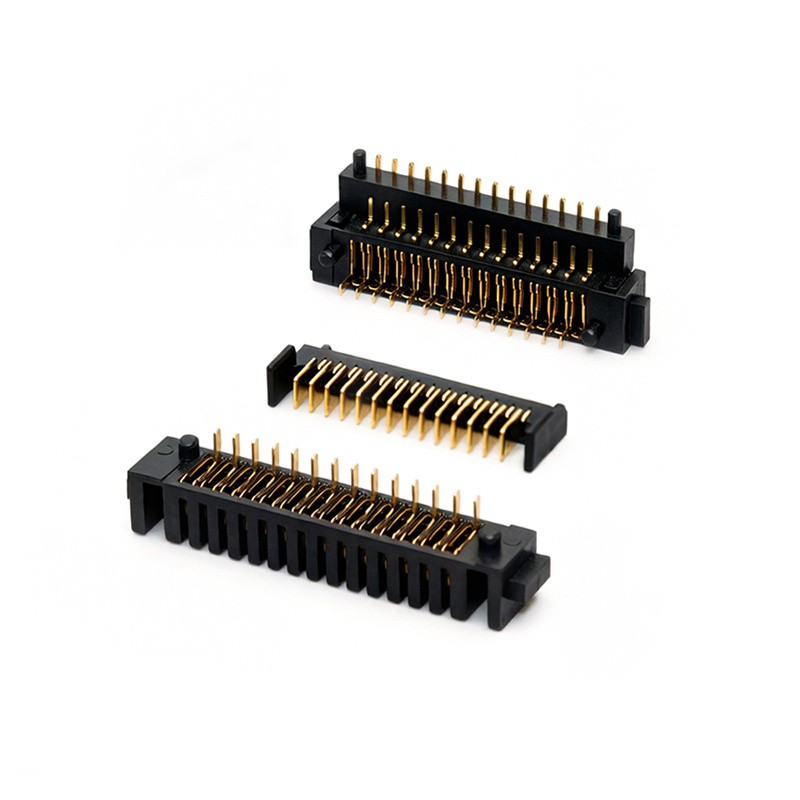
Automotive connectors play a crucial role in the seamless operation of modern vehicles. As an automotive connector supplier, I’ve witnessed firsthand the significant impact of different transmission types on connector design and function. In this blog post, I’ll delve into the key differences between automotive connectors for various transmission types, helping you understand the unique requirements and features of each. Automotive Connector
1. Understanding Transmission Types in Automobiles
Before exploring the differences in connectors, it’s essential to understand the main transmission types in automobiles: manual, automatic, and electric (which includes hybrid and fully electric vehicles).
Manual Transmission: Manual transmissions rely on the driver to shift gears using a clutch pedal and gear stick. They are relatively simple in terms of electronic control, with fewer electrical components involved compared to automatic transmissions.
Automatic Transmission: Automatic transmissions use a complex system of sensors, solenoids, and control modules to automatically shift gears. These systems require precise electrical connections to ensure smooth gear shifts and optimal performance.
Electric Transmission: Electric vehicles (EVs) and hybrid electric vehicles (HEVs) use electric motors and batteries for propulsion. These systems operate at high voltages and currents, placing unique demands on connectors in terms of insulation, current – carrying capacity, and thermal management.
2. Differences in Electrical Requirements
Manual Transmission Connectors
Manual transmissions typically have fewer electrical components, so the connectors used are relatively simple. They are mainly used for connecting sensors such as the clutch position sensor or the gear position sensor. These connectors are designed to handle low to moderate electrical currents and voltages, usually in the range of a few volts to 12 volts.
The number of pins on manual transmission connectors is generally small, often ranging from 2 – 6 pins. The connector materials are chosen for their durability and resistance to environmental factors such as moisture, oil, and vibration. Common materials include plastic for the housing and copper or brass for the contact pins.
Automatic Transmission Connectors
Automatic transmissions require a more elaborate electrical system to control the various solenoids and sensors. The connectors used in automatic transmissions are designed to handle a wider range of electrical signals, including high – frequency signals for shift control.
The current and voltage requirements for automatic transmission connectors are also higher compared to manual transmissions. These connectors may need to handle up to 24 volts or more, depending on the vehicle’s electrical system. The number of pins on automatic transmission connectors can be significantly larger, sometimes exceeding 20 pins, to accommodate the multiple sensors and actuators involved in the system.
In addition, automatic transmission connectors are often equipped with shielding to protect against electromagnetic interference (EMI). This is crucial because the high – frequency signals used in shift control can be easily disrupted by external electromagnetic fields.
Electric Transmission Connectors
Electric vehicles and hybrids pose the most demanding electrical requirements for connectors. The high – voltage systems in EVs and HEVs typically operate at voltages ranging from 200 volts to over 800 volts. Connectors in these systems must be designed to handle extremely high currents, sometimes exceeding several hundred amperes.
Insulation is a critical factor in electric transmission connectors. Specialized insulating materials are used to prevent electrical arcing and short circuits, which could have catastrophic consequences in a high – voltage system. The connectors also need to have excellent thermal management properties to dissipate the heat generated by the high – current flow.
Moreover, electric transmission connectors often feature built – in safety mechanisms, such as locking mechanisms to prevent accidental disconnection and interlocks to ensure that the electrical circuit is disconnected before the connector is opened.
3. Differences in Mechanical Design
Manual Transmission Connectors
Manual transmission connectors are designed to be relatively compact and robust. They need to withstand the mechanical stresses associated with vehicle operation, such as vibration and shock. The mating mechanism of these connectors is usually a simple push – lock or snap – on design, which allows for easy installation and removal during maintenance or repair.
The size of manual transmission connectors is relatively small, which is suitable for the limited space available in the transmission area. They are often mounted directly on the transmission housing or on nearby components.
Automatic Transmission Connectors
Automatic transmission connectors are more complex in terms of mechanical design. They need to provide a secure and reliable connection in a high – vibration environment, while also allowing for easy access during maintenance. Many automatic transmission connectors use a twist – lock or bayonet – style mating mechanism to ensure a tight and secure fit.
The housing of automatic transmission connectors is often designed with additional features such as seals and gaskets to prevent the ingress of oil and moisture. This is important because any contamination can cause electrical problems and reduce the lifespan of the connector.
Electric Transmission Connectors
Electric transmission connectors are designed to be even more robust and reliable due to the high – voltage and high – current nature of the systems they serve. They are typically larger in size compared to manual and automatic transmission connectors to accommodate the larger contact pins and insulation materials.
The mating mechanism of electric transmission connectors is often a more sophisticated design, such as a multi – step locking mechanism that ensures a secure connection under all operating conditions. These connectors also often have a protective cover or boot to prevent accidental contact with the high – voltage terminals.
4. Differences in Environmental Resistance
Manual Transmission Connectors
Manual transmission connectors need to resist the typical automotive environment, including exposure to oil, water, and dust. They are usually made from materials with good chemical resistance, such as polyamide plastics. These materials can withstand the corrosive effects of oil and coolant, ensuring the long – term reliability of the connector.
The sealing of manual transmission connectors is also important to prevent the ingress of moisture, which can cause corrosion and electrical failures. Most manual transmission connectors are equipped with rubber seals or gaskets to provide a waterproof barrier.
Automatic Transmission Connectors
Automatic transmission connectors face similar environmental challenges as manual transmission connectors, but the requirements for environmental resistance are often more stringent. The complex electrical systems in automatic transmissions are more sensitive to contamination, so the connectors need to provide better protection against oil, water, and dust.
In addition to chemical resistance, automatic transmission connectors also need to resist the high – temperature environment inside the transmission. Specialized heat – resistant materials are used in the housing and insulation to ensure that the connector can operate reliably at elevated temperatures.
Electric Transmission Connectors
Electric transmission connectors are exposed to some of the most extreme environmental conditions in the vehicle. In addition to the same challenges faced by manual and automatic transmission connectors, electric transmission connectors need to withstand the high – voltage stress and the potential for electrical arcing.
The insulation materials used in electric transmission connectors are designed to have excellent dielectric properties, even in the presence of moisture and contaminants. The connectors are also often sealed to prevent the ingress of oxygen and moisture, which can cause degradation of the insulation over time.
5. Importance of Choosing the Right Connector
As an automotive connector supplier, I cannot emphasize enough the importance of choosing the right connector for the specific transmission type. Using the wrong connector can lead to a variety of problems, including electrical failures, poor performance, and even safety hazards.
For example, using a connector with insufficient current – carrying capacity in an electric vehicle can cause overheating and damage to the connector and the electrical system. Similarly, using a connector without proper shielding in an automatic transmission can result in electromagnetic interference and erratic shift control.
By understanding the differences between automotive connectors for different transmission types, automotive manufacturers and suppliers can make informed decisions when selecting connectors. This ensures the reliability, performance, and safety of the vehicle’s transmission system.
Conclusion and Call to Action
In conclusion, automotive connectors for different transmission types have significant differences in electrical requirements, mechanical design, and environmental resistance. As an experienced automotive connector supplier, I am committed to providing high – quality connectors that meet the unique needs of each transmission type.
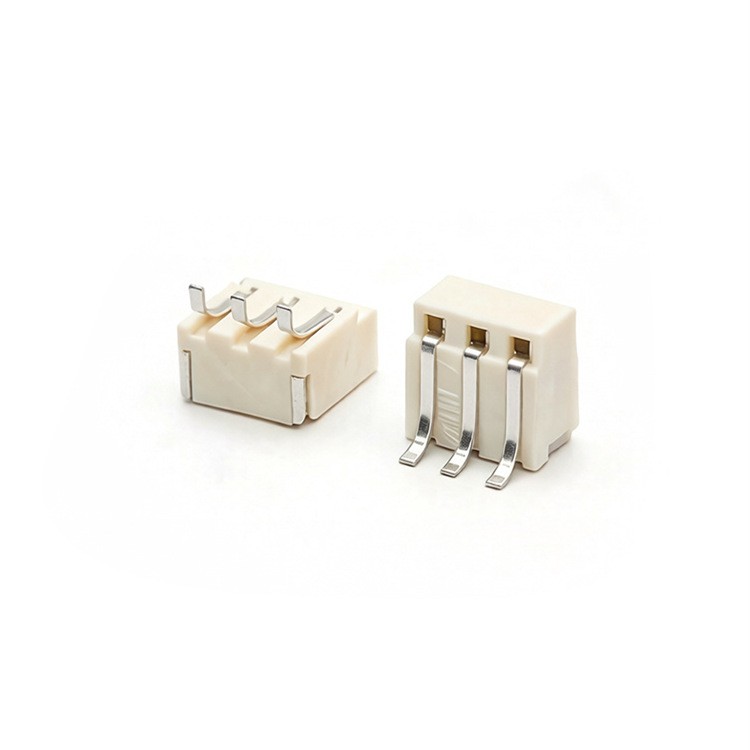
Board-to-Board Connector If you are an automotive manufacturer, tier – 1 supplier, or involved in the automotive aftermarket, and you are in need of reliable automotive connectors for your specific application, I encourage you to reach out to me for more information. We can discuss your requirements in detail and find the best connector solutions for your projects. Whether you are working on manual, automatic, or electric transmission systems, I have the expertise and product range to meet your needs.
References
- "Automotive Electrical and Electronic Systems" by Elias Magneti Marelli
- "Fundamentals of Power Electronics" by Robert W. Erickson and Dragan Maksimovic
- SAE International standards related to automotive connectors and transmission systems
Wenzhou JKUN Connector Co., Ltd.
As one of the most professional automotive connector manufacturers and suppliers in China, we’re featured by quality products and low price. Please rest assured to wholesale bulk customized automotive connector from our factory. For quotation and free sample, contact us now.
Address: No.2667, Ningkang East Road, Yueqing City, Zhejiang Province, China
E-mail: sales@cnjkun.com
WebSite: https://www.jkunjcj.com/
