Hey there! As a supplier of TPE and TPR injection molding compounds, I’m often asked, "Can TPE and TPR injection molding compounds be colored easily?" Well, let’s dive right into it. TPE and TPR Injection Molding Compounds
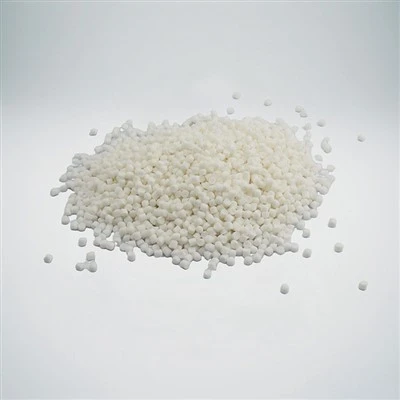
First off, let’s understand what TPE and TPR are. TPE stands for Thermoplastic Elastomer, and TPR stands for Thermoplastic Rubber. These materials are pretty cool because they combine the best of both worlds – the flexibility of rubber and the processability of thermoplastics. They’re used in a wide range of applications, from automotive parts to consumer products like toys, phone cases, and kitchen utensils.
Now, back to the question of coloring. The short answer is yes, TPE and TPR injection molding compounds can generally be colored easily. There are a few different methods to achieve this, and each has its own pros and cons.
One of the most common methods is using color masterbatches. A color masterbatch is a concentrated mixture of pigments or dyes that are dispersed in a carrier resin. When you’re molding TPE or TPR, you simply add the appropriate amount of color masterbatch to the base compound. The great thing about color masterbatches is that they’re super convenient. You can get a wide range of colors off – the – shelf, and they’re easy to mix in with the base material. Plus, they give you consistent color results. For example, if you’re making a batch of blue phone cases, you can ensure that all the cases have the same shade of blue by using a well – formulated color masterbatch.
Another advantage of using color masterbatches is that they’re cost – effective. You don’t have to buy pre – colored TPE or TPR compounds, which can be more expensive. Instead, you can use a standard, uncolored base compound and add the color masterbatch as needed. This is especially useful if you have a variety of color requirements for different products.
However, there are a few things to watch out for when using color masterbatches. The compatibility between the color masterbatch and the TPE or TPR base compound is crucial. If they’re not compatible, you might end up with issues like poor dispersion of the color, which can lead to uneven coloring or even surface defects on the molded part. Also, some color masterbatches may affect the physical properties of the TPE or TPR, such as its hardness or flexibility. So, it’s important to test the masterbatch with the base compound before starting a large production run.
Another way to color TPE and TPR injection molding compounds is through pre – coloring during the compounding process. This means that the pigments or dyes are added to the TPE or TPR when it’s being manufactured at the compounding stage. The advantage of pre – coloring is that it can result in a more homogeneous color distribution throughout the material. Since the color is added right at the beginning, it has a better chance of being evenly dispersed. This is especially important for applications where a high – quality, consistent color finish is required, like in high – end consumer products or automotive interior parts.
But pre – coloring also has its drawbacks. It’s less flexible compared to using color masterbatches. Once the compound is pre – colored, it’s locked in that color. So, if you change your mind about the color for a production order, you’ll have to scrap the pre – colored compound and start from scratch. This can be a waste of material and money. Additionally, pre – coloring can be more expensive, as it requires more specialized equipment and processes at the compounding plant.
In some cases, liquid colorants can also be used to color TPE and TPR injection molding compounds. Liquid colorants offer excellent dispersion and can provide a very smooth color finish. They’re also easy to handle and can be metered precisely into the molding process. However, they can be more prone to leakage and require special storage and handling conditions.
When it comes to meeting specific color requirements, TPE and TPR are quite versatile. You can achieve a wide range of colors, from bright and vivid hues to subtle pastels. You can also match pantone colors, which is crucial for brand – specific color branding. We’ve worked with many clients who needed to match their corporate colors for their products, and we’ve been able to achieve great results using the right combination of coloring methods.
Now, let’s talk about the impact of coloring on the performance of TPE and TPR. In general, if the coloring process is done correctly, it shouldn’t have a significant negative impact on the mechanical and physical properties of the material. However, as I mentioned earlier, some colorants or masterbatches may affect properties like hardness, tensile strength, and elongation at break. For example, some pigments may act as fillers and increase the hardness of the material slightly. But with proper testing and selection of colorants, these effects can be minimized.
We, as a supplier of TPE and TPR injection molding compounds, have a team of experts who can help you choose the right coloring method for your specific application. Whether you’re looking for a simple, cost – effective solution using color masterbatches or a high – quality, pre – colored compound for a premium product, we’ve got you covered.
We also offer technical support throughout the coloring process. If you’re having issues with color dispersion, color matching, or any other coloring – related problems, our team can provide guidance and solutions. We’ve got a lot of experience in the industry, and we’ve seen just about every coloring challenge out there.
In conclusion, TPE and TPR injection molding compounds can indeed be colored easily, but it requires some careful consideration. The choice of coloring method depends on factors like your budget, the required color consistency, the volume of production, and the end – use application of the product.
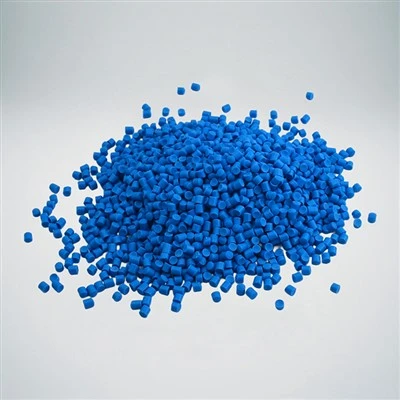
If you’re in the market for TPE and TPR injection molding compounds and need help with coloring, don’t hesitate to reach out. We’re here to assist you in getting the perfect colored compound for your products. Whether you’re a small – scale manufacturer or a large – scale production facility, we can work with you to meet your needs. Let’s start a conversation and see how we can help you take your products to the next level with the right color.
Building Wire Compounds References
- "Thermoplastic Elastomers: A Comprehensive Review", Polymer Science Journal, Volume 15, Issue 3
- "Coloring of Polymer Materials", Plastics Technology Magazine, December 2022
- "Application of TPE and TPR in Consumer Products", Manufacturing Innovation Review, 2023 Edition
Opta New Materials (Jiangsu) Co., Ltd.
As one of the most professional TPE and TPR injection molding compounds manufacturers and suppliers in China, we also support customized service. We warmly welcome you to buy bulk durable TPE and TPR injection molding compounds from our factory. If you have any enquiry about free sample, please feel free to email us.
Address: No.80, Jingang Avenue, Zhenjiang New Area, Zhenjiang City, Jiangsu Province, China.
E-mail: le.yin@optachem.com
WebSite: https://www.optanewmaterials.com/
