If you’ve ever glanced at a tactical uniform, a sports cap, or a custom laptop bag, chances are you’ve spotted a PVC patch. For years, people assume these patches are only basic shapes—circles, squares, or simple logos—but as a PVC patches supplier with over 12 years in the industry, I’m here to tell you the reality is far more creative. What shapes can PVC patches be made into, exactly? The short answer is almost anything, but the “almost” comes down to a mix of material science, production capabilities, and practical use cases. Let’s break down how this works, why certain shapes are more popular, and how we help clients turn their wildest ideas into durable, functional patches. PVC Patches
First, it helps to understand why PVC is such a versatile material for patches. Unlike embroidered patches, which rely on thread that can fray or fade, PVC is a soft, flexible thermoplastic that molds easily when heated, sets firmly (but still has a slight give to it), and resists water, UV rays, and rough treatment. That flexibility is key when shaping patches: it can be sharp and angular, or smooth and organic, without cracking like rigid plastic might. The production process for PVC patches also plays a big role in shape design. We use a closed-mold injection method, where liquid PVC is poured into a custom-made mold carved to the exact shape a client wants. The mold’s walls define every edge, curve, and detail, so even intricate shapes are possible—though there are small practical limits we’ve learned to work around over the years.
Let’s start with the most common shapes that clients reach for, because they balance aesthetics and functionality. For tactical teams—think military units, law enforcement K-9 handlers, or airsoft groups—sharp, precise angular shapes are top sellers. Triangles are a staple here: equilateral triangles for unit insignia, smaller right triangles as rank markers, or even triangular patches shaped like a spearhead for special ops teams. The angular edges stand out against dark tactical gear, making them easy to identify from a distance, and the rigid corners hold up well to the wear and tear of crawling, climbing, and brushing against equipment. Squares and rectangles are another big one, usually for text-heavy patches. A rectangular patch might list a team’s name, a slogan, or a uniform ID number, and the straight edges mean we can fit more text without cramming. We’ve even made custom rectangular patches for corporate teams that match a company’s brand color scheme, so they blend into polos or jacket sleeves without looking out of place. Circles are the third most popular basic shape, often used for logos or emblematic designs. A circular patch feels timeless—think a police department’s badge or a college’s sports team logo—and the smooth curve means there are no sharp edges to catch on gear, which is a bonus for people who move a lot.
But the really interesting shapes come from clients who want something that stands out, not just fits a standard category. We’ve made a lot of organic, nature-inspired shapes, for example. Leaves are a fan favorite: oak leaves for forestry companies, maple leaves for Canadian sports teams, or even small, detailed fern leaves for outdoor enthusiasts. What makes these work is the slightly raised border we add to each patch to define its shape—no two leaves look identical, but the mold captures every vein and curve, and the PVC holds up through repeated washing. We’ve also made animal shapes, from simple dog paw prints (super popular for K-9 units and pet accessories) to more complex designs like eagles, wolves, and even tiny bees for farmers’ market vendors. One of our most memorable custom animal patches was for a client who raises alpacas: they wanted a patch shaped like an alpaca’s head, with floppy ears and a tiny smile, and it’s been a hit on their farm hats and tote bags. The key here is that organic shapes need enough “structure” in the mold to avoid thin, flimsy spots. If a shape has a part that’s too narrow—like the tip of a leaf—we adjust the PVC thickness slightly there so it doesn’t tear when the patch is sewn or ironed on.
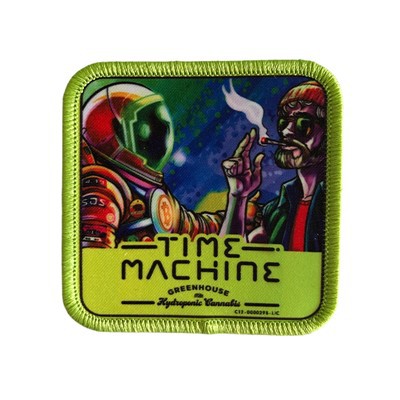
Then there are shapes that are tied directly to a client’s brand or niche, which is where the fun (and the variety) really takes off. For the gaming community, we’ve made patches shaped like video game controllers, character icons, and even small, wearable versions of legendary sword hilts from fantasy games. These are usually smaller, more delicate than tactical patches, so we use a softer grade of PVC to keep them flexible—no one wants a patch that digs into their shoulder while wearing a gaming hoodie. For the culinary industry, we’ve made patches shaped like chef’s knives, spatulas, and tiny pizza slices, worn on aprons and work uniforms. One local pizzeria even asked for a patch shaped like a pepperoni slice, with small raised dots to mimic pepperoni toppings, and it’s become a running gag among their staff—regulars often spot the patches and joke about “wearing your favorite pizza on your sleeve.”
We’ve also made some more abstract shapes, though they require a bit more collaboration with clients to get right. Abstract geometric shapes—like hexagons, octagons, or even custom polygons for engineering firms—are common, because they align with brand aesthetics or industry standards. We’ve had a tech startup ask for a patch shaped like a stylized circuit board, with tiny raised lines to mimic circuit traces; it’s been used on backpacks for team events and employee lanyards. Even more abstract, we once worked with a yoga studio that wanted a patch shaped like a lotus flower, but simplified into smooth, curved lines instead of multiple petals. That’s a good example of how we work with clients: if their initial design is too detailed or has parts that would be too thin to hold, we adjust it to keep the core idea intact while making it a functional patch.
Of course, it’s not just about what shapes are possible—it’s about what shapes work for the end use. That’s why as a supplier, we always ask clients two questions before we even touch a mold: Where will this patch be worn, and what will it go through? A patch for a military helmet needs to be tough, with thick edges and a shape that doesn’t catch on gear during training. A patch for a baby’s bib, on the other hand, needs to be smaller, with rounded edges and a soft PVC that doesn’t irritate skin. We once had a client reach out asking for a patch shaped like a soccer ball for a kid’s soccer team—they initially wanted the classic hex and pentagon pattern, but the small spaces between the shapes would have been too easy to tear. We adjusted it to a simplified soccer ball shape, with smooth curves instead of sharp edges, and the patches held up all season, even when the kids dragged their uniforms through grass and mud.
Another factor that shapes the final design is how the patch is attached. Most PVC patches are sewn onto fabric, but some are iron-on, hook-and-loop (Velcro), or adhesive-backed. For iron-on patches, the shape needs to be smooth enough that the iron can heat it evenly—no tiny, narrow parts that might melt or warp. For hook-and-loop patches, which are super popular for tactical gear and backpacks, the shape needs to be flat enough to attach to the loop side without curling. We’ve had clients who wanted a complex shape, like a small motorcycle helmet, to be hook-and-loop, so we make sure the base is thick enough to stay flat, even after being peeled off and reattached multiple times.
I know what some people are thinking: can you really make any shape? We’ve turned in sketches of constellations, small model rocket ships, even tiny guitar picks (shaped like guitar picks, of course). But there are a few limits we always communicate to clients, to avoid disappointment. First, if a shape has a part that’s thinner than 1mm, it’s likely to break easily—we can adjust that by thickening the area without ruining the design. Second, shapes with undercuts (like a patch that has a design curving inward, so the mold can’t pull it apart) need to be simplified a bit; we might add a small notch or adjust the curve so the mold can release the patch cleanly. Finally, very large shapes (bigger than 12 inches) can get heavy if they’re thick PVC, so we often suggest a thinner, more flexible PVC blend for those, to keep them comfortable when worn.
Over the years, we’ve seen trends in shape design change, but the core request stays the same: clients want a patch that represents their identity, whether that’s a team, a hobby, a business, or a personal milestone. We’ve made patches for wedding parties shaped like wedding rings, for runners shaped like running shoes, and even for pet owners shaped like their dog’s breed. Each one starts with a rough idea, often a sketch or a photo the client sends, and we work with them to turn that into a shape that’s not only visually accurate but also durable enough to last.
If you have an idea for a PVC patch—whether it’s a simple shape, a complex design, or something in between—we can help bring it to life. Our team has the experience to tweak designs to work with production, source the right PVC blend for your use case, and deliver patches that look exactly like you envisioned. Whether you’re a small business owner looking for custom uniform patches, a team leader wanting a unique insignia, or just someone who wants a personal patch for their gear, we’re here to help. Reach out to start a conversation about your project, and let’s figure out the perfect shape for your PVC patches.
Chenille Patches References:
- "PVC Thermoplastic Properties & Applications," Society of Plastics Engineers, 2022.
- "Custom Patch Manufacturing: Design Considerations for Durability," Industrial Designers Society of America, 2021.
- "Tactical Gear Insignia: Material Performance in Extreme Conditions," Journal of Protective Clothing and Equipment, 2023.
- "Consumer Trends in Custom Apparel Accessories," National Retail Federation, 2022.
Kaishen Garment Accessory Co., Ltd.
As one of the most professional pvc patches manufacturers and suppliers in China, we’re featured by quality products and low price. Please rest assured to wholesale bulk cheap pvc patches from our factory. Contact us for customized service and free sample.
Address: No.1, Yangguang Road, Shanwu Village, Shijie Town, Dongguan City, Guangdong Province
E-mail: patch@shiujan.com
WebSite: https://www.kspatch.com/
