Hey there, fellow gardeners and tool hoarders! Let’s be real for a second—we’ve all been there: staring at a messy jumble of trowels, pruners, seed trays, and that weird little tool we bought on a whim last year that we still haven’t figured out how to use, wondering where the heck to store it. Recently, I’ve gotten so many DMs and messages from people asking me, “Dude, can I actually use an acrylic box for storing gardening tools?” And since I’m an acrylic box supplier (full transparency here—no sugarcoating), I’m gonna break this down like I’m chatting with a buddy over a iced coffee, no jargon, no fluff. Acrylic Box

First off, let’s get the basics out of the way: acrylic, that lightweight, shatter-resistant plastic stuff, is basically a workhorse. It’s not the wimpy glass you’ll panic if you knock over, and way sturdier than flimsy plastic bins that crack after one season in the garage. But gardening tools have specific quirks—they’re exposed to dirt, moisture, rust, even occasional mud splatters. So is acrylic gonna hold up? Short answer: yes, if you use the right box, and no, if you grab a random craft acrylic box you got for a $1.99 at a dollar store. Let’s dive into why, because there’s way more to it than just “it’s plastic, it works.”
Let’s start with what makes acrylic a good fit. First, it’s moisture-resistant. Wait, hold on—before you go “but my tools get wet after watering,” hear me out. Wood storage chests warp, right? Metal bins rust if you leave them in a damp shed. Acrylic? It doesn’t absorb water. Even if you spill a watering can full of water on it, or keep it in a semi-damp garage, the acrylic box won’t soak up that moisture and make the inside of the bin a breeding ground for mold on your tool handles. That’s a huge win for wooden-handled tools, by the way—mold and mildew on wood handles makes them sticky, smelly, and way more likely to crack over time. I’ve seen so many gardeners throw out perfectly good trowels just because their wooden handles got moldy from storing in a damp wooden bin.
Then there’s visibility. Oh my god, the visibility! How many times have you dug through a dark bin for 10 minutes just to find a pair of pruning shears? You never have that problem with a clear acrylic box. You can see exactly where your hand pruners are, or your small hand rake, without tearing the whole thing apart. That’s not just a convenience—it saves time, especially when you’re in a hurry to get outside before the rain stops. We’ve all been there, rushing, tripping over bins, wasting 5 minutes we don’t have. Clear acrylic eliminates that.
It’s also lightweight. If you’re moving your storage bin from the garage to the patio, or stacking them on a shelf, you don’t want a heavy metal bin that’ll hurt your back. Acrylic is like half the weight of a metal bin of the same size. That’s a big plus for anyone who doesn’t have a ton of strength, or who rearranges their garden space a lot through the seasons.
But wait—let’s be real, it’s not all perfect. There are some gotchas with acrylic boxes and gardening tools, and I don’t want to lie and say it’s the end-all-be-all. First, it can scratch easy. If you have metal tools with sharp edges (like those heavy-duty pruning shears with serrated blades), they’ll scratch the acrylic if you’re shoving them in too hard. Scratches aren’t a huge structural problem, but they can make the box look cloudy over time, and dust or dirt gets stuck in those scratches, making it way harder to keep clean. Pro tip here: if you’re using acrylic for tools with sharp blades, line the bottom of the box with a soft towel or a small tray to separate the blades from the acrylic. That solves the scratching issue right there.
Second, acrylic can get brittle in super cold temperatures. If you live in a place where your garage drops below freezing in winter, a cheap, thin acrylic box might crack if you drop it, or if a tool hits it hard. That’s why I recommend thicker-gauge acrylic boxes for gardening use—something at least 5mm thick, not the 2mm thin stuff you use for craft supplies. It’s a little more expensive up front, but it’ll last way longer, even in chilly climates. I’ve had customers tell me their cheap acrylic bins cracked after one cold winter, but the thicker ones I supply are still going strong 3 years later.
Third, what about rust? Metal tools, like shovels or trowels, can rust if they’re left damp. Wait, earlier I said acrylic doesn’t absorb water—but it does hold moisture if it’s trapped. If you put a tool that’s still wet (say, you just used it to dig in damp soil, and didn’t wipe it off) into a sealed acrylic box, that moisture can’t escape, so the metal part will rust over time. That’s not acrylic’s fault, that’s user error! The fix is simple: always wipe your metal tools dry before storing them in the acrylic box, and leave the lid cracked a little bit (most good acrylic boxes have vents, or you can leave a gap) to let air circulate. I always tell my customers that a little airflow is key to preventing rust, no matter what storage bin you use.
Now, let’s talk about specific gardening tools and which acrylic boxes work best for them, because not all tools are the same. If you’re storing small hand tools—trowels, hand rakes, pruning snips, seed tags, even small pots—a small, lidded acrylic box is perfect. You can get ones with dividers, so you don’t have your pruners mixed up with your seed dibbers. I have a customer who uses a medium acrylic box with dividers just for her herb garden tools, and she says it’s way easier than the messy basket she used before. For larger tools, like shovels, hoes, or lawn tools, you can get a larger, open-top acrylic bin (no lid) so you can fit the big handles. The open top is great because air can circulate freely, so no moisture gets trapped around those big metal blades. Just make sure the bin is sturdy enough to hold the weight—thicker acrylic again is the move here.
What about outdoor use, like storing acrylic boxes on a patio or under a covered porch? Can they handle that? Yep, as long as you get UV-stabilized acrylic. Regular acrylic will get yellowed and brittle if left in direct sunlight for months. UV-stabilized acrylic is treated to resist sun damage, so it won’t turn yellow or crack after a summer of being outside. That’s a must-have if you’re storing your tools outdoors, not just in the garage. I can’t tell you how many customers have bought cheap, non-UV acrylic boxes to put on their patio, and they’re all foggy and yellow by August. Don’t make that mistake.
Now, let’s address a common myth: acrylic is too expensive. Yeah, a good acrylic box is more expensive than a flimsy plastic bin from the dollar store, but think about the long run. A $1 dollar bin will crack in a season, warp, and you’ll have to replace it. A good acrylic box from a reputable supplier? It’ll last 5+ years, even with regular use. Plus, it’s easier to clean—just wipe it down with a damp cloth, no scrubbing like you do with plastic bins that get stained with dirt. That saves you time and money in the long haul.
I also get asked a lot, “Can I stack acrylic boxes?” Absolutely, as long as they’re designed to stack. Look for boxes with reinforced corners or tabs that lock into each other, so they don’t slide off the shelf. That’s perfect if you’re short on space, like in a small garage or a balcony garden where you don’t have floor space. I have a customer who stacks 3 small acrylic boxes on her balcony shelf for her succulent tools, and it’s game-changing for her tiny space.
Wait, let’s circle back to that original question: can you use an acrylic box for storing gardening tools? The answer is a resounding yes—if you pick the right box, and use it the right way. It’s not a one-size-fits-all, but compared to other storage options (wood, metal, cheap plastic), it’s actually one of the best for gardening tools. It’s lightweight, moisture-resistant, keeps things visible, and doesn’t warp or mold like wood. The only downsides are easy to avoid with a little common sense (thicker acrylic, UV-stabilized if outside, wipe tools dry, airflow).
If you’re thinking about making the switch from your messy, moldy wooden bin or rusty metal tub, I’d encourage you to give acrylic a shot. I’ve had so many customers come back and tell me it’s the best storage purchase they’ve made all year. No more digging through junk to find their tools, no more moldy handles, no more rust on their pruners. It just works.
Before I wrap this up, a quick note: if you’re in the market for acrylic boxes for your gardening tools, make sure you’re getting ones that are made for this kind of use, not just craft acrylic. A lot of places sell craft acrylic boxes that are way too thin and not UV-stabilized. And if you have questions about what size or thickness is right for your tools, feel free to reach out to the right people (nudge nudge, that’s me and my team) to chat through what you need. We can help you pick the perfect box, whether you’re storing a handful of small hand tools or a full set of large garden tools. No pressure, just honest advice.
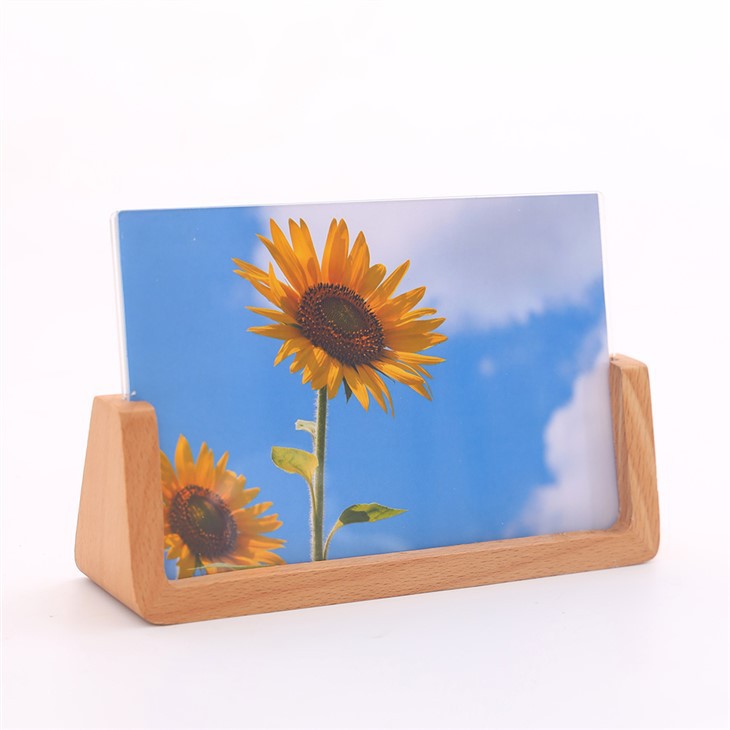
Don’t let messy, damaged tools ruin your gardening season. A good acrylic storage box is a small investment that saves you time, protects your tools, and keeps your garden space organized. It’s 100% worth it.
Pokemon Acrylic Case References
- American Society for Testing and Materials (ASTM). Standard Specification for Acrylic Sheet. 2022.
- University of California Agriculture and Natural Resources (UC ANR). Tool Storage and Maintenance for Home Gardeners. 2021.
- Plastic Industry Association. Properties and Applications of UV-Stabilized Acrylic. 2020.
- The Spruce. Gardening Tool Storage Solutions: Pros and Cons of Different Materials. 2023.
Wenzhou Daoqin Crafts Co., Ltd.
With abundant experience, we are one of the most professional acrylic box manufacturers and suppliers in China. Please rest assured to wholesale bulk customized acrylic box from our factory. If you have any enquiry about quotation and free sample, please feel free to email us.
Address: Room 401, Building 5, Wanyang Innovation City, No. 9 Yangyu Road, Binhai New Area, Pingyang County, Wenzhou City, Zhejiang Province, China
E-mail: wzdaoqin@163.com
WebSite: https://www.wzacrylic.com/
