Hey folks, it’s Jake here—been running the white appliance production line supply game for 12 years now, and let me tell you, I’ve seen every single curveball you can throw at this industry. If you’re sitting here thinking about dropping a chunk of cash into a white appliance production line, like fr, there’s way more to it than just “making fridges and washing machines.” I’ve had clients come to me excited to pull the trigger, only to burn through 6 figures in 18 months ‘cause they missed a risk I’ve been warning people about for years. Today I’m laying out all the unglamorous, real risks you actually face here—no hype, no sales fluff, just the stuff I wish I knew when I first started. White Appliance Production Line
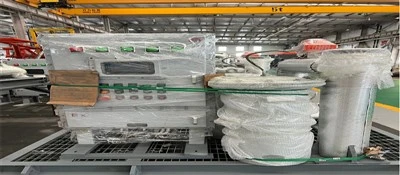
First up, let’s talk about the supply chain clusterfuck that’s been hanging over this sector since 2020, and it’s still not fixed, even if you don’t see it on the news every day. When you’re investing in a production line, you’re not just buying the big metal stamping machines or assembly stations—you need the tiny parts too: compressors for fridges, control boards for dryers, plastic door liners, even the screws that hold it all together. Back in 2021, one of my clients bought a 2-line production setup, only to find out their compressor supplier got tied up in a port backlog in Shanghai. They had two lines sitting idle for 3 MONTHS ‘cause they didn’t lock in dual suppliers. Now, I’m not saying dual suppliers are free—you might have to pay a little more upfront to secure a backup, but when your line’s not running, every day costs you thousands in lost output, not to mention penalties if you signed contracts with retailers. And it’s not just chips or compressors—last year, a client I advised tried sourcing a new plastic trim part from a random vendor in Mexico, and the material failed heat tests, so they had to scrap 2,000 units mid-production. Pro tip: If you’re investing in a line, don’t just rely on one supplier for every critical part. Lock in 2 or 3, even if it means a little extra paperwork at first.
Next, there’s regulatory and compliance shit that people seriously overlook. I once had a guy call me panicking at 2 a.m. ‘cause his brand-new production line was set up to make washing machines that didn’t meet the Energy Star rules for 2024 models. He’d bought the line in 2022, when the rules were still draft, and by the time he got his factory built, the EPA had finalized stricter efficiency standards. Suddenly, 80% of his line’s capacity was useless. Changing a production line to meet new efficiency standards isn’t cheap—we’re talking $50k to retool motors, adjust testing stations, retrain every single worker. And it’s not just Energy Star. There’s product safety rules too: in the EU, you need CE marking for any appliance sold there, and those rules change every few years. I had another client who was exporting to the UK post-Brexit, and they didn’t realize the UK had updated their electrical safety standards in 2023, so a batch of dishwashers they made got held up at customs, costing them $120k in storage and rush fees to rework. The worst part? A lot of these regulatory changes happen faster than you can build a production facility. Before you sign on the dotted line for that line, spend a few grand on a regulatory consultant who specializes in white goods. They’ll tell you what’s coming down the pipeline in the next 3-5 years, so you don’t end up with a paperweight line.
Then there’s labor and skill gap risk, which I swear is underrated. Let’s be real—this isn’t like making T-shirts, where you can teach someone to sew in a week. Working a white appliance production line requires people who know how to calibrate stamping machines, test compressor connections, troubleshoot assembly line hiccups. When my first client in Texas opened their factory in 2019, they hired 30 line workers, half of whom had never worked on heavy industrial equipment. The line went down twice a week ‘cause no one knew how to fix the robot arms that do the fridge door seals. They ended up having to pay $200k to bring in a third-party maintenance team for 6 months just to get things stable. And it’s not just hiring—retention is a bitch too. If you’re in a small town, there might only be 2 or 3 people with the skills to run a production line, so once word gets out you’re paying $1 more an hour, they’ll leave you for another shop in 2 months. I always tell clients before they invest: scout the local labor pool first. Do a survey of how many skilled industrial workers are within a 50-mile radius. If it’s less than 50, you’re gonna have to either do in-house training (which takes 6+ months and costs a ton) or pay premium wages to keep people. Also, don’t forget about overtime—if your line is running 24/7 to hit demand, you’ll need extra people on nights and weekends, and that’s another whole layer of cost.
Now, let’s talk about demand volatility, which is probably the biggest risk of all. White appliances aren’t a “need” that people buy every month—most people replace their fridge every 10 years, their washer every 8. When the economy’s good, people splurge on stainless steel fridges with Wi-Fi, and demand skyrockets. When the economy’s bad, people fix their old ones instead of buying new, and suddenly your production line is making 500 units a month when you were geared for 2,000. I saw this hit hard in 2022, when inflation spiked and everyone stopped buying big-ticket items. A client of mine in Florida had a 3-line production setup that was running at 30% capacity for 8 months straight. They were still making loan payments on the line, so they lost $1.2 million that year. The thing is, most people look at the historical demand for white goods and think it’s steady, but it’s super cyclical—tied to interest rates, housing market sales, even consumer confidence. Before you invest, run a few different demand scenarios: what if housing sales drop 20% next year? What if steel prices go up 15% (wait, that’s another risk I almost forgot—commodity price volatility, which makes everything from steel for the fridge frame to copper for wiring more expensive. If you locked in a contract for your line but raw material prices jump, your profit margin gets eaten alive). Oh right, commodity risk is a close second. For example, in 2021, steel prices doubled in 6 months. A client I was working with had just ordered a production line and signed a deal to source steel for appliance frames at the old price, but their supplier couldn’t deliver ‘cause they were paying way more. So the client had to pay an extra $80k just to get the steel, which wiped out their first quarter profit. The fix here is hedging, but not everyone knows how to do that—work with a commodity broker who specializes in industrial metals to lock in prices for 12-18 months ahead, so you don’t get blindsided by spikes.
Another hidden risk is tech obsolescence. White appliances are getting smarter every year—now you have fridges that track your groceries, washers that connect to your phone to adjust cycles. If you buy a production line that’s set up for basic models, in 3 years it’ll be useless when retailers only want smart appliances. I had a client in Ohio who bought a used 10-year-old production line for $200k to save money. By the time he got it running, smart appliances were 60% of the US market, and his line couldn’t integrate the control boards needed for Wi-Fi. He had to spend $150k to upgrade the line, which ended up costing almost as much as a new line would have. When you’re looking at a production line, check how easy it is to retrofit. Can you swap out the assembly stations for smart features without ripping the whole thing out? If not, it’s gonna be obsolete in half the time you paid for it.
Wait, let’s not forget about quality control risks. If your line isn’t set up with proper testing stations, you might get a batch of faulty units that get returned, costing you way more than you think. Last year, a client of mine shipped 1,000 dishwashers that had a leaky seal, ‘cause their pressure testing machine was calibrated wrong. The retailer sent them all back, and they had to refund every dollar, plus pay for shipping both ways. That was $450k in losses, and it took 3 months to get the line back up to speed. Quality control isn’t an afterthought—it’s part of the production line investment. If you skimp on testing stations to save money, you’re setting yourself up for disaster with returns and brand damage, which is even worse in the long run.
And let’s be real—even after you weigh all these risks, there’s a point where you just have to pull the trigger, right? But the key is to not go in blind. I’ve seen too many guys come to me with a big idea, no backup plan, and they crash and burn. If you’re serious about investing in a white appliance production line, you need to do your homework: map out your supply chain, check the local labor pool, run those demand scenarios, talk to a regulatory expert, and work with a supplier (that’s me, by the way) who’ll be honest about the risks, not just sell you a line.
If you’re ready to stop guessing and start planning your production line investment, reach out to me to hash out the details. I’ll walk you through every step, show you case studies from past clients, and help you build a plan that accounts for all these risks so you don’t end up burning through cash. No pressure, just real talk from someone who’s been in this game for way too long.
Electro-Hydraulic Servo System Bibliography:
- U.S. Energy Information Administration. (2023). Industrial Supply Chain Resilience: Case Studies in Heavy Manufacturing.
- European Commission. (2024). CE Marking Requirements for White Goods: 2024 Update.
- Bureau of Labor Statistics. (2023). Occupational Employment and Wages for Industrial Machinery Mechanics.
- National Association of Home Builders. (2024). Housing Market Trends and White Appliance Demand.
- World Steel Association. (2022). Commodity Price Volatility in Industrial Manufacturing Sectors.
- U.S. Consumer Product Safety Commission. (2023). Product Return and Recall Costs for Major Appliances.
- McKinsey & Company. (2023). Smart Appliance Market Growth and Production Line Retrofit Needs.
- International Trade Administration. (2023). Post-Brexit Export Rules for Consumer Goods.
- Society of Manufacturing Engineers. (2024). Labor Skill Gaps in Industrial Production Facilities.
- Federal Trade Commission. (2023). Energy Star Compliance Costs for Major Appliance Manufacturers.
Shandong Huate Tuojiang Intelligent Equipment Co., Ltd.
As one of the leading manufacturers and suppliers of white appliance production line in China, we’re featured by quality products and good price. Please rest assured to buy advanced white appliance production line for sale here from our factory. Welcome to view our website for more information.
Address: Sino-German Cooperation Industrial Park, Licheng District, Jinan City, Shandong Province
E-mail: sdhttj01@163.com
WebSite: https://www.httjznzb.com/
