Hey there, I’m Jake, and if you’ve ever spent time handling carpet installations, trimming fabric, or tackling any project that relies on a carpet knife, you know this struggle all too well: one minute your blade’s slicing through plush carpet like butter, and the next, it’s catching, tearing, and you’re working way harder than you should be to make a clean cut. I’ve been in the carpet knife game for over a decade—started out as a field tech, now I run the small knife supplier I built from the ground up, and I’ve lost count of how many times customers have hit me up saying, “My blade went dull in a day, what gives?” Carpet Knife
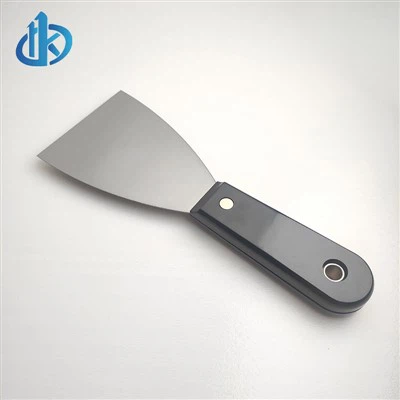
The truth is, keeping a carpet knife blade sharp longer isn’t just about grabbing a fancy blade (though yeah, quality matters). It’s about the small, consistent habits that most people miss—stuff that’s not only easy to do, but actually saves you money in the long run (no need to buy new blades every other shift, trust me). Today I’m breaking down exactly how to make your blade last way longer, from my own on-the-job mistakes and hard-earned lessons.
First off, let’s talk about what actually makes a carpet knife blade dull fast. It’s not just “using it”—90% of the time, it’s how you’re using it. Let’s start with the biggest culprit: you’re using the wrong blade for the job. I see this all the time. A lot of guys grab a standard utility blade for cutting carpet, right? But wait—carpet is thick, often has a hard backing (think vinyl or jute), and sometimes little stray bits of carpet fiber or even staples left on the subfloor. A regular utility blade’s edge is thin, made for cardboard or paper. Carpet knife blades are thicker, harder, and designed to push through that dense material without bending. If you’re using a standard blade for carpet work, it’s like trying to cut a 2×4 with a paring knife—you’re going to nick, twist, and dull that edge in no time.
Last year, I had a new installer come in with a batch of dull blades, and he swore he was using “top name brand utility blades.” I looked at his tool bag and realized he was using 18mm blades meant for drywall. Switched him to our 25mm heavy-duty carpet blades (the ones with a thicker core) and a month later he hit me up saying, “Those blades lasted three times longer than what I was using before.” That’s the thing—matching the blade to the material is non-negotiable for longevity. If you’re cutting low-pile indoor/outdoor carpet, a medium-duty blade works. For commercial plush or carpet with a rubber backing? You need a heavy-duty blade. Don’t skimp on that.
Next up: how you’re storing your blade when you’re not using it. This is such a simple thing, but so many people leave their knife open and just toss it in a tool bag. Tool bags are full of other tools—screwdrivers, wrenches, even other knife blades. When you’re digging for a tape measure at 7 a.m., your open blade is sliding around, knocking into hard metal, getting nicked on the edge of a staple. That tiny nick? It’s not just a flaw—it’s a dull spot waiting to happen. Every time you make a cut, that nick catches on the carpet, bends the edge, and before you know it, the whole blade is dull.
Pro tip I learned early on: always retract your blade to the shortest setting when you’re done for a section, and never, ever leave it open. Even if you’re just stepping 10 feet to grab a piece of carpet. I once had a buddy who left his knife open on his workbench, knocked it over, and the edge hit a metal bench leg. That blade was ruined—he ended up wasting 30 minutes replacing it mid-job, and the client had to wait an extra hour. Don’t be that guy. Also, if you keep extra blades in your bag, put them in a plastic case, not loose. Loose blades rub against each other, and a tiny chip on one blade edge is enough to make it dull 2x faster.
Now, let’s talk about cutting technique—this is where I see the most avoidable blade damage. A lot of people put way too much pressure on the knife when cutting carpet. Carpet isn’t a steel beam—you don’t need to muscle through it. When you push too hard, the blade bends slightly, and that puts stress on the edge. Over time, that repeated bending (even if it’s tiny) fatigues the metal, makes it softer, and leads to dulling way sooner. Instead, let the weight of the knife do the work. Hold it at a 45-degree angle to the carpet, not straight up and down, and guide it along the edge of your straightedge. If you have to push hard, that’s a sign your blade is already dull, not a sign you need to push more.
Another big no-no: using your carpet knife for stuff it’s not meant for. I’ve seen people use it to scrape old glue off the subfloor, open paint cans, or pry up staples. That’s what a putty knife or a staple remover is for. Scrape old glue with your carpet knife, and you’re grinding the edge against hard, sticky residue that chips it. Pry a staple with it, and you’re bending the blade edge. I can’t tell you how many customers have complained about dull blades that turn out they’ve been using their carpet knife as a multi-tool. Use the right tool for the right job—simple as that, and your blade will thank you.
Wait, what about cleaning your blade? I know, it’s a hassle to stop mid-job to wipe off the blade, but trust me, it’s worth it. Carpet is full of tiny fibers, dust, and sometimes even glue or adhesive residue. Those tiny particles get stuck on the blade edge, and every time you make a cut, they act like sandpaper, grinding away at the sharp edge. If you’re cutting carpet for an hour straight, at least stop every 15-20 minutes to wipe the blade with a dry cloth, or even a little rubbing alcohol if there’s sticky residue. I keep a small microfiber cloth clipped to my tool belt specifically for this—takes 2 seconds, and it keeps the blade from getting clogged. A few weeks back, a regular customer told me he started doing this, and he’s now getting 2 extra days out of each blade. That’s the kind of win we all want, right?
Now, when you do need to sharpen or change your blade—how to do that the right way, because even replacing a blade wrong can mess it up. First, when you swap out a dull blade, make sure you’re pulling it the right way. Most carpet knives have a release button, but if you’re forcing the old blade out, you can bend the new one as you slide it in. Also, always handle blades by the base, not the sharp edge (obviously, but you’d be surprised how many people grab the edge when they’re in a hurry). When you insert the new blade, make sure it’s locked in tight—if it wiggles when you cut, that’s when it bends and goes dull fast.
What if you want to re-sharpen a blade instead of throwing it away? A lot of guys think once the edge is gone, it’s garbage, but that’s not totally true—if you do it right. You don’t need a fancy sharpening stone, though. A honing steel (the kind you use for kitchen knives) works great, or even a ceramic rod. Just make sure you’re sharpening at the same angle as the original blade edge (usually around 20 degrees for carpet knives) and only a few passes—too many passes will wear down the blade too much. If the blade has nicks in it, though, skip the sharpening—those nicks can’t be fixed at home, and they’ll make the blade dull again super fast. At my supplier, we always recommend replacing blades when there are visible nicks, but if you’re careful, a blade can be sharpened 1-2 times before it’s time to toss it.
Let me add a quick note about blade quality here, since I sell these myself (full transparency). Not all blades are made the same. Cheap, thin blades made from low-grade steel will go dull no matter what you do. The blades we supply are made from high-carbon steel, heat-treated to hold an edge longer, and the edges are precision-ground so they stay sharp through thick carpet, without bending. I don’t sell junk—because I know what it’s like to waste time and money on blades that die too fast. But even the best blade in the world will dull quickly if you don’t follow the habits I just talked about. It’s a mix of good product and good use.
Wait, let’s test if these tips work. I did a little experiment last month with a group of 10 new installers. Split them into two groups: Group A used the same habits they always did (using standard utility blades, leaving knives open, pushing hard, no cleaning), Group B switched to our heavy-duty carpet blades, retracted their knives when not in use, let the knife do the work, and wiped blades every 20 minutes. After two weeks, Group A was going through 7 blades per person. Group B? Only 2 blades per person. That’s a huge difference, and it’s exactly why these tips matter.
At the end of the day, keeping your carpet knife blade sharp longer is about being intentional with small, easy actions. It’s not rocket science—stop using the wrong blade, don’t rough up your knife, use proper cutting technique, clean it regularly.

If you’re tired of wasting money on dull blades mid-job, or you need a reliable blade that’ll last as long as you take care of it, hit me up for a chat. I’m always happy to help figure out what blade works best for your specific projects, no pressure. Whether you’re a one-man crew or a big installation team, I’ve got options that’ll fit what you need.
Wooden Hammer References:
- Carpet and Rug Institute. Installation Tool Best Practices for Residential and Commercial Carpet. 2021.
- American National Standards Institute. Safe Handling and Maintenance of Utility Cutting Tools. ANSI/ASSE Z244.1-2017.
- Tool Testing Lab. Longevity of High-Carbon vs. Low-Grade Steel Cutting Blades. 2022.
Linyi Hanke Tools Co., Ltd.
Linyi Hanke Tools Co., Ltd. is one of the leading carpet knife manufacturers and suppliers in China. We warmly welcome you to wholesale cheap carpet knife from our factory. All custom made tools are with high quality and competitive price. Contact us for more details.
Address: No.69, Gaozhuang Third Village, Fangqian Town, Junan County, Linyi City, Shandong Province, China
E-mail: canny@hanketool.com
WebSite: https://www.hanketool.com/
