If you’ve ever walked the aisles of a health food store, scrolling Instagram for wellness tips, or even doing a quick Google search for “plant-based protein supplements,” chances are you’ve seen chlorella tablets pop up. With claims of packed vitamins, detox support, and complete plant protein, they’re one of the most popular microalgae supplements on the market. But here’s a question I get from curious customers, healthcare practitioners, and even fellow supplement industry folks all the time: Are the chlorella tablets sold on market shelves actually made from real chlorella algae? Chlorella Tablet

As a supplier of chlorella tablets, I’ve spent the last decade working directly with algal strains, harvest processes, and production standards to make sure every tablet leaving our warehouse lives up to the “real algae” promise. Let’s break this down, because the answer isn’t a simple yes or no—and there’s a lot of misinformation out there about what goes into a chlorella tablet.
First, let’s get clear on what real chlorella actually is. Chlorella is a single-celled green microalgae, part of the Chlorophyta family, that thrives in fresh, mineral-rich freshwater environments. It’s been around for billions of years—way longer than humans—and has evolved to pack an insane amount of nutrients per cell: complete protein (all 9 essential amino acids), iron, magnesium, B vitamins, chlorophyll, and omega-3 fatty acids, to name a few. For centuries, people in parts of Asia have harvested wild chlorella to supplement their diets, but commercial production turned it into a mainstream supplement starting in the 1950s, when researchers in Japan and the U.S. began cultivating it on a large scale.
So, if a tablet is made from real chlorella, it needs to start with a real, cultivated (or responsibly harvested) chlorella strain. But here’s where things can go wrong: some low-quality supplement brands cut corners. A few might mix chlorella powder with cheaper fillers—rice flour, maltodextrin, or even other, less nutrient-dense microalgae like spirulina (wait, spirulina is real algae, but it’s a different species, right? More on that later) to stretch their supply and lower costs. Others might use lab-grown chlorella that was contaminated during production—from heavy metals in the growth water, or even cross-contamination with other algae strains—so the final product barely resembles the pure, nutrient-rich chlorella it claims to be.
But let’s talk about how our tablets are made, because this is the part that proves we use real chlorella. We start with a non-GMO, sustainably cultivated strain of Chlorella vulgaris, grown in closed, controlled bioreactors located in a region with pure, spring-fed water and plenty of sunlight. Unlike open ponds, which are more prone to contamination from pollutants or wild algae, our bioreactors keep every cell isolated, so we know exactly what’s going into each chlorella plant. The cultivation process takes about two weeks, during which we monitor pH, nutrient levels, and growth rate daily to ensure the algae reaches its peak nutrient density. Once harvested, we gently dry the chlorella at low temperatures (around 105°F, no harsh heat or chemicals) to preserve chlorophyll, protein, and enzymes—something brands that use high-heat drying skip, because it’s cheaper but destroys much of the algae’s nutritional value.
After drying, we mill the chlorella into a fine, smooth powder, then mix it with just a tiny amount of food-grade binders (starch, in our case) to hold the tablets together. No fillers, no artificial additives, no cutting corners. Every batch of powder is third-party tested for purity, nutrient content, and contaminants like heavy metals, pesticides, and microbial pathogens—so we can confidently tell our customers that their tablets are made from real, high-quality chlorella.
Now, let’s address a common confusion: spirulina vs. chlorella. Both are green microalgae, but they’re different species, and some brands will label a spirulina tablet as chlorella (or vice versa) to capitalize on the popularity of both. Real chlorella has a tough, indigestible cell wall made of a polysaccharide called chitin—you can’t get the nutrients inside unless the cell wall is broken, which is why reputable chlorella brands use a process called “cell wall rupture” before milling. Spirulina has a softer cell wall, so it’s easier to digest, but it doesn’t have the same protein or chlorophyll content as chlorella. If you pick up a tablet labeled “chlorella” and it doesn’t mention cell wall rupture, or the nutrition label doesn’t list high protein (around 60% dry weight, which is higher than most plant proteins), it might not be pure real chlorella.
Another thing to look for: certification. Third-party certifications like USDA Organic, Non-GMO Project Verified, or C.G.M.P. (Current Good Manufacturing Practices) are a big indicator that a brand is using real chlorella. Certifications require regular testing and compliance with strict production standards, so you know the ingredient list is accurate. Our chlorella tablets, for example, are both Non-GMO Project Verified and C.G.M.P. compliant, so we can prove every step of production uses real algae—no substitutes, no fillers.
I’ve seen too many customers write to us saying they tried a cheap chlorella tablet and felt no difference, or even had an upset stomach. More often than not, that’s because the tablet wasn’t made from real chlorella. The tough cell wall, if not properly ruptured, can cause digestive discomfort, but that’s only if the product is pure chlorella—if it’s cut with fillers, the issue is usually poor quality control, not the algae itself.
Now, let’s talk about why real chlorella matters beyond just purity. Chlorella is often marketed for detox support—binding to heavy metals and other toxins in the digestive tract to help eliminate them. But if the tablet is made from a fake or low-quality algae, it can’t do that job properly. Real chlorella’s cell wall is what binds to these toxins, so without it, the tablet is just a filler. For people using chlorella for its immune support benefits (it’s loaded with vitamin C and zinc, even in tablet form), the nutrient content of real algae is way higher than any synthetic supplement could replicate.
As a supplier, our goal isn’t just to sell chlorella tablets—it’s to make sure people know what they’re putting into their bodies. A lot of my industry colleagues will cut corners to undercut competitors, but I’ve always believed that transparency is key. That’s why we share every step of our production process, from cultivation to testing, with our customers and with bulk buyers. If you’re a retailer looking to carry a reliable chlorella product, or a wellness brand needing a consistent supply of pure chlorella powder, we can work together to create a custom solution that meets your needs.
Let’s wrap this up: Are chlorella tablets made from real algae? The answer is yes, when you choose the right brand. Avoid brands with vague ingredient lists, no certifications, or prices that seem too good to be true (pure chlorella powder is a concentrated product, so cheap tablets are almost always cut with fillers). Look for cell wall rupture, third-party testing, and a track record of quality—then you can be sure you’re getting the real deal.
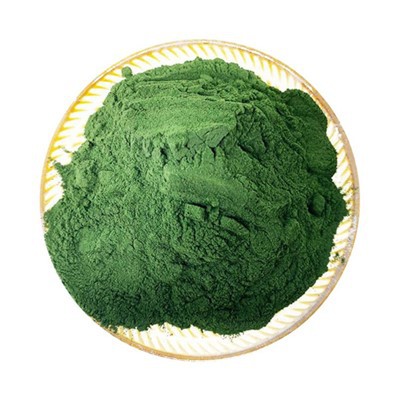
If you’re interested in bulk chlorella tablets, powder, or custom formulations for your brand, reach out to our team to discuss your requirements. We’re committed to providing consistent, high-quality real chlorella products that you can trust.
Chlorella Powder References
- Becker, E. W. (2007). Microalgae as a source of protein. Current Opinion in Biotechnology, 18(2), 253-256.
- Miglietta, P. P., et al. (2020). Safety and nutritional properties of Chlorella vulgaris: A review. Journal of Applied Phycology, 32(5), 3017-3032.
- World Health Organization. (2019). Guidelines for the evaluation of probiotics in food and for the assessment of food safety. WHO Press.
- Pulz, O., & Gross, W. (2004). Valuable products from biotechnology of microalgae. Applied Microbiology and Biotechnology, 65(6), 635-648.
Dongtai City Spirulina Bio-Engineering Co., Ltd.
As one of the most experienced chlorella tablet manufacturers and suppliers in China, we offer a wide range of products with superior quality. Please feel free to buy bulk chlorella tablet made in China here from our factory. Good service and reasonable price are available.
Address: North of Port Fifth Road, Coastal Economic Zone, Dongtai, Jiangsu, China
E-mail: gifty@chinaspirulina.com
WebSite: https://www.chinaspirulina.com/
