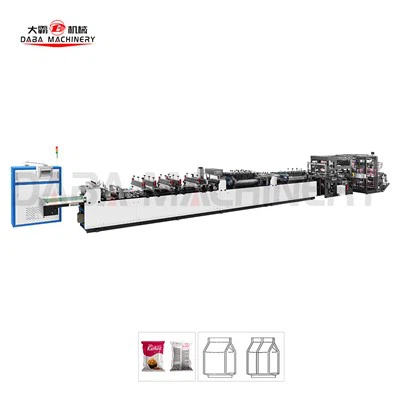
As a supplier of Straight Gear Flexographic Printing Machines, I’m often asked about the color matching system of these remarkable pieces of equipment. Flexographic printing is a popular method used in various industries, including packaging, labels, and corrugated boards, due to its versatility, high-speed production, and cost-effectiveness. The color matching system in a Straight Gear Flexographic Printing Machine is a crucial component that ensures the accurate reproduction of colors, meeting the high standards of quality and consistency demanded by customers. Straight Gear Flexographic Printing Machine

Understanding the Basics of Color in Flexographic Printing
Before delving into the color matching system, it’s essential to understand the basics of color in flexographic printing. In this process, colors are typically created using a combination of primary colors: cyan, magenta, yellow, and black (CMYK). These primary colors are mixed in different proportions to produce a wide range of secondary and tertiary colors. The goal of the color matching system is to ensure that the colors printed on the substrate match the desired color specifications as closely as possible.
The color matching process begins with the creation of a color reference, such as a Pantone color swatch or a digital color file. This reference serves as the target color that the printing machine aims to reproduce. The color matching system then uses various techniques to adjust the ink formulation, ink flow, and printing parameters to achieve the desired color.
Components of the Color Matching System
The color matching system in a Straight Gear Flexographic Printing Machine consists of several key components, each playing a vital role in ensuring accurate color reproduction.
Ink Management System
The ink management system is responsible for controlling the flow and consistency of the ink. It includes components such as ink pumps, ink tanks, and ink filters. The ink pumps ensure a constant and uniform flow of ink to the printing plates, while the ink tanks store the ink and maintain its temperature and viscosity. The ink filters remove any impurities or debris from the ink, ensuring a clean and consistent print.
Color Sensors
Color sensors are used to measure the color of the printed material in real-time. These sensors are typically located near the printing stations and use advanced optical technology to detect the color of the ink on the substrate. The color sensors provide feedback to the color matching system, allowing it to make adjustments to the ink formulation and printing parameters as needed.
Software and Control System
The software and control system is the brain of the color matching system. It receives data from the color sensors and uses algorithms to analyze the color information and make adjustments to the ink formulation and printing parameters. The software also allows operators to set the desired color specifications and monitor the color matching process in real-time.
Printing Plates
The printing plates play a crucial role in the color matching process. They are made of a flexible material, such as rubber or photopolymer, and are engraved with the image or text to be printed. The printing plates transfer the ink from the ink fountain to the substrate, and the quality of the plates can have a significant impact on the color accuracy and consistency of the print.
Color Matching Techniques
There are several color matching techniques used in a Straight Gear Flexographic Printing Machine, each with its own advantages and disadvantages.
Visual Color Matching
Visual color matching is the simplest and most traditional method of color matching. It involves comparing the printed material to a color reference, such as a Pantone color swatch, using the human eye. While visual color matching can be effective for some applications, it is subjective and can be affected by factors such as lighting conditions and the operator’s eyesight.
Spectrophotometric Color Matching
Spectrophotometric color matching is a more accurate and objective method of color matching. It involves using a spectrophotometer to measure the reflectance or transmittance of the printed material at different wavelengths. The spectrophotometer provides a numerical value for the color, which can be compared to the desired color specifications. Spectrophotometric color matching is commonly used in industries where high color accuracy and consistency are required, such as packaging and labels.
Computer-Aided Color Matching
Computer-aided color matching is a combination of visual and spectrophotometric color matching. It involves using a computer software program to analyze the color information from the spectrophotometer and make adjustments to the ink formulation and printing parameters. Computer-aided color matching can be more efficient and accurate than visual color matching, as it takes into account factors such as the substrate, ink type, and printing conditions.
Importance of Color Matching in Flexographic Printing
Accurate color matching is essential in flexographic printing for several reasons.
Brand Identity
Color is an important element of brand identity, and accurate color reproduction is crucial for maintaining the consistency and recognition of a brand. In the packaging and labeling industry, for example, the colors used on a product’s packaging can have a significant impact on consumer perception and purchasing decisions. A consistent and accurate color match ensures that the brand’s image is maintained across all printed materials.
Quality Control
Color matching is also important for quality control. In industries where high-quality printing is required, such as the pharmaceutical and food industries, accurate color reproduction is essential for ensuring the safety and integrity of the product. A consistent and accurate color match helps to identify any defects or inconsistencies in the printing process, allowing for timely corrective action.
Customer Satisfaction
Finally, accurate color matching is important for customer satisfaction. Customers expect the printed materials they receive to match the color specifications provided, and a failure to meet these expectations can result in dissatisfaction and lost business. A consistent and accurate color match helps to build trust and confidence with customers, ensuring repeat business and positive word-of-mouth.
Challenges in Color Matching
While the color matching system in a Straight Gear Flexographic Printing Machine is designed to ensure accurate color reproduction, there are several challenges that can affect the color matching process.
Substrate Variations
The substrate, or the material being printed on, can have a significant impact on the color accuracy and consistency of the print. Different substrates have different surface characteristics, such as absorbency, smoothness, and reflectance, which can affect the way the ink adheres to the substrate and the way the color is perceived. To overcome this challenge, it’s important to select the appropriate substrate for the printing application and to adjust the ink formulation and printing parameters accordingly.
Ink Variations
The ink used in flexographic printing can also vary in quality and consistency, which can affect the color accuracy and consistency of the print. Different ink manufacturers may use different formulations and pigments, which can result in variations in color. To overcome this challenge, it’s important to use high-quality ink from a reputable manufacturer and to ensure that the ink is properly stored and maintained.
Printing Conditions
The printing conditions, such as temperature, humidity, and pressure, can also affect the color accuracy and consistency of the print. Changes in these conditions can cause the ink to dry at different rates, which can affect the color and the quality of the print. To overcome this challenge, it’s important to maintain consistent printing conditions and to monitor the printing process closely.
Conclusion
The color matching system in a Straight Gear Flexographic Printing Machine is a complex and crucial component that ensures the accurate reproduction of colors. By understanding the basics of color in flexographic printing, the components of the color matching system, the color matching techniques, and the challenges in color matching, suppliers can provide their customers with high-quality printed materials that meet their color specifications and expectations.
Film Blowing Machine If you’re interested in learning more about our Straight Gear Flexographic Printing Machines and their color matching systems, or if you’re considering purchasing a printing machine for your business, please don’t hesitate to contact us. Our team of experts is available to answer your questions and to provide you with the information you need to make an informed decision. We look forward to working with you to meet your printing needs.
References
- Flexographic Printing Technical Association (FPTA). (2023). Flexographic Printing Handbook.
- Pantone. (2023). Pantone Color Matching System.
- ASTM International. (2023). Standard Test Methods for Color and Color-Difference Measurement by Tristimulus Colorimetry.
Wenzhou Daba Machinery Co., Ltd.
With abundant experience, we are one of the most professional straight gear flexographic printing machine manufacturers and suppliers in China. We warmly welcome you to wholesale advanced straight gear flexographic printing machine at competitive price from our factory. If you have any enquiry about cooperation, please feel free to email us.
Address: Qianbu Industrial Zone, Xincheng Street, Ruian City, Wenzhou, China.
E-mail: info1@dabamachinery.com
WebSite: https://www.dabaflexpack.com/
