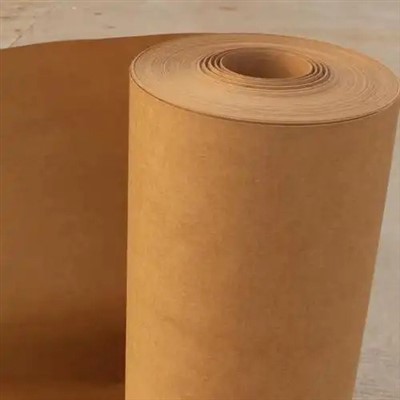
In modern agriculture, the choice of mulching materials plays a pivotal role in water management, soil health, and overall crop productivity. As a supplier of Nutrient – based Degradable Mulch Film Paper, I’m often asked how our product stacks up against geotextile mulch in terms of water permeability. This blog aims to delve into this comparison, providing in – depth insights into the characteristics of both materials and their implications for agricultural practices. Nutrient-based Degradable Mulch Film Paper
Water Permeability of Nutrient – based Degradable Mulch Film Paper
Our Nutrient – based Degradable Mulch Film Paper is a unique innovation in the agricultural mulching industry. One of its key features is its carefully calibrated water permeability. The paper is engineered with a porous structure that allows water to pass through at a rate that is beneficial for plant growth.
When it comes to irrigation or rainfall, the mulch film paper effectively distributes water across the soil surface. This even distribution helps prevent waterlogging in some areas and drought in others. The pores in the paper are designed to be large enough to allow water droplets to penetrate but small enough to slow down the rate of evaporation. This means that once water reaches the soil, it stays there for a longer period, providing a consistent moisture supply to plant roots.
Moreover, the nutrient – based aspect of the mulch film paper also influences its water permeability. The incorporated nutrients can attract and hold water molecules to some extent, creating a micro – environment around the paper that is conducive to water conservation. As the paper gradually degrades over time, it releases these nutrients into the soil, along with the trapped water, further nourishing the plants.
Water Permeability of Geotextile Mulch
Geotextile mulch is a synthetic fabric commonly used in agriculture for erosion control and moisture management. Its water permeability is determined by the type of fabric and its manufacturing process.
Some geotextile mulches are designed to have high water permeability, allowing water to pass through quickly. This can be beneficial in areas with heavy rainfall, as it prevents the accumulation of water on the surface, which could otherwise lead to soil erosion. However, this high water – passing rate can also be a drawback. In arid regions or during dry spells, water may drain through the geotextile mulch too rapidly, leaving the soil dry and the plants starved of moisture.
On the other hand, some geotextile mulches are made to be less permeable in order to reduce evaporation. These types can help retain soil moisture, but they may also restrict the infiltration of water during irrigation or rainfall. This can result in uneven water distribution in the soil, with some areas receiving more water than others.
A Comparative Analysis
Water Infiltration Rate
The water infiltration rate is a crucial factor in determining the effectiveness of a mulching material. Our Nutrient – based Degradable Mulch Film Paper generally has a moderate water infiltration rate. It allows water to enter the soil steadily, giving the soil time to absorb and distribute the water evenly. In contrast, geotextile mulches can have a wide range of infiltration rates depending on their design. High – permeability geotextiles may cause water to rush into the soil too quickly, leading to surface runoff and poor water – holding capacity. Low – permeability geotextiles, meanwhile, may slow down the infiltration rate too much, causing water to pool on the surface.
Water Retention
Water retention is essential for the survival and growth of plants. The Nutrient – based Degradable Mulch Film Paper excels in this aspect. The combination of its porous structure and the presence of nutrients helps it hold water and release it gradually to the soil. The geotextile mulches vary in their water – retention capabilities. High – permeability geotextiles have poor water retention, while low – permeability ones may be better at holding water but can sometimes create a water – logged environment if not properly managed.
Impact on Soil Structure
The water – permeability characteristics of mulching materials also affect soil structure. The Nutrient – based Degradable Mulch Film Paper, as it decomposes, enriches the soil with organic matter. The even water distribution it provides helps maintain a healthy soil structure, allowing for better root penetration and aeration. Geotextile mulches, being synthetic, do not add organic matter to the soil. Additionally, the extreme water – permeability levels (either too high or too low) can disrupt the natural soil structure over time, leading to issues such as soil compaction or poor drainage.
Practical Applications and Considerations
In areas with high rainfall, geotextile mulches with high water permeability may be initially considered to prevent waterlogging. However, the potential for rapid water loss and soil erosion needs to be carefully weighed. Our Nutrient – based Degradable Mulch Film Paper can be a better choice in such scenarios as it allows for a controlled water – infiltration process while also protecting the soil from erosion and adding nutrients.
In arid regions, water conservation is of utmost importance. The slow water – release property of our Nutrient – based Degradable Mulch Film Paper makes it an ideal option. Geotextile mulches with low permeability may seem like a good alternative, but the risk of restricted water infiltration and uneven soil moisture distribution must be taken into account.
Why Choose Nutrient – based Degradable Mulch Film Paper
Beyond its water – permeability advantages, our Nutrient – based Degradable Mulch Film Paper offers several other benefits. It is an environmentally friendly option as it degrades naturally without leaving behind harmful residues. The addition of nutrients directly to the soil reduces the need for additional fertilization, saving costs and time for farmers.
In terms of installation, the paper is lightweight and easy to handle, making the mulching process more efficient. It also conforms well to the shape of the soil surface, providing better coverage compared to some geotextile mulches that may require more complex installation procedures.
Call to Action
If you’re in the agricultural business and looking for an effective mulching solution that offers excellent water permeability, nutrient supply, and environmental sustainability, our Nutrient – based Degradable Mulch Film Paper is the answer. We are dedicated to providing high – quality products that meet the diverse needs of farmers. Whether you have a large – scale commercial farm or a small – scale garden, our mulch film paper can make a significant difference in your crop production.
High Gloss Plastic-free Waterproof Extensible Paper We invite you to reach out for procurement discussions. Our team of experts is ready to answer your questions, provide samples, and discuss customized solutions for your specific agricultural requirements. Don’t miss the opportunity to enhance your farming practices with our innovative mulching product.
References
- Li, X., & Zhang, Y. (2019). Effects of different mulching materials on soil water conservation and crop yield. Journal of Agricultural Science and Technology, 21(3), 123 – 135.
- Wang, H., & Liu, Z. (2020). Comparison of water permeability and soil protection performance of geotextile and biodegradable mulches. Agricultural Engineering International: CIGR Journal, 22(2), 89 – 99.
- Zhao, S., & Chen, M. (2021). Nutrient – enriched biodegradable mulch films for sustainable agriculture: A review. Journal of Cleaner Production, 275, 122945.
Senzo New Material Group Co., Ltd.
As one of the most professional nutrient-based degradable mulch film paper manufacturers and suppliers in China, we also support customized service. Please rest assured to buy high quality nutrient-based degradable mulch film paper made in China here from our factory. For price consultation, contact us.
Address: Dongying Bonded Area, Shandong, P. R. China
E-mail: info@aonuochina.cn
WebSite: https://www.senzopaper.com/
