Garbage collection is an essential part of urban and suburban life, ensuring the cleanliness and hygiene of our communities. As a professional in the garbage truck supply industry, I’m often asked about how these remarkable vehicles load waste. In this blog post, I’ll take you through the fascinating process of how garbage trucks load waste, exploring the different types of trucks and their unique mechanisms. Garbage Truck

The Basics of Garbage Truck Design
Before delving into the loading process, it’s important to understand the basic design of garbage trucks. Most garbage trucks are equipped with a large storage compartment, known as the hopper, where waste is initially deposited. This hopper is connected to a compaction mechanism that squeezes the waste to increase the amount of garbage that can be stored in the truck. The truck also has a series of hydraulic systems, levers, and controls that enable the operator to manage the loading and compaction processes.
Types of Garbage Trucks and Their Loading Methods
Front-Load Garbage Trucks
Front-load garbage trucks are commonly used for commercial waste collection. These trucks are designed to lift large, wheeled dumpsters and empty their contents into the hopper. The process begins when the truck arrives at the collection site. The operator uses the truck’s hydraulic arms, which are located at the front of the vehicle, to grasp the handles of the dumpster.
Once the arms have a secure hold on the dumpster, the operator activates the hydraulic system. This causes the arms to lift the dumpster off the ground and rotate it over the hopper. The waste then spills out of the dumpster and into the hopper. After emptying, the dumpster is lowered back to the ground in its original position.
One of the advantages of front-load garbage trucks is their efficiency. They can quickly and easily empty large dumpsters, reducing the time spent at each collection point. Additionally, the design of the front-loading mechanism minimizes the risk of spills and ensures that the waste is loaded directly into the hopper.
Rear-Load Garbage Trucks
Rear-load garbage trucks are a popular choice for residential waste collection. These trucks have a hopper located at the rear of the vehicle, where waste collectors can deposit bags and cans of garbage. The loading process for rear-load trucks typically involves the waste collector manually lifting the garbage containers and emptying them into the hopper.
Once the waste is in the hopper, a mechanical or hydraulic ram is used to push the waste towards the compaction chamber. The compaction system then squeezes the waste, reducing its volume and making room for more garbage. This process is repeated throughout the collection route until the hopper is full.
Rear-load garbage trucks are known for their versatility. They can easily accommodate different types of waste containers, including small residential bins and larger commercial cans. However, the manual loading process can be labor-intensive, and it may take longer to collect waste compared to front-load trucks.
Side-Load Garbage Trucks
Side-load garbage trucks are another option for waste collection, especially in areas with narrow streets or limited access. These trucks have a hopper located on the side of the vehicle, and they are equipped with a mechanical arm that can reach out and grab garbage containers.
The loading process for side-load trucks starts when the operator positions the truck next to the garbage container. The mechanical arm then extends from the side of the truck and clamps onto the container. The arm lifts the container, rotates it, and empties the waste into the hopper.
Side-load garbage trucks offer several benefits. They are more maneuverable than front or rear-load trucks, making them suitable for tight spaces. They also reduce the need for manual labor, as the mechanical arm can handle the lifting and emptying of the containers. However, the capacity of side-load trucks is generally smaller than that of front or rear-load trucks.
The Compaction Process
Regardless of the type of garbage truck, compaction is a crucial step in the waste loading process. Compaction helps to maximize the amount of waste that can be stored in the truck, reducing the number of trips required to transport the garbage to the landfill or recycling facility.
The compaction process typically involves a hydraulic ram or a series of blades that push the waste towards the back of the truck. As the waste is pushed, it is compressed, reducing its volume. Some garbage trucks are equipped with advanced compaction systems that can achieve a high compression ratio, allowing the truck to carry more waste.
The compaction process also helps to prevent the waste from shifting during transportation, reducing the risk of spills and ensuring a more stable load. Additionally, compacted waste takes up less space at the landfill, which can help to extend the life of the landfill and reduce environmental impact.
Safety and Maintenance
Loading waste is a challenging and potentially dangerous task, so safety is of the utmost importance. Garbage truck operators must follow strict safety procedures to protect themselves and others. This includes wearing appropriate personal protective equipment, such as gloves and safety glasses, and making sure that the truck is in good working condition before starting the collection route.
Regular maintenance is also essential to keep garbage trucks running smoothly. This includes checking the hydraulic systems, brakes, and tires, as well as lubricating the moving parts. By performing routine maintenance, we can prevent breakdowns and ensure that the trucks are operating efficiently.
Conclusion
Garbage trucks play a vital role in keeping our communities clean and healthy. The process of loading waste is a complex and carefully orchestrated operation that involves different types of trucks and loading mechanisms. Front-load, rear-load, and side-load trucks each have their own advantages and are suitable for different types of waste collection.
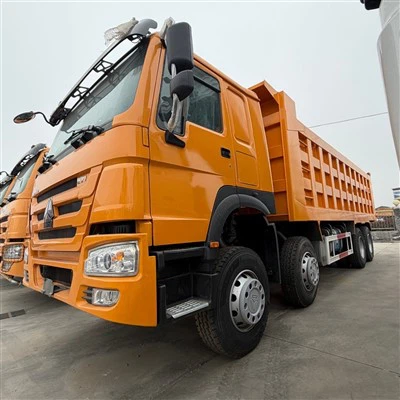
Compaction is a key step in the waste loading process, helping to maximize the truck’s capacity and reduce the environmental impact of waste disposal. Safety and maintenance are also crucial to ensure the efficient and safe operation of garbage trucks.
Semi-trailer As a leading supplier of garbage trucks, we are committed to providing high-quality vehicles that meet the needs of our customers. Our trucks are designed with the latest technology and safety features to ensure reliable and efficient waste collection. If you are in the market for a garbage truck, or if you have any questions about our products and services, please don’t hesitate to contact us. We look forward to working with you to find the perfect solution for your waste management needs.
References
- "Solid Waste Collection, Transfer, and Disposal." Environmental Protection Agency.
- "Garbage Trucks: Design, Operation, and Maintenance." Waste Management Journal.
- "The Basics of Waste Compaction." Compaction Equipment Manufacturer’s Association.
Shandong Huajiang Automobile Trading Co., Ltd.
As one of the most professional garbage truck manufacturers and suppliers in China, we also support customized service. Please feel free to buy high quality garbage truck for sale here from our factory. For price consultation, contact us.
Address: Industrial Park, Quanpu Town, Liangshan County, Jining City, Shandong Province
E-mail: 18253772888@163.com
WebSite: https://www.hjtrailer.com/
