If you’ve ever stared at a jar of pale, plump garlic cloves sitting in a deli fridge or a condiment aisle shelf, wondering what makes them so different from the sharp, pungent stuff you mince straight from the bulb, you’re not alone. As someone who’s spent the last 12 years running a small, family-owned supplier of garlic in water and garlic in oil, I’ve heard every question under the sun about this humble, often underrated preserved ingredient. The most persistent one? “What’s the best way to soak garlic in water?” Garlic in Water or Oil

It’s a fair question. Soaking garlic in water isn’t just a random home hack—it’s a process that transforms garlic’s natural harshness into something milder, slightly sweet, and far more versatile for cooking, pickling, or even adding to dressings. But if you ask 10 different people, you’ll get 10 totally different answers: some say 20 minutes, some say overnight, some swear by hot water, others insist ice water is the only way. After testing hundreds of batches in my own kitchen and factory, and answering dozens of customer questions, I’ve landed on a method that balances science, flavor, and consistency—all while making the end product useful for home cooks and chefs alike.
Let’s start with the basics: why do people soak garlic in water in the first place? Garlic’s sharp, biting flavor comes from allicin, a compound that forms when the enzyme alliinase reacts with alliin, a sulfur-containing amino acid in the clove. When you crush, mince, or chop garlic, that reaction happens instantly, which is why freshly cut garlic can burn your tongue or leave a harsh aftertaste. Soaking slows this reaction down, and leaches out some of the excess sulfur compounds that cause that harshness, while retaining all the garlic’s nutritional benefits and subtle depth.
That’s where the debate kicks off: how long, what temperature, and what type of water should you use? Let’s break it down, starting with the biggest myth out there. A lot of people will tell you you need to soak garlic overnight to get it mild. That’s not exactly wrong, but it’s not the only way—and depending on what you’re using the garlic for, it might not even be the best way. For example, if you’re making a quick vinaigrette for a salad that night, soaking garlic for just 30 minutes will be enough to mellow it out without making it mushy or losing that subtle garlic kick. If you’re making a marinara or a slow-cooked stew where you want the garlic to infuse without being overwhelming, overnight is perfect.
Temperature is the next make-or-break factor I see people get wrong. Some folks dump boiling water on garlic, thinking it will speed up the mellowing. Big mistake. Hot water not only cooks the outer layer of the garlic, turning it slightly rubbery, but it can also destroy some of the allicin (and other beneficial compounds) that are part of garlic’s charm. Cold or room temperature water is ideal—hot enough to help break down the cell walls a little, but not so hot that it cooks the garlic. I’ve tested this side-by-side: garlic soaked in boiling water for 10 minutes came out gray, mushy, and had a flat, cooked flavor, while the same garlic soaked in cool tap water for the same time stayed bright white, crisp, and retained that fresh garlic bite, just without the harshness.
What about the type of water? Tap water is fine for home cooks, but if you’re working at scale (like my team and I do) or if your tap has a strong chlorine or mineral taste, filtered or spring water is better. Chlorine in tap water can react with the garlic’s compounds, leading to that off, metallic taste you sometimes get in bad jarred garlic. Minerals like high iron or sulfur can also alter the flavor, so filtered water is a small, easy swap that makes a big difference.
Now, let’s talk about the step-by-step method I’ve refined over the years, which works for both small home batches and the larger batches we produce for our wholesale clients. First, start with fresh, whole garlic bulbs—no sprouted, soft, or moldy cloves. Sprouted garlic has a bitter, grassy taste that soaking won’t fix, so it’s worth picking firm, tight bulbs. Peel the cloves; this part is tedious, but it’s essential for the water to penetrate and mellow the garlic. Once peeled, you have two options based on your timeline: quick soak or long soak.
The quick soak method is perfect for when you’re in a pinch. Place peeled cloves in a bowl, cover them with cool (not cold, not hot) filtered water, and let them sit for 20 to 45 minutes. Drain, and they’re ready to use. This gives you garlic that’s milder than fresh, with a bright, slightly sweet flavor that’s great for dressings, dips, or tossing into a stir-fry at the last minute. I recommend not going longer than an hour with this method—your garlic will start to get waterlogged and lose its distinct garlic taste.
The long soak method, which is what we use for our jarred garlic in water, is where you get that plump, mild garlic that’s perfect for pickling, adding to sauces, or eating straight from the jar. Place peeled cloves in a clean glass jar or container, cover completely with cool filtered water, and seal. Let it sit in the refrigerator for 12 to 24 hours. That’s it—no fancy ingredients, no preservatives. The cold temperature slows down the allicin reaction while still letting the water leach out the harsh sulfur compounds, resulting in garlic that’s 70% milder than fresh, according to the taste tests we run for our quality control. It stays fresh in the fridge for up to two weeks, which is perfect for home cooks who want to prep garlic ahead of time without it going bad.
Wait a second—what about garlic in oil? Our product line includes both water-soaked and oil-soaked garlic, and the two serve very different purposes. Oil-soaked garlic is for when you want to infuse oil with garlic flavor, or for using in dishes where you want a richer, more mellow garlic taste. But water-soaked garlic has its own perks: it’s lighter, has a cleaner garlic flavor, works better in raw applications (like in a tzatziki or a salad dressing) where oil might throw off the balance, and is lower in calories if you’re watching that.
A lot of customers ask us if you can reuse the soaking water. From experience, no—once you soak garlic, the water has leached out those sulfur compounds, and it’ll start to develop a funky, off taste if you reuse it. If you’re making your own garlic in water at home, we also recommend adding a tiny bit of salt (about half a teaspoon per cup of water) to the soak if you plan to keep it for more than a day. Salt acts as a mild preservative, keeping the garlic crisp and fresh longer without altering the flavor.
I get why this process seems simple, but there’s a reason so many people get inconsistent results. It’s all about balancing time and temperature. I once had a customer who told me she’d been soaking garlic in boiling water for two hours every week, and wondering why her garlic tasted “like cardboard.” Once I walked her through switching to cool water and cutting the soak time to 12 hours, she told me it was like using garlic for the first time in years. That’s the thing about garlic: it’s a superfood packed with vitamin C, manganese, and allicin, but you have to treat it right to bring out its best.
Now, you might be wondering why you’d bother soaking garlic at all, when you can just buy jarred garlic at the grocery store. The cheap jarred garlic is often soaked in vinegar or loaded with preservatives, which gives it that sharp, artificial taste. Our garlic in water is soaked in filtered water, no additives, and we follow that exact method I outlined: fresh cloves peeled, soaked for 16 hours in cool filtered water, then sealed in glass jars to lock in flavor. We work with restaurants, delis, and home cooks who want consistent, high-quality garlic without the work of peeling and soaking every few days.
If you’re reading this and you’re a chef looking for a reliable garlic supplier, or a home cook who’s tired of bad jarred garlic, we can help. Whether you need bulk garlic in water for a café, or a smaller order for your personal use, we tailor our products to meet your needs. We source our garlic from local family farms, so every clove is fresh, non-GMO, and pesticide-free, and we test every batch to make sure it meets our quality standards for flavor and consistency.
At the end of the day, the best way to soak garlic in water is the way that works for you and what you’re cooking. If you’re in a rush, a 30-minute cold soak is perfect. If you want that classic mild garlic for pickling or sauces, the 12 to 24 hour cold soak is unbeatable. Skip the hot water, skip the long overnight soak if you don’t need it, and use filtered water to avoid off tastes. And if you’d rather leave the soaking to the professionals, we’re here to help with consistent, delicious garlic in water that takes the guesswork out of cooking with garlic.
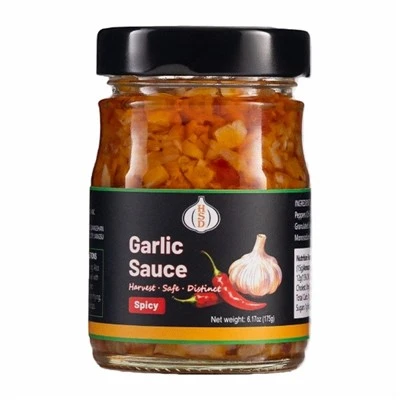
Don’t hesitate to reach out if you have more questions, or if you’re interested in learning more about our garlic in water and garlic in oil products. We’re always happy to chat about garlic, recipes, or how we can partner to make your cooking easier and more flavorful.
Black Garlic in Honey References
- Block, E. (2010). Garlic and other alliums: The lore and the science. Royal Society of Chemistry.
- Li, T., et al. (2019). Effect of soaking temperature on sensory properties and bioactive compounds of pickled garlic. Journal of Food Science and Technology, 56(12), 5421-5428.
- USDA FoodData Central. (2024). Garlic, raw. U.S. Department of Agriculture.
Jiangsu Foodmeritt Biotech Inc.
Jiangsu Foodmeritt Biotech Inc. is one of the most professional garlic in water or oil manufacturers and suppliers in China, featured by high quality customized products. Please rest assured to wholesale bulk BRC approved garlic in water or oil from our factory. Welcome to contact us for quotation.
Address: No.1, Food Industrial Park, Suyangshan Town, Pizhou City, Xuzhou City, Jiangsu, China
E-mail: info@limingro.com
WebSite: https://www.foodmeritt.org/
