Hey there, if you’ve got a shrink packaging machine running nonstop in your warehouse, you’ve probably wondered at some point—when’s the right time to throw it on the maintenance schedule? As a shrink packaging machine supplier who’s talked to hundreds of operators and maintenance techs over the years, I can tell you this isn’t a one-size-fits-all answer. Skip the generic “every X months” stuff; let’s break this down like we’re shooting the breeze after a long shift, no corporate jargon allowed. Shrink Packaging Machines
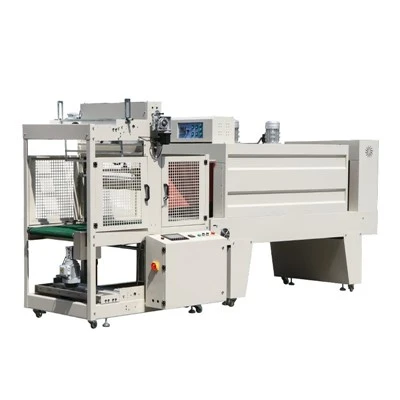
First off, let’s get one thing straight: your machine’s service frequency depends way more on how hard you’re using it than how old it is. I’ve seen a 5-year-old machine running 16 hours a day, 6 days a week, that’s way more beat up than a 2-year-old unit doing light 8-hour shifts. That’s the baseline I always start with when I chat with customers.
Let’s split this into the two main usage buckets, because that’s where most people go wrong. First, heavy-duty users—think food processing plants, beverage distributors, or e-commerce fulfillment centers that fire their shrink machine up at 7 a.m. and don’t hit the off switch till after dinner. These guys are running 24/7 or 120+ hours a week, no slow days. For these setups, we’re talking monthly check-ins for small stuff, like wiping down the heat tunnels, checking belt tension, and making sure the air filters aren’t caked with dust and plastic residue. Then every 3 to 6 months, you need a deeper dive: lubricating the conveyor bearings, calibrating the heat sealer wires, and testing the pressure on the pneumatic systems. If you skip this? You’ll end up with ruined pallets, stuck packages, or even a broken heat tunnel that costs you half a day’s production to fix. I had a beverage client last year who waited 8 months past their service window; their sealer wires snapped mid-run, and they had to throw out 2,000 cases of soda that couldn’t be shrink-wrapped properly. Not a good look for their monthly shipment.
On the flip side, light to medium users—like small print shops, craft goods makers, or retail stores that use their shrink machine maybe 20 to 40 hours a week, only when they have a batch order—can stretch this out a bit. For these folks, a quick once-over every 2 to 3 months is enough, and a full service every 6 to 12 months works fine. But even here, don’t sleep on it. I had a small candle maker reach out to me a while back, panicking because their machine was smoking every time they ran a batch of gift sets. Turned out the heat tunnel’s internal vents were clogged with wax dust because they’d skipped checking it for 10 months. That’s a $50 part that would’ve cost nothing to clean, versus them having to replace a $800 heating element because it overheated. Easy win if you just stick to the schedule.
Wait, but what about the “in between” cues? You don’t need to wait for your calendar to remind you. Your machine will tell you when it’s acting up. If you notice packages aren’t shrinking evenly—one side all crinkly, the other under-tight—it’s probably time to check the heat settings or the tunnel fan, not wait till your next scheduled service. If the conveyor is slipping or making a weird grinding noise when it turns, that’s a bearing issue waiting to blow. And if you’re using different types of shrink film? Like switching from thin polyolefin to thicker PVC? That can mess with the machine’s settings too, so you might need a quick tune-up sooner than usual. A lot of customers forget that changing film types changes the wear and tear on parts, so don’t just set it and forget it forever.
Another big factor: the environment your machine’s in. If it’s sitting in a dusty warehouse where sawdust or flour particles are floating around every day, those little bits get into every crevice—conveyor rollers, heat vents, motor housings. That means extra cleaning and filtering, so you might need to bump your service frequency up by a month or two. I had a woodworking client who uses their shrink machine for packaging custom cutting boards; their shop’s full of sawdust, so they have to swap air filters every 4 weeks, not every 8 like a similar client in a clean office setting. Makes total sense when you think about it—sawdust is like sandpaper for your machine’s moving parts.
Now, let’s talk about what a service actually is, because some people think it’s just wiping the machine down and calling it a day. Nope, a proper shrink packaging machine service has a few key steps. First, the external check: cleaning all residue from the sealer jaws, heat tunnel, and conveyor. Then internal: lubricating moving parts (but not too much—over-lubing is just as bad as under, it attracts more dust), testing electrical connections to make sure nothing’s frayed, and calibrating temperature and speed settings. We also always check the safety features—like the emergency stop buttons, which get pressed a lot when things go sideways, so you want to make sure they actually work. Safety is non-negotiable here, because a faulty machine can hurt someone.
Wait, and what about newer machines with smart tech? A lot of the shrink machines we sell now have built-in sensors that track usage hours, temperature fluctuations, and even part wear. Those are super helpful, because they’ll send you an alert when it’s time for a service, not just when the calendar says so. But I still tell customers not to rely solely on the sensor—occasionally, things happen that the sensor can’t pick up, like a sudden dust clog that slows the motor down. So even with the fancy tech, a visual check every few weeks is smart.
I get it, adding another thing to your maintenance to-do list feels like a hassle. You’re already juggling shipping deadlines, employee schedules, and fixing whatever breaks unexpectedly. But here’s the thing: service isn’t an expense—it’s an investment. When you stick to a consistent schedule, you avoid costly breakdowns that stop production cold, you extend the life of your machine (I’ve seen some machines last 10+ years with regular service, versus 3 or 4 if they’re neglected), and you get better, more consistent shrink wraps every single time. No more ruined products, no more late shipments to your customers. That pays for itself way more than a one-time service fee.
Let’s do a quick reality check from the field. Last quarter, I worked with two similar e-commerce clients, same size, same machine model. Client A ran it 14 hours a day, 5 days a week, and stuck to monthly small checks plus quarterly full services. Their downtime? Total of 8 hours for the whole quarter, all scheduled, no emergency fixes. Client B ran it the same amount, but only serviced it when it broke. Their downtime? 22 hours, 10 of which were unplanned, leading to them missing two small order deadlines. The difference? $1,200 in lost revenue for Client B, versus $300 in service costs for Client A. Numbers don’t lie here.
But I also don’t want to sound like a broken record telling everyone to follow the same rigid schedule. Maybe your machine is a backup unit that only gets used when your main one is down? Then you can stretch that to once a year, or even twice a year if it’s just sitting idle most of the time. Idle machines aren’t zero wear, though—dust still settles, seals can dry out, so a quick run and check every 6 months is still a good idea.
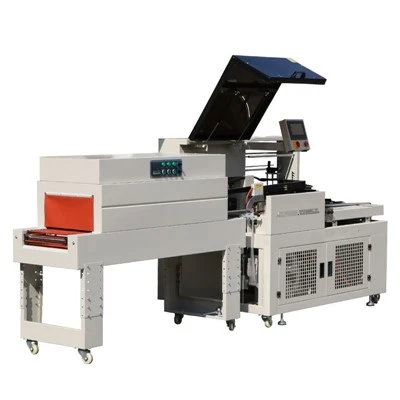
So let’s wrap this up with a simple rule of thumb, so you don’t have to overcomplicate it:
- If your machine runs 80+ hours a week (heavy use): Monthly quick checks, every 3-6 months full service.
- If it runs 20-80 hours a week (medium use): Every 2-3 months quick checks, every 6-12 months full service.
- If it runs less than 20 hours a week (light use/backup): Every 6 months quick check, annual full service.
Plus, always check for weird noises, uneven wraps, or slowdowns outside of your schedule—those are your early warning signs.
Smart Packaging Systems If you’re not sure what your machine needs, or you want a custom schedule tailored to your setup, hit us up. We’ve worked with all kinds of businesses, from small startups to big factories, and we’ll hook you up with a plan that fits your workflow, not some generic guide off the internet. Don’t wait till your machine quits on you during a big order—tackle maintenance now, so you can keep your packaging running smooth and your customers happy.
References
- Industrial Packaging Association. (2022). Best Practices for Shrink Packaging Machine Maintenance.
- Packaging Machinery Manufacturers Institute. (2021). Scheduled Maintenance Guidelines for End-of-Line Packaging Equipment.
- Food and Drug Administration. (2020). Equipment Maintenance Protocols for Food Packaging Machinery.
Langfang Huanqi Machinery Equipment Co., Ltd.
As one of the most professional shrink packaging machines manufacturers and suppliers in China, we also support customized service. Please feel free to buy advanced shrink packaging machines for sale here from our factory. Quality products and reasonable price are available.
Address: No. 40, Row 11, North Side of Central Street, Wangpeizhuang Village, Pingshu Town, Dacheng County, Langfang City, Hebei Province
E-mail: huanqijixie@outlook.com
WebSite: https://www.huanqiwrap.com/
