If you’ve ever stopped to think about what makes a forklift actually work, the first thing that might pop into your head is the big, heavy mast or the roar of the engine. But here’s a secret from someone who’s been in the forklift parts game for over a decade—every operator spends more time sitting on that forklift seat than they do operating the mast. I’ve seen it all: a driver who’s been running the same 3-wheel electric sit-down for 8 years swearing by their well-worn seat, a shop manager panicking when their entire fleet’s seats start splitting at the seams right before a big warehouse move, and more than a few “what even is that part?” questions when a new mechanic walks into our warehouse. Today, let’s break down exactly what forklift seat parts are—no jargon, just the real deal from a guy who sources, tests, and ships these parts every single day. Forklift Parts
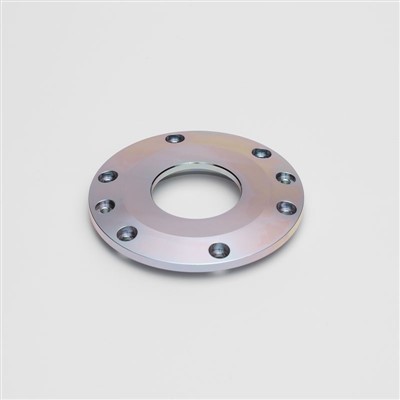
First off, let’s get one thing straight: a forklift seat isn’t just a flat pad bolted to the frame. It’s a tiny, specialized system that keeps the operator safe, comfortable, and even helps the forklift run the way it’s supposed to. Split into core parts and the often-overlooked add-ons that make a huge difference, every component has a job, and if one fails, it can mess with everything from ride quality to OSHA compliance. Let’s start with the foundation—literally. The seat pan is the metal base of the whole seat. It’s usually made of heavy-gauge steel (not thin junk that bends if you look at it wrong) because it’s the backbone that holds all the other parts in place. On electric forklifts, the seat pan often has cutouts or small brackets built in for wiring; that’s because a lot of modern forklifts won’t even start if the seat sensor doesn’t register you’re sitting there. I’ve had more than one customer call us in a panic because their brand-new part-time driver hopped on the forklift and it wouldn’t crank—turns out a tiny bracket on the seat pan had bent from potholes in the warehouse yard, throwing the sensor out of whack. Pro tip from me: always check the seat pan first if your seat-related issue is something weird like the forklift refusing to start.
Next up, the seat cushion. This is the part everyone thinks of when they hear “seat”—the foam pad that sits on top of the pan. But it’s not regular couch foam, folks. Forklift cushion foam is high-density, flame-resistant, and specifically molded to distribute your weight evenly because operators can sit in that seat for 10, 12, even 14 hours a day. Cheap aftermarket cushions? They’ll compress in 6 months, leaving your driver sitting on hard metal and getting back pain by lunch. We sell OEM-grade cushions that last 2-3 years in heavy use, and I’ve had drivers tell me the difference is night and day. The back cushion is basically the same concept—shaped to support the lower back, which is the biggest pain point for forklift operators. I once had a driver who worked at a grocery distribution center send us a message saying our back cushion cut their lower back pain by 70%—they used to go home with a heating pad every night. That’s the kind of win that makes the part game worth it.
Then we have the seat cover, which is more than just a pretty (or functional) wrap. Most forklift seat covers are made from durable vinyl or heavy-duty fabric, because they get spilled on, scraped by tools, and baked in the sun all day. The cover has to be tear-resistant and easy to wipe down—no one wants to scrub grease out of a porous fabric cover, trust me. The best part about covers? They’re a cheap fix if your cushion foam is still good but the seat is ripped. I recommend every warehouse keep a spare cover and cushion on hand—changing a seat cover takes 10 minutes, and it’s way cheaper than buying a whole new seat.
Now for the parts that actually make the seat do things. The seat adjustment mechanism—this is the lever (or sometimes electric switch, on newer models) that lets you slide the seat forward or back, or tilt the backrest. This is one of the most used parts on the entire forklift, right up there with the steering wheel. After a year or two of constant sliding, the adjustment rails start to wear, and the lever gets loose. I’ve seen drivers yank so hard on a stuck adjustment lever that it pulls the whole assembly off the seat pan. Newer electric forklifts have electric adjustment mechanisms, which are more convenient but also more prone to wiring issues—we sell a lot of replacement adjustment motors for those. Another big one here is the seatbelt. Wait, I know you’re thinking “that’s not part of the seat”—but guess what? OSHA classifies the seatbelt as a forklift seat component, and it’s non-negotiable for compliance. Seatbelts on forklifts aren’t the same as car seatbelts, either. They’re designed to be more flexible, have a longer length (in case you need to lean over controls), and have a heavy-duty buckle that won’t break if someone hits a rough patch. We stock all sizes of forklift seatbelts—2-point, 3-point, even harnesses for high-lift forklifts where the operator could fall further. And for the love of all things safe, don’t skip replacing the seatbelt when it’s frayed or the buckle sticks. I once had a customer tell me they forgot to replace a frayed seatbelt and an operator hit a pothole, got thrown forward, and the seatbelt snapped. That’s not a part failure—that’s a preventable mistake.
Here’s the part most people forget: the seat suspension system. Forklifts drive over rough warehouse floors, sometimes with uneven surfaces, and that vibration transfers right up to the operator’s body. Seat suspension is basically a set of springs (or hydraulic shocks, on higher-end seats) between the seat pan and the forklift frame that absorbs that vibration. If you don’t have good suspension, operators get repetitive motion injuries, their work slows down because they’re bouncing around, and even the forklift’s components get worn faster from all the shaking. I’ve seen budget forklifts with no suspension at all, and the operators there burned through seat cushions twice as fast as ones with suspension. Replacing worn suspension parts isn’t just a comfort thing—it’s a productivity thing.
Now, let’s talk about the “small stuff” that causes 90% of the seat-related issues we get calls about. First, the seat sensor. That’s the tiny little switch tucked under the front of the seat pan that detects when someone is sitting there. If it’s dirty, or a wire gets loose, the forklift won’t start, or it will beep nonstop until you put weight on the seat. I’ve had so many new part-time operators think their forklift is broken, when all they needed was to clean the seat sensor. Then there’s the trim and side panels—little plastic or metal pieces that cover the adjustment mechanism and the edges of the seat. They don’t do a huge job on their own, but if they fall off, grease and dirt get into the adjustment rails, making them stick, and that leads to bigger issues. We sell these as individual parts, so you don’t have to buy a whole seat just because a trim piece broke.
Let’s also clear up a common myth: you don’t have to buy a whole new seat if one part breaks. Years ago, everyone would panic and replace the entire seat when the cushion wore out or the seatbelt broke, but that’s just wasting money. We stock every individual forklift seat part you could possibly need—from tiny sensor wires to complete suspension assemblies. A few years back, I had a customer who told me they saved over $1,500 by just replacing their seat cushion and adjustment rails instead of buying a whole new seat for their 10-forklift fleet. That’s the kind of value we focus on here—getting operators back to work without breaking the bank.
If you work in a warehouse, run a forklift fleet, or are just a mechanic who deals with these machines every day, you know how important it is to have parts that are reliable. We’ve tested every part we sell—no cheap junk that falls apart in 3 months. The forklift seat might seem like a minor part, but it’s one that touches the operator every single shift, keeps them safe, and keeps your forklift running without weird issues like random start-up failures.

If you’ve got a worn cushion, a broken adjustment lever, a seatbelt that’s seen better days, or any other forklift seat part needs, hit us up. We’ve got all the OEM and aftermarket parts you need, ready to ship fast. We don’t play around when it comes to getting your forklifts up and running safely.
Shaft Parts References
- Occupational Safety and Health Administration (OSHA). (2023). Powered Industrial Trucks (Forklifts) – Seat Requirements. U.S. Department of Labor.
- Toyota Material Handling. (2022). Forklift Seat Maintenance & Replacement Guide. Toyota Industrial Equipment North America.
- Raymond Corporation. (2021). Common Forklift Seat Component Failures and Troubleshooting. The Raymond Corporation.
- Material Handling Industry (MHI). (2020). Best Practices for Forklift Fleet Component Maintenance. MHI Global.
Taizhou Liuhuan Machinery Co., Ltd.
As one of the most professional forklift parts manufacturers and suppliers in China, we’re featured by quality products and good service. Please rest assured to buy customized forklift parts made in China here from our factory. For quotation, contact us now.
Address: Xinyuan Industrial Zone, Damaiyu Street, Yuhuan City, Zhejiang Province,China
E-mail: tzlhmachining@gmail.com
WebSite: https://www.tzlhmachining.com/
