Alright, let’s dive into what I get asked all the time: which industries actually rely on laser cutting parts? As a laser cutting parts supplier, I hear this question from shop owners, engineers, and random folks scrolling through our site at least once a week. It’s not just about “cutting metal”—lasers have come so far, they work on everything from tiny medical bits to huge construction gear, and if you’re in any of these fields, you’re probably using (or could be using) laser-cut parts without even knowing it. Laser Cutting Parts
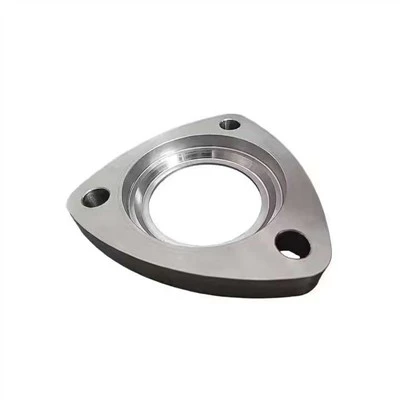
First up, let’s talk about manufacturing equipment—wait, that’s almost too broad, but I mean the industrial machines that make other stuff. Think about the conveyor systems in a snack factory: those slotted metal brackets holding the plastic guides? Laser-cut. The control panels for packaging machines? Those precise little cutouts for switches and sensors? Definitely laser-cut. The reason here is simple: laser cutting can make super tight, consistent cuts on thin steel or aluminum, way better than old-school methods like sawing or stamping, especially if you need custom parts. Last month, I had a client who makes automated assembly robots for electronics—they were using stamped parts that kept warping, so they switched to laser-cut stainless steel parts, and their error rate dropped by 12%. That’s real, I see that kind of win every month.
Next, automotive—this one’s a big one, no surprise here. But it’s not just the car bodies (though those big laser-cut panels for doors and hoods are standard now). It’s the tiny, hidden parts too: the brackets that hold your car’s seatbelts in place, the metal shields under the engine that block heat, even the custom trim pieces for electric vehicle (EV) battery packs. EVs are a huge growth area for us right now—battery packs need perfect-sized metal frames to hold the cells, and laser cutting can handle that without leaving rough edges that could scratch the battery casing. A few weeks ago, an EV startup hit us up because their local stamping shop couldn’t make the curved brackets for their charging port covers fast enough; we cranked them out in 3 days, and they got their prototype to a test track on time. No delays, no hassle, that’s what we do best.
Medical devices is another industry that’s blowing up for laser cutting. You might not think lasers belong in hospitals, but hear me out: surgical tools, like the small metal blades for laparoscopic surgery? They’re laser-cut because you need a super sharp, precise edge that won’t tear tissue. Also, implantable parts—like the metal frames for orthopedic implants, such as hip replacements. Those have to fit exactly, down to the hundredth of a millimeter, and laser cutting delivers that consistency. I worked with a medical device lab last year making custom stents for pediatric heart patients—stents are tiny, mesh-like metal tubes that prop open blocked arteries, and laser cutting is the only way to get that intricate pattern right without weakening the metal. If they used any other method, the stents could break inside a kid’s body. That’s the kind of work that makes being a laser supplier feel more important than just selling parts, y’know?
Then there’s aerospace and defense. This is for the big stuff: aircraft panels, satellite components, even parts for military drones. The key here is that materials have to be light but strong, so they use things like titanium or high-grade aluminum. Laser cutting works great with those hard metals because it doesn’t put as much stress on the material as other cutting methods, which means less waste and parts that are lighter overall. A client who makes small satellite frames told us last year that switching to laser-cut titanium parts cut their satellite’s total weight by 8 pounds—every pound counts when you’re sending something to space. That’s a game-changer for their launch costs. Defense clients also use our parts for things like missile guidance systems, where a tiny misaligned cut could mess up a whole mission. So precision isn’t just nice here—it’s critical.
Construction and heavy equipment—this might not be the first industry you think of, but it’s huge. Think about the steel brackets that hold up scaffolding, the custom metal plates that reinforce building beams, even the parts for excavators and bulldozers. When you’re building a skyscraper, you need parts that are cut exactly to fit, no mistakes, because a bad bracket could cause safety issues. Laser cutting can handle thick steel (up to 2 inches, depending on the machine) which is perfect for those heavy construction parts. Last quarter, we supplied brackets for a new hospital wing downtown—they needed 500 identical metal brackets to hold up the ceiling beams, and laser cutting made all of them exactly the same, so installation took half the time they projected. That saves time and money, which is everything in construction.
Electronics is another one that’s easy to miss, but it’s everywhere. When you open up a laptop, or a smartphone, or a gaming console, look at the metal frame inside that holds all the circuits. Those tiny, precise cutouts for buttons, ports, and cooling fans? Laser-cut. Also, the metal shields that block electromagnetic interference (EMI) in your phone—those thin metal sheets have to be cut just right so they don’t interfere with the signals. A client who makes wireless chargers told us they switched to laser-cut EMI shields because the old stamped ones had small gaps that caused charging to be slow for some phones. The laser-cut shields fit perfectly, and their customer complaints about charging speed dropped by 90%. That’s the kind of small detail that makes a big difference for consumers.
Furniture and decorative metalwork—okay, this is the fun, creative side. If you’ve ever seen a custom metal sign, a geometric metal wall art piece, or a unique metal chair, chances are it was laser-cut. Laser cutting can make super intricate designs—like a sign with delicate letters or a chair with curved metal patterns—that would be almost impossible to make with other methods. A local furniture maker we work with does custom dining chairs, and their signature design has a metal backrest with a laser-cut mountain pattern. They told us being able to do that laser-cut pattern has doubled their sales, because it’s something no other chair maker offers. It’s not just industrial stuff—laser cutting is for artists and designers too.
Wait, should I mention food and beverage? Oh right, that’s a big one I almost forgot. Processing equipment for food needs to be made from food-safe materials, like stainless steel, and laser cutting is perfect because it leaves smooth, easy-to-clean edges. Parts like the conveyors in a brewery, the metal frames for soft drink bottling lines, even the blades for cutting packaged snacks—all laser-cut. A craft brewery client last year needed custom brackets for their new canning line; they used to weld metal pieces, but the welds were hard to clean and got contaminated with beer residue. Laser-cut brackets have no welds in the high-touch areas, so cleaning is easier, and they passed their health inspection on the first try. That’s huge for small breweries that don’t have time to rework equipment.
Now, let’s be real—there are a lot of laser suppliers out there, but what makes us different? I’ve been in this business for 8 years, and I’ve learned that industries don’t just need “a laser cut part”—they need parts that are made fast, precise, and fit exactly what they need. Whether you’re a small custom furniture maker needing 10 unique metal signs, a big automotive company needing 10,000 identical brackets, or a medical lab needing tiny stents, we adjust to your timeline and your specs.
I get it, if you’re in any of these industries, you’re busy—you don’t have time to mess around with parts that are cut wrong or late. That’s why we prioritize communication: if you send us a design file, we’ll send you a quote in 24 hours, and if you need a rush order, we can often get it done in 3 days. No hidden fees, no runaround, just good old-fashioned laser cutting done right.
If you’re in any of these industries (or even an industry I didn’t mention—trust me, there are more), and you need laser cutting parts, reach out. We can walk through your design, answer any questions, and make parts that work for your project. No obligation, just a chat about what you need.

At the end of the day, laser cutting is everywhere, from the medical devices that save lives to the custom metal art in your living room. It’s not just a manufacturing tool—it’s a way to make things better, faster, and more precise. And if you’re using laser-cut parts, you’re part of a huge, growing group of industries that rely on this tech to get things done.
Laser Cutting Parts References:
- American Iron and Steel Institute. (2023). Laser Cutting Applications in Industrial Manufacturing. Retrieved from industry publications.
- International Organization for Standardization. (2022). Medical Device Manufacturing Standards for Precision Cutting.
- Society of Automotive Engineers. (2021). Laser Use in EV Component Manufacturing.
- Aerospace Industries Association. (2023). Advanced Fabrication Methods for Satellite Components.
- Food and Drug Administration. (2022). Food Equipment Manufacturing Guidelines for Metal Parts.
Liaocheng Shengkjia Machinery Accessories Co., Ltd.
As one of the most professional laser cutting parts manufacturers and suppliers in China, we offer a wide range of products with superior quality. With abundant experience, we warmly welcome you to buy advanced laser cutting parts at low price from our factory. For more cheap products, contact us now.
Address: No 8 Liaohe Road, Liaocheng City, Shandong Province, China
E-mail: Lcshshenghuaiwei@aliyun.com
WebSite: https://www.shengjia-steel.com/
