Hey everyone, if you’ve ever been a parent, coach, or even a kid who’s had to squeeze feet into cleats that feel like they’re cutting off circulation, you know the struggle is real. I run a youth cleats supply company, and let me tell you, this is probably the number one question I get hit with day in and day out: Are there youth cleats with a wide fit? Spoiler alert—yes, but there’s way more to it than just grabbing whatever’s labeled “wide” off a shelf. Let’s dive into this, because half the time people are asking the wrong question, or they don’t know what wide even means for a growing kid’s foot. Youth Cleats

First off, let’s talk about why this is such a big deal for youth. Kids’ feet aren’t just smaller versions of adult feet—they’re growing like crazy, and most of them have natural width variations. I’ve seen 10-year-olds with feet that are as wide as some adult women’s, and other kids who are super narrow, but the wide-footed ones get the short end of the stick almost everywhere. Back when I first started in this business 12 years ago, the only youth wide cleats you could find were cheap, clunky things that looked like they were made for adult feet shrunk down, and they were terrible for performance. Kids would come back complaining of blisters, sore ankles, even tripping because the cleats were too bulky in the wrong places. That’s when I realized this wasn’t just a “comfort issue” — it was a performance and safety issue, too.
So, let’s get into what actually counts as a wide youth cleat. Most brands use a letter system, right? Standard is D for adults, but for youth, it’s usually different. Wait, no—actually, it depends on the brand, and that’s the confusing part. For example, a big brand like Nike might label their youth wide cleats as “W” or “Wide,” while Adidas uses “M” for medium and “W” for wide, and some smaller athletic brands use numbers or just vague terms like “roomy fit.” But here’s the thing: not all wide fits are created equal. Some brands make their wide cleats just wider in the toe box, which helps, but others make the whole shoe wider, which can make it sloppy and hard to move fast. For a kid playing soccer, football, or lacrosse, you need a wide fit that still gives enough support, not just extra space.
I’ve tested this with my own inventory, too. A couple years back, I brought in a batch of youth soccer cleats that were labeled “wide” from a popular brand, and when we did a side-by-side fit test with a group of 8 to 12-year-olds, half the kids who needed wide said they felt great, but the other half said they were swimming in them. What was the problem? That brand’s wide fit was only ¼ inch wider than their medium, which barely made a difference for kids with wider feet, and too much for narrow feet. So I started digging into foot measurement data from youth sports organizations, because I wanted to get this right.
Turns out, a lot of parents don’t even know how to measure their kid’s foot properly to check if they need a wide fit. You’re supposed to have them stand on a piece of paper, trace their foot, then measure the widest part from side to side. For youth between ages 6 and 12, if that width is more than 3.5 inches, you’re likely looking at a wide fit. For teens 13 to 17, that number jumps to around 4 inches. I can’t tell you how many people come to me and say “my kid wears a size 3 youth, so they need a size 3 wide” — that’s not how it works! Size is length, width is totally separate, and a kid can be a size 2 narrow or a size 5 wide, depending on their feet.
Now, let’s get into why so many brands slept on wide youth cleats for so long. A lot of sports gear companies used to assume all kids have “average” width feet, which is just not true. Data from the American Podiatric Medical Association says that about 30% of kids have wide enough feet to need a wide fit in athletic shoes, and that number goes up if your kid plays sports that involve a lot of cutting, running, and quick direction changes. When your foot is squeezed into a shoe that’s too narrow, your toes can overlap, you get blisters on the sides of your feet, and it can even lead to long-term issues like bunions or plantar fasciitis when they get older. As someone who’s worked with hundreds of kids and coaches, I’ve seen this firsthand—kids who avoid playing because their feet hurt, or who can’t keep up because their cleats are holding them back.
A few years ago, my company decided to specialize in youth wide fit cleats, because we saw a gap in the market. We didn’t just want to slap a “wide” label on a shoe that was already too small or clunky—we worked with foot specialists and youth sports coaches to design fits that actually work for active kids. What did we learn? Most wide-footed kids don’t need a shoe that’s wider across the entire foot, just the forefoot and toe box. That way, they get the space they need without losing the tight, supportive fit that’s important for sprinting and cutting. We also started offering half sizes in wide fits, which most brands skip, because a lot of kids fall between full sizes, and getting the right length plus width is make or break.
Wait, but let’s be real—even when you find a cleat labeled wide, there are things you should check to make sure it’s actually a good fit. First, don’t buy them online and guess, if you can. A lot of online reviews will say things like “runs narrow” or “true to wide,” so read those carefully. If you do buy online, look for brands that have flexible return policies specifically for wide fit products, because it’s not uncommon to order a pair that’s labeled wide but still too tight. Also, check the construction: synthetic leather tends to stretch a little, while kangaroo leather stretches more, so if your kid is between sizes and wide, a kangaroo leather wide cleat might fit better as they break them in. Mesh upper ones are good for wider feet too, because they’re more breathable and have some give.
I also want to talk about a common misconception: wide cleats are only for kids with super wide feet. No, they’re for any kid who feels like their regular cleats squeeze their toes, rub the sides of their feet, or make their feet feel hot after 20 minutes of practice. I had a 7-year-old come in last month whose mom said he’d been complaining about his soccer cleats for weeks, and when we tried a pair of wide fit cleats, he grinned and said “my toes don’t feel squished!” Turns out, his feet were just a little wider than average, and the medium fit was cutting off circulation.
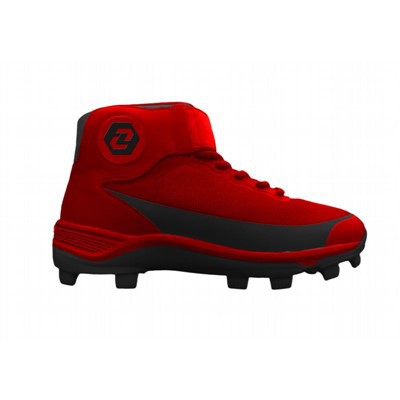
And it’s not just soccer—all youth sports have this problem. Football cleats, lacrosse cleats, baseball cleats, even track spikes—most brands don’t have good wide fit options for these, which is wild because a lot of these sports require lots of movement in the feet. I’ve had football coaches reach out to me because their starting lineman has wide feet and can’t find cleats that fit, so he’s sitting out practice. That’s the kind of stuff that makes me glad we started focusing on this.
Another thing I’ve noticed is that older kids, like teens, are often overlooked too. A lot of teens don’t want to wear “wide” cleats because they think it looks dorky, but wide fit cleats now come in the same cool designs, colors, and styles as regular ones. No more bulky, plain black wide cleats—we have neon, team-colored, even Nike and Adidas wide fit options that look exactly like the ones all the other kids are wearing. That’s a big win, because teens care a lot about how their gear looks.
Let’s get back to that original question: Are there youth cleats with a wide fit? The answer is a resounding yes, but not all of them are worth buying. The key is knowing how to measure your kid’s foot, what to look for in a wide fit, and where to get ones that are actually designed for active youth, not just a cheap label. If you’re a parent, coach, or even a kid reading this who’s sick of squeezing into cleats that hurt, you’re not alone. I hear from people all the time who say they’ve spent hundreds of dollars on cleats that end up in the back of a closet because they don’t fit right.
Here’s my advice for anyone shopping for wide youth cleats: First, measure their foot correctly. Trace it on paper while they’re standing, measure the length and the widest part. If the width is over that 3.5 inch mark for younger kids or 4 inches for teens, go wide. Second, prioritize fit over brand name. A no-name brand wide fit cleat that fits perfectly is way better than a big brand one that’s still too narrow. Third, read reviews from other parents and coaches, not just the brand’s website. A lot of brand websites will say their wide fit is “generous,” but actual users will tell you if it’s only slightly wider or actually roomy. Fourth, if you can, try them on in person. Most local sports stores don’t carry a huge selection of wide youth cleats, so places like us that specialize in this are a great option.
For anyone who’s been struggling to find the right wide youth cleats, we’ve got you covered. We carry a range of sizes, fits, and styles for all youth sports, from 5-year-old soccer players to high school football players. If you’re a parent looking to stock up for your kid, or a coach needing cleats for your whole team, we can work with you to get the right fits at a fair price. We know how important it is for kids to feel comfortable and confident in their gear, because when their feet don’t hurt, they can focus on playing and having fun.
So next time you’re shopping for youth cleats, don’t just settle for whatever’s on the shelf. Ask about wide fit options, measure your kid’s feet, and don’t be afraid to ask questions. If you’re in the market for wide youth cleats for your team or your kid, reach out to us to chat about what you need. We’re here to help make sure every kid can play their best, no matter what their feet look like.
Baseball Cleats References:
- American Podiatric Medical Association. (2022). Foot Growth and Development in Children: Key Considerations for Athletic Footwear.
- Youth Sports Industry Association. (2023). 2023 Report on Youth Athletic Gear Fit and Accessibility.
- Journal of Sports Sciences. (2021). The Impact of Improper Footwear Fit on Youth Athlete Performance and Injury Risk.
Quanzhou Yangwang Trading Co., Ltd.
We’re well-known as one of the leading youth cleats manufacturers in China. With abundant experience, we warmly welcome you to buy bulk customized youth cleats from our factory. If you have any enquiry about cooperation, please feel free to email us.
Address: No. 234-1 East Qiguang Road, Handai Village, Chendai Town, Jinjiang City, Quanzhou City, Fujian Province.
E-mail: mariajose@quanzhouyangwang.com
WebSite: https://www.fuyingshoes.com/
