Hey there! If you’re reading this, you’re probably a new rabbit parent, or maybe you’ve got a seasoned bun who’s been stealing your socks since day one. Either way, let’s cut to the chase: rabbit care isn’t just about giving them veggies and a hutch to hide in (though those things matter). As a pet products supplier who’s been obsessing over bunnies for years, I’ve fielded way too many panicked texts from people whose “simple rabbit setup” turned into a whole mess of chewed wires, stressed buns, and wasted cash on stuff their furry roommates would straight-up ignore. Today, we’re breaking down what actually works—no fancy fluff, just real, science-backed picks your rabbit will (maybe) actually get excited about. Pet Products
First off, let’s get one thing straight: rabbits aren’t hamsters or cats. They’re complex, prey animals that need space to zoom, things to chew (they have teeth that grow forever—yep, forever), and a stress-free zone to nap in. Skip the tiny, decorative hutches from the big box stores—those are death for a rabbit’s physical and mental health. Let’s start with the basics that you can’t skip, even if your bun acts like they’re too cool for everything.
1. Commercial Timothy Hay Pellets (But Not the Sweetened Kind)
Wait, I know what you’re thinking: “Hay is hay, right?” Nah, not when it comes to pellets. Most new rabbit parents grab the cheap generic pellets with fruit bits or added sugar because they look “yummy,” but that’s a one-way ticket to obesity and dental issues. Rabbits’ diets should be 80% hay, 15% leafy greens, and 5% pellets—so pellets are just a tiny supplement, not the main event. As someone who’s tested a ton of brands, my go-to is high-quality timothy hay pellets (wait for it) that don’t have any added stuff. Why timothy? It’s high in fiber, which keeps their gut moving (constipation is a silent killer for rabbits—no joke), and low in protein, which prevents those weird health spikes. Avoid alfalfa pellets unless you have a baby bun under 6 months—alfalfa is like rabbit candy, and adults don’t need all the extra calcium. Pro tip: Skip the “fortified” pellets that promise every vitamin under the sun—if you’re feeding hay and greens, they’re already covered. I’ve seen too many buns with sticky fur from sweetened pellets, and trust me, cleaning that is not fun.
2. Heavy-Duty Hay Feeders That Don’t Tip (And Let Them Eat Normally)
Rabbits spend 6-8 hours a day eating—they’re built for that! But if you put a flimsy plastic bowl of hay on the floor, half of it gets kicked out, chewed, or soiled (thanks, prey-animal nest-making instinct). That’s where a good hay feeder comes in. I’ve tested dozens: the ones that hang on the side of the cage work, but the heavy, low-to-the-ground ones with a wide opening are way better. Wait—don’t waste your money on the mesh ones where they have to pull hay through holes? Rabbits get frustrated, and it just leads to them dumping the whole thing. My top pick? A ceramic or weighted plastic feeder that sits low, so they can nibble comfortably without knocking it over. I had a customer last month who tried a cheap wire feeder, and her rabbit chewed through the wire in 2 days—dangerous. So, heavy and chew-resistant is non-negotiable. If your rabbit is a free-roam bun, a large, shallow ceramic crock works too—just make sure it’s too heavy to flip.
3. Chew Toys (Not Just Sticks From Your Backyard)
Let’s be real: Rabbits chew. If they don’t have their own stuff, they’ll chew your couch, your laptop charger, or that vintage mug you got from your grandma. But not all “chew toys” are equal. Pine and cedar wood are bad—they have oils that make rabbits sick. Stick to apple, willow, or bamboo. As a supplier, I’ve worked with brands that make woven willow balls—my buns go crazy for those. They can bat them around, chew them, and they’re safe if they nibble off small pieces. Also, cardboard tubes (from paper towels or toilet paper) are free and great, but replace them often because they get soiled. Wait—what about those wooden chew blocks? They’re fine, but mix it up: rabbits get bored with the same thing every day. A little hack I love: tie woven willow strips to the cage bars (not too tight, though!) so they can yank and chew, which keeps them busy. One thing I always tell customers: if your rabbit chews through a toy in a day, that’s a good thing—they’re using their teeth. If they ignore it, swap it out. No shame in rotating toys like you’re decorating for a new season.
4. Safe Bedding (Skip the Cat Litter and Pine Shavings)
This is another area where I see so many mistakes. New rabbit parents often use clumping cat litter, which is a disaster—if a rabbit eats it, it can cause a blockage that’s fatal. Pine and cedar shavings? Same issue as the wood for toys—toxic oils that irritate their lungs and digestive systems. So what’s safe? Paper-based bedding (like aspen shavings, wait no—soft paper bedding, not the chip kind) or fleece liners. Wait, fleece is great for bunnies, but you have to wash it every 2 days because rabbits go to the bathroom everywhere. Paper bedding is cheaper and easier if you don’t want to do laundry that often. I recommend a layer of paper bedding in the litter box, and a small section of fleece for napping (they love soft spots). If you’re using a cage liners, avoid anything scented—rabbits have super sensitive noses, and strong scents stress them out. I once had a bun that refused to use the litter box because the scented bedding made her sneeze nonstop for 2 hours. Worth the extra $5 for unscented, trust me.
5. Litter Boxes That Actually Work (Not The Tiny Cat Ones)
Rabbits are way cleaner than people give them credit for—most can be litter box trained! But you need the right box. A regular cat litter box is too small—rabbits need room to turn around and do their business. My go-to is a large, low-sided plastic storage bin (just cut the front down so they can get in easily) or a litter box made specifically for rabbits. I’ve tested both, and the storage bin is just as good, way cheaper. Put the litter box in the corner of their cage (that’s where they naturally go) and fill it with a thin layer of paper bedding. Pro tip: If your rabbit is peeing outside the box, don’t yell—they’re probably stressed (new home, new cage, too many toys) or the box is too small. Add a second box if needed. I had a customer who had two rabbits, so she put a litter box in each corner, and problem solved.
6. Hideouts (Because They’re Prey Animals)
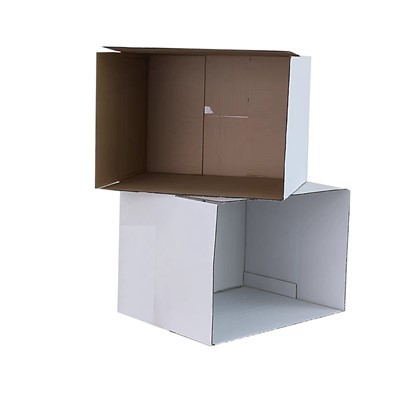
This is non-negotiable. Rabbits need a safe space to hide when they’re stressed—loud noises, new people, or even just a bad day. If you don’t give them a hideout, they’ll hide in their water bottle or behind their food bowl, which is not ideal. Hideouts can be as simple as a cardboard box (cut a hole in the side) or a wooden hide made for rabbits. The wooden ones last longer, which is better for cost. I’ve had rabbits that slept in a cardboard box for a week and then chewed it up, so swapping every 2 weeks is fine. Wait—no plastic hideouts! Rabbits can chew through plastic, and if they eat pieces, that’s a blockage risk. Wood or cardboard is way safer. One thing I love: some hideouts have a small opening, so only they can fit—makes them feel extra secure. I once had a customer whose rabbit would run to the hideout whenever the doorbell rang, so having that space is basically their rabbit therapy.
7. Water Bottles/Bowls That Stay Full (And Clean)
Okay, this might seem small, but rabbits need constant access to fresh water. A full-grown rabbit drinks 80-150ml a day—more if it’s hot. So, what’s better: a bottle or a bowl? I prefer a water bottle attached to the cage, because bowls get kicked over, soiled, or chewed. But some rabbits hate bottles—they can’t figure out how to get the water out. If your rabbit is one of those, go for a heavy ceramic bowl that’s too wide to flip. Pro tip: Clean the bottle every 2 days—algae grows fast, and rabbits won’t drink dirty water. I once had a bun that stopped drinking because her water bottle had a little algae in it, and she got dehydrated. Luckily we caught it early, but it was a scare. So consistency with water is key.
8. Toys For Mental Stimulation (Because Boredom = Bad Behavior)
Chew toys are one thing, but rabbits also need stuff to keep their brains busy. If they’re cooped up all day with nothing to do, they’ll get destructive (chew your stuff, skip using the litter box, etc.) or depressed. Easy, low-effort ideas: scatter feeding—hide a few pellets or a leafy green around their cage so they have to “hunt” for them. Puzzle feeders made for small animals work too—just make sure the pieces are big enough that they can’t swallow them. I’ve seen some brands make puzzle toys that require rabbits to push a lever to get food out, and my rabbits spend hours messing with them. Also, if you free-roam your rabbit (let them run around the house), give them a small, safe playpen area (no wires they can chew, no toxic plants) with a few toys. Just don’t leave them unsupervised for too long—they’re escape artists.
Wait—before I wrap this up, let’s talk about what not to waste your money on. The tiny decorative hutches: they’re too small, no ventilation, and your rabbit will be miserable. The fancy “rabbit beds” that are stuffed with fabric—if they pee on it, you have to wash it every day, and some rabbits will chew the fabric and swallow stuffing. The expensive “health supplements” that aren’t necessary—if you’re feeding a good diet, they don’t need extra vitamins. I see so many suppliers push these as “must-haves,” but they’re just a cash grab.
Here’s the thing: I’ve been in the pet product game for years, and I’ve worked with thousands of rabbit parents. The best products are the ones that fit their natural behavior—they need to chew, they need space, they need to hide. If you pick stuff that works with that, your rabbit will be happy, healthy, and less likely to destroy your house.
If you’re a shop owner, a foster parent, or just someone who needs bulk rabbit supplies and wants to skip the overpriced junk, hit me up. We’ve got all the stuff I mentioned (timothy pellets, heavy hay feeders, safe chew toys, hideouts) at fair prices, and we test every single product on our own buns to make sure it’s actually worth buying. No hidden fees, no random “magic” products that don’t work—just real stuff for real rabbit parents.
Wait—one last note: always check with a vet if you have questions about your rabbit’s health, especially when it comes to diet or new products. Every rabbit is a little different, but these picks are backed by rabbit nutritionists and vets, so you can trust them.
Happy pet parenting, and may your bun stop stealing your socks soon. Let’s connect if you’re looking for quality rabbit products—we’ll help you set up the perfect space for your furry friend.
Paper Products References:
- American Society for the Prevention of Cruelty to Animals. (n.d.). Rabbit Care.
- Rabbit Welfare Association & Fund. (2022). Safe Products & Enrichment for Pet Rabbits.
- Journal of Veterinary Behavior. (2021). The Impact of Environmental Enrichment on Stress Levels in Domestic Rabbits.
Rugao City Printing Co., Ltd.
As one of the most experienced pet products manufacturers and suppliers in China, we also support customized service. Please feel free to wholesale bulk high quality pet products for sale here from our factory. For quotation, contact us now.
Address: No. 259, Liyu Road, Rugao City, Jiangsu Province
E-mail: rgsycxp@163.com
WebSite: https://www.rugaoprinting.com/
