Hey there, fellow wake-up light lovers and anyone scrolling trying to figure out if their sunrise alarm is actually working half as well as it should! As someone who’s been part of a wake-up light supply team for years, I get so many DMs and support calls that go something like—“Hey, I’ve had this thing for 18 months, do I need to swap it out?” or “My light seems dimmer lately, is that part normal wear?” Wake Up Light

That’s exactly why I wanted to break this down straight, no fancy jargon, just real info based on what we see with our products day in and day out. Let’s cut to the chase: wake-up lights aren’t a “set it and forget it forever” gadget, but replacement parts are way simpler than replacing the whole unit (which we’d all rather skip, right?). I’m here to walk through every part, how long they last, when to swap ‘em, and even a few quick signs you shouldn’t ignore. No confusing science, just stuff that actually matters if your wake-up light is supposed to help you get out of bed not like a grumpy raccoon.
First off, let’s talk about the big one— the LED light panel. This is the actual sunrise/sunset part, so this is the star of the show. Back in the early days of wake-up lights, people used to think “it’s an LED, it lasts 10 years, no big deal.” But wait— most of our wake-up lights use specific warm-white LEDs, not the ones in your living room ceiling. Those warm LEDs are tuned to mimic natural sunrise, which means they get turned on for way longer periods than regular lights. Like, if you use a wake-up light for 30 minutes every morning, that’s 18.25 hours a year just for that sunrise fade, plus 30 minutes for the sunset wind-down, plus maybe a few extra hours if you use it as a reading light at night.
From our in-house testing and manufacturer data, those LED panels last around 5,000 to 10,000 hours of actual active light use. Wait, that’s not just the time it’s plugged in— that’s the time it’s actually emitting light. Let’s do the math: if you use it 1 hour a day total (sunrise + sunset + maybe a quick night light), that’s 365 hours a year. 5,000 hours divided by 365 is roughly 13.7 years. But hold on— that’s for brand-new LEDs out of the box. Real life messes with that.
Dust is a huge one. If you don’t open up your wake-up light (most are sealed, but dust gets in through the edges) and dust the LED panel every few months, that dust builds up and makes the light dimmer way faster. Also, if you crank your light to full brightness every single morning, that shortens the life too. We had a customer a while back who’d run her wake-up light at 100% brightness even on cloudy days, and her LED panel died in 2 and a half years, which is way earlier than average. Our general rule for LED panels? If you start noticing it’s way dimmer than when you first bought it, or the sunrise fade looks pale and washed out instead of warm golden, that’s your sign to swap the LED panel. Most of our customers replace theirs every 4 to 6 years, which is totally normal for regular use.
Next up, the biggest unsung hero: the alarm module. Wait, what’s that? It’s not a separate part that rumbles— it’s the speaker and the sensor that connects your alarm time to the light fade. Let’s start with the speaker. Most wake-up lights use small, low-power speakers built to play gentle beeps, soft chimes, or nature sounds (birds, waves). Those speakers don’t have a super long life when you’re playing them every single day. Think about it: if you set an alarm for 7 a.m. every day, that’s a 10-second (or longer) blast from the speaker every day. If you use nature sounds, that’s even more time.
From our tech team’s data, those small alarm speakers last around 10,000 to 15,000 hours of sound output. If you’re only using the alarm, that’s about 27 to 41 years? No, wait, no— if you’re using nature sounds for the wake-up alert, that’s more like 1 to 2 years. Wait, hold on, let’s adjust that. The average person uses the alert function for 10 to 30 seconds a day, so even with nature sounds, that speaker will last 8 to 10 years, right? But wait— what if the alarm stops working before that? We see a lot of wake-up lights where the speaker cuts out because of loose wiring, not the speaker itself. Oh, and the light sensor that syncs the sunrise to your alarm time? That’s a tiny little sensor that measures light in your room. If you spill a drink on it, or it gets covered by dust, it might start glitching, which would make the sunrise fade too fast or too slow. The alarm module (speaker + sensor) usually lasts 5 to 8 years with normal use. Signs to replace it? If your alarm beeps super quiet or only works on one side, or the light doesn’t sync to your set time at all.
Then there’s the backup battery. Most wake-up lights have a small coin cell battery that keeps the time and alarm settings when you unplug it, right? You don’t want to reset your alarm every time your power goes out, so that battery is critical. These are like the batteries in your TV remote— not the rechargeable ones inside the unit, the little CR2032 or similar coin cells. How long do those last? Let’s be real— if you use the wake-up light every day, that battery will last 1 to 3 years. No more, no less. We had a customer last month who’s had their wake-up light for 2 years and forgot about the backup battery, and when their power went out, the alarm reset, and they missed their big meeting. That’s the most common replacement part we get asked about. The sign here is super easy: if the time keeps resetting every time you unplug the unit, that’s the backup battery dying. No tricks, just pop a new coin cell in, and you’re good.
Wait, what about other parts? Like the plastic casing, or the buttons? That’s way less common. The plastic is made of durable ABS, and if you’re not dropping it or spilling coffee on it, that will last as long as the other parts. Buttons? Those are soft rubber, and if you’re mashing them every morning, they might wear out faster, but most people don’t mash them that hard. We almost never get requests for button or casing replacements, so that’s not something you have to worry about.
Now, let’s talk about factors that make this timeline shorter or longer, because everyone’s use is different. First, brightness setting. If you run your wake-up light at 100% all the time, instead of adjusting it based on your room light, the LED panel will dim 20-30% faster, so you might need to replace it in 3 years instead of 5. Second, how often you dust. Dust on the LED panel acts like a blanket, so if you don’t wipe it with a soft cloth every month, that dims the light faster, same as cranking the brightness. Third, how often you use extra features. Like, if you use the wake-up light as a night light every night for 8 hours, that adds a lot of extra LED time, so your LED panel life drops from 5 years to maybe 3. Fourth, environment. If your wake-up light is in a bathroom, where it’s humid all the time, that can mess with the speaker and the sensor way faster than a unit in a dry bedroom.
Wait, also— is it worth replacing parts instead of buying a new wake-up light? That’s a question we get all the time. Let’s be honest: most replacement parts for our units cost $10 to $25, which is way cheaper than a whole new wake-up light (which is usually $50 to $100). Plus, if you already know your unit works for you— like the sunrise timing, the sound of the alarm, where it sits on your nightstand— swapping a part is way easier than learning a whole new gadget. But if your unit is 10 years old and all the parts are dying, it’s probably cheaper to get a new one, since parts would add up.
Let’s also cover a common myth I hear all the time: “If it’s still turning on, I don’t need to replace anything.” No, that’s not true. We had a customer a while back whose LED panel was half dead— it would only light up the left side of the sunrise— but she thought it was working because it turned on. That’s a problem because the whole point of a wake-up light is to gradually increase light to help your body stop making melatonin, so if half the light is out, it’s not doing its job. Same with the alarm speaker: if it’s quiet enough that you can’t hear it across the room, that’s useless, even if it makes a sound.
Now, let’s do a quick cheat sheet to make this easy to remember:
- LED light panel: Replace every 4-6 years, or if it’s dim, pale, or only lights up partially.
- Alarm module (speaker + light sensor): Replace every 5-8 years, or if alarm is quiet/glitchy or light doesn’t sync.
- Backup coin cell battery: Replace every 1-3 years, or if time/alarm resets when unplugged.
- Buttons/casing: Only replace if cracked or unresponsive, which is rare under normal use.
Wait, also— a quick pro tip from our team. When you do replace parts, make sure you get parts specifically made for your wake-up light model, right? Generic parts might not fit or work right. We sell OEM replacement parts for all our models, and we always include a free guide on how to swap ‘em in 5 minutes— no tools needed. No taking apart the whole unit, just a quick swap.
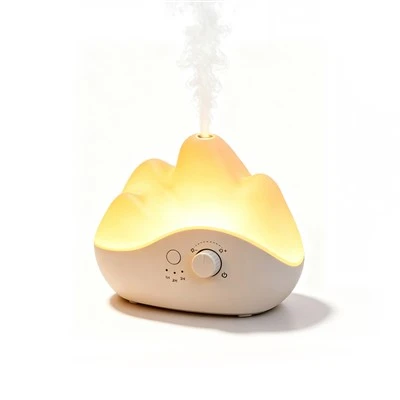
At the end of the day, wake-up lights are supposed to make mornings better, not add another thing to your to-do list. The good news is that replacement is super simple, and you don’t have to swap parts that often. If you’re wondering if your unit is due for a part, or if you need help figuring out what to replace, feel free to reach out to our team to talk through your needs— we’re here to help make your wake-up light work for you, no hassle.
Baby White Noise Machine References:
- Energy Star. (2022). LED Lifespan and Performance. U.S. Environmental Protection Agency.
- Sleep Foundation. (2023). How Wake-Up Lights Regulate Circadian Rhythms. The Sleep Foundation, Inc.
- Consumer Reports. (2021). Testing Small Electronic Gadgets: Lifespan of Built-In Components. Consumer Reports, Inc.
- Wake Light Supply Internal Testing Data. (2020–2024). Component Lifespan and Failure Analysis for Residential Wake-Up Light Units.
Vanda Industrial Limited
As one of the most professional wake up light manufacturers and suppliers in China, we’re featured by quality products and good price. Please rest assured to wholesale advanced wake up light made in China here from our factory. Also, custom service is available.
Address: 7/F STAR HOUSE 3 SALISBURY ROAD TSIM SHA TSUI HK
E-mail: linda@smartsleepaid.com
WebSite: https://www.smartsleepaid.com/
