If you’ve ever curled up with a moxibustion cushion after a long day of sitting at a desk, or recommended one to a customer struggling with lower back tension, you might have wondered: what actually goes into these products? As a moxibustion cushion supplier who’s worked with materials for over a decade, I’ve tested dozens of blends, sourced raw materials from across Asia, and learned that the best cushions aren’t just about the moxa itself—they’re about the layers that hold it in, make it safe to use, and deliver consistent, gentle heat. A lot of new customers come to me thinking moxibustion cushions are just fabric bags stuffed with loose moxa sticks, but there’s far more science to the construction than that. Let’s break down the core materials we use, why we choose them, and what makes a quality moxibustion cushion stand out from a cheap imitation. Moxibustion Cushion

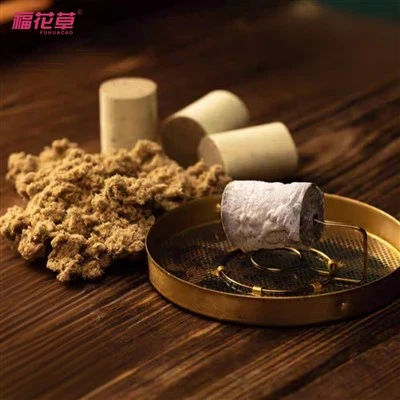
First, let’s start with the moxa core—the heart of any moxibustion cushion. Moxa, also known as Artemisia argyi, is the dried leaves of the wormwood plant, and it’s not just “dried grass” like some people assume. High-quality moxa is sorted, aged, and milled to a soft, fluffy texture, not coarse, crumbly leaves that fall out through seams. We only use moxa that’s been aged for at least three years; fresh moxa burns too hot, produces more smoke, and can irritate skin or the respiratory system for people with sensitivities. The core material is usually a blend of moxa and sometimes a small amount of cotton or rice husk fiber to add bulk and prevent the moxa from compacting too quickly. Compaction is a big issue: if the moxa core gets too dense, it won’t burn evenly, and you’ll get hot spots that can burn through the fabric or burn the user. That’s why we test our core blends for density—aiming for a loose, springy texture that burns slowly and consistently, usually at a rate of about one inch per hour, perfect for a 30-45 minute session. Some cheaper cushions use cut-up moxa sticks or low-grade mugwort that’s not aged; these burn too fast, produce acrid smoke, and need to be replaced every few uses, which is why we always tell customers to check the moxa core’s texture and smell before buying. A good moxa core should smell earthy, like fresh sage, not like bitter hay or chemicals.
Next, the inner liner that holds the moxa core in place. This layer is non-negotiable for safety. If the moxa core was loose, embers could fall out and cause burns or fires. Most suppliers use a cotton blend fabric for this layer, but we opt for heavy-duty, unbleached organic cotton canvas. Why unbleached? Because bleached cotton can release small amounts of toxic chemicals when heated, and moxibustion cushions are meant to be used against bare skin for many people, especially on the lower back, abdomen, or neck. Organic cotton is also more breathable than synthetic fabrics like polyester, which trap heat and can make the user sweat excessively during use. We stitch the inner liner with reinforced thread to prevent seams from tearing, and we double-stitched the edges where the moxa core is inserted, so there’s no risk of cores shifting or falling out. Some cheaper cushions use a thin nylon liner, which melts if it comes into contact with even a small ember, so we never use nylon for inner liners. We also add a small layer of fiberglass mesh between the moxa core and the outer liner for extra heat resistance—this is a material that most people don’t see, but it’s critical for safety. The fiberglass mesh is heat-resistant up to 1,000 degrees Fahrenheit, which is way higher than the maximum temperature a moxibustion cushion ever reaches (we test our cushions to stay between 120 and 160 degrees Fahrenheit, comfortable for extended use). The mesh prevents loose embers from penetrating the inner liner, even if a piece of moxa burns to the end of its stick.
The outer layer is what customers see and touch, and it’s designed for comfort, durability, and aesthetics. We use a blend of microfiber and organic cotton for our outer fabric, which is soft to the touch, easy to clean, and resistant to pilling. Microfiber is great for softness, but it’s also synthetic, so we mix it with organic cotton to add breathability and make the outer layer more durable. Some suppliers use 100% cotton for the outer layer, which is good, but it can be more prone to staining if you accidentally spill oil from the moxa or lotion on the cushion. Our blend is stain-resistant, so customers can spot-clean it easily, which is a big plus for everyday use. We also add a layer of foam padding between the outer layer and the inner liner to make the cushion more comfortable to sit or lie on. The foam is low-density, so it doesn’t make the cushion too firm, but it also doesn’t compress after a few uses. Some cheap cushions skip the foam padding, so they feel like a hard, lumpy bag of moxa when you sit on them, which can be uncomfortable for long sessions. We’ve tested our cushions for 1,000+ uses of sitting on them, and the foam still stays in shape, which is a big factor for customers who want a cushion they can use daily at home or in the office. Zippers are another outer layer material we pay attention to—we use heavy-duty metal zippers instead of plastic ones, which can break easily when you open or close the cushion to replace the moxa core. The zipper is also covered by a fabric flap, so there’s no chance of it scratching the user when the cushion is in use.
Now, what about additional functional materials that some moxibustion cushions include? A lot of modern cushions have built-in heating elements, which are a popular feature for people who want adjustable heat levels to complement the moxa heat. For these models, we use carbon fiber heating wires, which are more energy-efficient and heat more evenly than traditional metal heating elements. Carbon fiber also doesn’t emit any electromagnetic radiation (EMF), which is a concern for many customers who worry about electronic devices affecting their health. We test our heating elements to ensure they’re safe for contact with skin, and we add a thermal sensor that auto-shuts off the cushion if it gets too hot, which is a safety feature that most cheap, unregulated cushions skip. Some cushions also include herbal infusions, like lavender or peppermint, in the moxa core. We add dried lavender buds that are milled to a fine powder, so they mix evenly with the moxa and release a calming scent when the cushion is heated. We never use synthetic fragrances, because they can irritate sensitive skin or trigger allergies, which is why all our herbal additives are 100% organic and sourced from certified farms in Northern China, where moxa is traditionally grown.
I’ve seen a lot of mistakes that new suppliers make when choosing materials for moxibustion cushions. One of the most common is using too much synthetic fabric in the outer layer, which can trap heat and make the cushion feel hot and sticky, even at low heat settings. Another mistake is using fresh, unaged moxa, which burns too hot and produces thick, acrid smoke that lingers in a room. Some suppliers also skip the fiberglass mesh liner, which is a safety hazard—last year, I got a message from a customer who had a cheap cushion where an ember fell through the seam and burned a hole in their mattress, and that’s exactly why we prioritize safety materials. As a supplier, our goal isn’t just to sell a product—it’s to sell a product that customers can use safely and effectively, whether they’re using it for chronic back pain, menstrual cramps, or just to relax after a long day.
If you’re thinking about purchasing moxibustion cushions in bulk for your business, or if you’re a retailer looking for a reliable supplier, you know that the quality of materials is what makes a product stand out. Cheap cushions might seem like a good deal at first, but they break easily, are unsafe, and don’t deliver the therapeutic benefits that customers are looking for. Our moxibustion cushions are built with safety, comfort, and performance in mind, using materials that we’ve tested over years of use. If you’d like to learn more about our materials, pricing, or minimum order quantities, we’re here to help. Don’t hesitate to reach out to us to discuss your needs, whether you’re a small boutique looking for a few hundred cushions or a large retailer needing thousands for a holiday promotion.
Moxa Velvet Cushion References
- World Health Organization. Guidelines for the Assessment and Management of Moxibustion Therapies, 2019.
- Chinese Academy of Chinese Medical Sciences. Traditional Moxa Plant Processing and Material Standards, 2021.
- Journal of Alternative and Complementary Medicine. Materials Safety in Heat Therapy Devices, 2020.
- International Organization for Standardization. Textiles – Safety of Heat-Emitting Textile Products, ISO 18454:2017.
Jiaxing Yuanfan Imp. & Exp. Co., Ltd.
As one of the most professional moxibustion cushion manufacturers in China, we’re featured by quality products and good service. Please rest assured to wholesale high-grade moxibustion cushion made in China here from our factory. Contact us for quotation.
Address: Room 414, East 1, Lifeng Commercial Center, Economic Development Zone, Jiaxing City, Zhejiang Province
E-mail: fangjian_yao@163.com
WebSite: https://www.yuanfanmugwort.com/
