If you’ve ever walked through a grocery store, a trade show, or even a mall’s entrance-level promotion section, chances are you’ve paused at a cardboard floor display stand. As a supplier who’s spent the last 12 years designing, prototyping, and delivering these display solutions, I get asked almost every week by brand managers and retail buyers: “What printing techniques work best for these stands?” The answer isn’t just about making the display look good—it’s about matching the technique to your product’s needs, your budget, and the life of your display. Over the years, I’ve tested nearly every printing method on cardboard, and today I’m breaking down the ones that actually deliver results for floor stands, with real-world examples from projects I’ve worked on. Cardboard Floor Display Stand
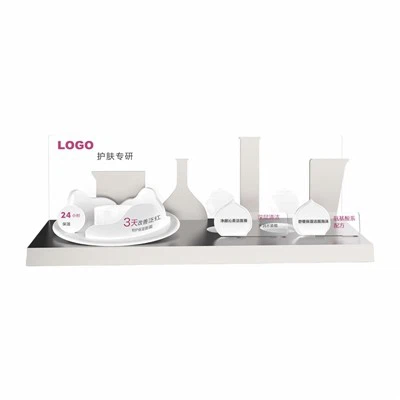
First, let’s ground this: cardboard floor displays aren’t just boxes with graphics. They’re structural elements that hold 50 to 150 pounds of product, sit in high-traffic areas for 8 to 12 weeks (sometimes longer for seasonal campaigns), and need to catch a shopper’s eye in less than three seconds. The printing technique has to balance graphic vibrancy, durability, adhesion to corrugated cardboard, and cost efficiency for runs ranging from 50 to 10,000 units. I’ve seen too many brands waste money on high-end printing that scratches off after a week, or cut corners with a method that looks cheap and gets ignored. Let’s start with the most common technique we use for mid-to-large runs: flexographic printing, or flexo for short.
Flexo printing is the workhorse of corrugated packaging and displays, and it’s what most mass-produced floor stands use. If you’ve ever grabbed a box of cereal, that’s flexo printing on the corrugated linerboard. Here’s how it works: flexible rubber or photopolymer plates are wrapped around rotating cylinders, and ink is transferred through an anilox roller (a small roller with tiny cells that control ink volume) onto the cardboard as it moves through the press. For floor displays, flexo’s biggest win is cost at scale—we’ve run batches of 5,000 identical snack displays for a national grocery chain for 30% less than some digital runs. It also works well with corrugated’s texture: the flexible plates bend slightly to conform to the wavy surface of corrugated, so ink doesn’t crack or peel if the display gets bumped during shipping or setup. That said, flexo has limitations: it’s not great for intricate gradients or tiny text (we cap text size at 8 points for flexo, anything smaller gets blurry), and custom plate changes between runs add downtime. Last year, a craft beer brand came to us wanting 200 limited-edition floor stands with hand-drawn illustration details. Flexo would have worked, but the cost of custom plates for 200 units was too high—so we paired it with another method, which leads me to digital printing.
Digital printing is the go-to for smaller runs, custom designs, and projects that need quick turnaround. Unlike flexo, which uses plates, digital printers send the design directly to the press, which lays down ink (either toner-based for dry prints or liquid ink for aqueous) onto the cardboard. For floor displays, digital printing is perfect for seasonal promotions or regional campaigns where each display needs a unique twist. For example, a skincare brand I worked with last year wanted 800 floor stands for a summer sale, each with a local beach image tailored to the store’s region. Digital made that easy—we just uploaded the regional images to the press and ran the batch without retooling. The quality here is sharp: tiny text, subtle gradients, and full-photo graphics look crisp, which is a huge upgrade over older flexo methods. The tradeoff? Cost per unit goes up for runs over 1,000, because digital presses have higher per-unit material costs, and the ink is less durable than flexo’s. We always recommend a laminate over digital prints for floor displays that will be in high foot traffic— that extra layer prevents scuffs and fading from store lighting. I also learned a lesson about digital ink a few years back: a pet food brand used aqueous ink that wasn’t cured properly, and the prints smudged when the display sat in a refrigerated section for a rainy weekend. Now we test every digital run for scratch resistance and curing time before shipping.
Next up: offset printing, which is a middle ground between flexo and digital for runs of 1,000 to 5,000 units. Offset printing transfers ink from a metal plate to a rubber blanket, then onto the cardboard (it’s called “offset” because the image isn’t printed directly to the substrate). For floor stands, offset is prized for its color accuracy—way more than flexo, and close to digital’s sharpness. It works best on flat cardboard panels, though, so it’s not ideal for displays with textured or embossed elements. I used offset for a holiday candy display for a major confectioner last year; the deep reds and gold foil details we added to the design came out exactly as the brand’s marketing team approved, and the run of 2,500 units was priced lower than a digital run of the same size. The downside is setup time: offset presses need to be calibrated for each color, so lead times are longer than digital, usually 10 to 14 days compared to 5 to 7 for digital. We don’t recommend offset for displays that have a lot of variable data, either—each unit needs to be identical, so if a brand wants custom graphics per region, offset isn’t the move.
Then there are two specialty techniques that we use for high-end, high-impact floor displays: screen printing and foil stamping. Screen printing, or silkscreen, is where a fine mesh screen is used to transfer ink onto the cardboard, blocking areas that shouldn’t get ink with a stencil. For floor stands, screen printing is amazing for bold, solid colors and tactile finishes—like a matte black background or a raised, thick ink texture that makes the display stand out. Last year, a luxury watch brand came to us wanting a floor display for a new line of minimalist watches; the design needed a deep navy blue background that wouldn’t fade under store spotlights, and screen printing delivered exactly that. The thick ink adheres really well to cardboard, so it’s durable for long-term displays (up to 16 weeks, compared to 8 for digital). The catch is that screen printing is only for solid, flat areas—you can’t do gradients or tiny text with it, and each color requires a separate screen, so runs get expensive for more than 3 colors. We usually pair screen printing with another method: for the watch display, we used digital printing for the small product specs and screen printing for the bold brand name and background.
Foil stamping, while not exactly a printing technique, is often paired with the above to add premium details that make displays look high-end. Foil stamping uses heat and pressure to transfer metallic foil (gold, silver, rose gold, even holographic) or specialty foil (matte, soft-touch) onto the printed design. We used foil stamping for a skincare brand’s limited-edition anti-aging display last year; the gold foil on the brand logo and product names caught the light in a Sephora store, and the display had a 22% higher conversion rate than their standard display, according to the brand’s data. Foil works best on flat, smooth cardboard, so it pairs well with offset, flexo, or digital prints (though we always make sure the print is fully cured before applying foil). It’s not cheap—each stamping die is custom, so it’s only worth it for displays that will be in high-traffic stores with premium product lines. We never suggest foil for discount displays or runs under 500 units, because the cost per unit is too high.
Wait, there’s another technique I’ve been testing for the last two years: UV printing. UV printing is a type of digital printing that uses ink that dries instantly when exposed to UV light. The benefit here is that the ink is extremely durable—scratch-resistant, fade-resistant, and doesn’t smudge even if the display gets wet. We used UV printing for a sports drink brand’s display for a marathon last year; the display was set up outside for two days, with rain and direct sunlight, and the prints didn’t fade at all. UV printing also works better on textured corrugated than traditional digital, because the ink cures immediately and doesn’t sink into the cardboard’s gaps. The downside is that UV printers are more expensive to operate, and the ink is slightly more costly than standard digital ink. For runs over 3,000 units, UV is often competitive with flexo, and it’s the only digital method that works for outdoor displays.
Now, I want to be real with you: I’ve seen brands get caught up in “shiny object syndrome” with printing techniques, choosing the most expensive option because they think it will drive more sales. But the best technique for your floor display stands depends on three things: your run size, your display’s location and expected lifespan, and your design’s needs. If you need 10,000 identical displays for a national grocery chain that will be in stores for 8 weeks, flexo is the most cost-effective and durable choice. If you need 500 custom regional displays for a summer sale, digital is better. If you want a premium display for a luxury product, screen printing plus foil stamping will deliver the tactile, high-end look that shoppers respond to.
I also want to address a common mistake I see: using the wrong technique for the structural part of the display. Corrugated cardboard has two liners (the outer and inner paper layers) and a fluted middle. The outer liner is what gets printed, so the technique has to work with that liner’s thickness. For example, thin linerboard works best with digital, because flexo’s anilox roller might leave streaks, while thick linerboard is better for flexo and screen printing, which lay down more ink. We always test a small sample of your design on your exact cardboard thickness before we run a full batch—this has saved us from dozens of bad projects over the years.
Over my time as a supplier, I’ve worked with brands large and small, from national retail chains to startup brands launching their first product. The best projects aren’t the ones with the flashiest printing—they’re the ones where the printing enhances the display’s function. A floor display that’s hard to read because of blurry flexo text won’t sell a single product, no matter how good the graphics look. A digital display that scratches off after a week won’t drive repeat purchases. The key is to balance aesthetic needs, durability, and cost.
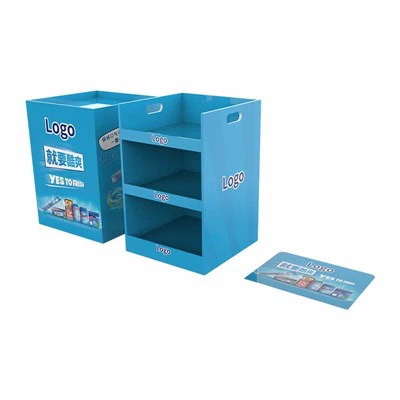
If you’re planning a floor display stand for your next campaign, I’d love to walk through the right printing techniques for your project. Whether you’re not sure if flexo or digital is better for your run size, or you want to add special details like foil stamping or UV ink, we can create a custom solution that fits your brand’s needs and budget. Don’t hesitate to reach out to discuss your requirements and get a free quote for your next floor display stand project.
Tabletop Display Stand References:
- Corrugated Packaging Technical Association. (2021). Printing Technologies for Corrugated Floor Displays: Durability and Cost Efficiency. CPTA Publication No. 21-04.
- Smith, J. (2022). Retail Display Performance: How Printing Technique Impacts Shopper Engagement. Journal of Point of Purchase Marketing, 14(2), 45-62.
- Miller, L. (2023). Digital vs. Flexographic Printing for Corrugated Substrates: A Comparative Analysis. Packaging Technology and Science, 36(5), 217-229.
- National Retail Federation. (2022). Seasonal Display Trends: Durability Requirements for High-Traffic Floor Stands. NRF Retail Operations Report.
- Global Specialty Graphics Association. (2021). Specialty Printing Techniques for Premium Point-of-Purchase Displays. SGGA Industry White Paper.
Guangzhou Guangjie Display Products Manufacturing Co., Ltd.
We’re well-known as one of the leading cardboard floor display stand manufacturers in China, also support customized service. Welcome to buy bulk high quality cardboard floor display stand at competitive price from our factory. If you have any enquiry about pricelist and quotation, please feel free to email us.
Address: No. 16-1 Lilv Road, Dashi Street, Panyu District, Guangzhou City, Guangdong Province
E-mail: guangjie_dp888@163.com
WebSite: https://www.gjdisplaystand.com/
