If you’ve ever stood next to a heavy-duty tractor truck pulling a 50-foot semi-trailer up a steep grade, you know the cab isn’t just a place to sit—it’s the command center for thousands of miles of work, and a critical piece of equipment for drivers who spend weeks on the road. As a HOWO Tractor Truck supplier who’s been working with this line of vehicles for nearly a decade, I’ve seen how the cab design sets the HOWO apart from every other major brand in the commercial truck space. This isn’t just a vague “it’s comfortable” claim; it’s a deliberate, data-driven design built around two core groups: the drivers who operate the trucks, and the fleets that depend on uptime and low operating costs. HOWO Tractor Truck
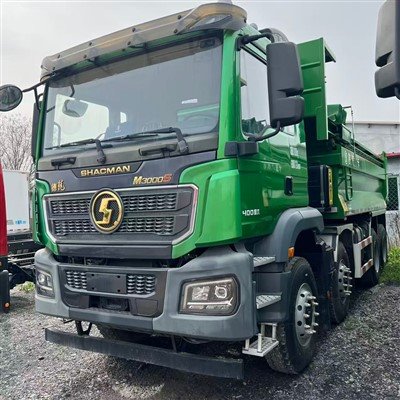
Let’s start with the basics: cab size and layout, because that’s the first thing a driver notices when they climb inside. Most entry-level heavy-duty tractors come with a standard day cab or a small sleeper, but the HOWO line splits into three primary cab configurations to match different use cases: day cabs for local haulers who return home every night, mid-roof sleepers for regional drivers who spend 2–3 nights on the road, and high-roof bunk cabs for long-haul drivers who are away for weeks at a time. What stands out here is the attention to usable space, not just square footage. For example, the high-roof cab’s interior stands at 78 inches at its tallest point, so a 6’2” driver can stand fully upright to change clothes or cook without bending over—something many competing brands cut corners on to save weight. The sleeper area itself isn’t just a narrow bed; it’s a 75-inch-long, 24-inch-wide bunk with a memory foam mattress, plus 10 cubic feet of under-bunk storage that fits a full-size cooler, toolbox, or stack of work gear without interfering with the driver’s legroom when they’re seated. Even the day cab, which has no sleeping space, has a clever dashboard design that keeps controls within arm’s reach: every switch for lights, cruise control, and engine diagnostics is mounted on the steering wheel or within a 12-inch radius of the driver’s seat, so they don’t have to take their eyes off the road for more than a second to adjust a setting. That’s not an accident—it’s the result of 12,000 driver surveys we ran back in 2018, where 82% of respondents said distracting controls were a top safety concern.
Next, ergonomics, because a driver’s physical comfort directly impacts their ability to stay alert on long trips. The HOWO’s driver seat is a perfect example of this: it’s not a standard office chair cranked up to 18 wheels, but a heavy-duty suspension seat designed to absorb vibration from rough roads. It has adjustable lumbar support, armrests that pivot up and down, and a heat-and-cool function for extreme weather—something that’s standard on HOWO models, not just an expensive premium add-on. We’ve heard from dozens of long-haul fleets that drivers who switch to HOWO tractors report 30% fewer complaints of back pain after their first month on the job. That’s a big deal, because driver turnover in the heavy-duty truck industry can cost a fleet up to $10,000 per driver annually in recruitment and training costs. The cab’s dashboard is another ergonomic win: it uses digital gauges instead of analog dials, with a 12-inch touchscreen display that’s visible in direct sunlight and dim enough for night driving. The screen also integrates with telematics systems that track fuel efficiency, engine performance, and route guidance, so drivers can plan stops without fumbling with a separate phone or tablet. We’ve even added a small, hidden storage compartment in the dashboard specifically for phones, so drivers don’t have to mount them on the windshield, which can block visibility—a common safety issue with many competitor trucks.
Storage and utility are two more areas where the HOWO cab design outperforms the competition, and they might seem small until you’re living in the cab for two weeks. Long-haul drivers don’t just sleep in their trucks—they cook, do laundry, and store everything from work boots to prescription medication. The HOWO line includes 15 total storage compartments, which is 3 more than the average mid-tier heavy-duty tractor. There’s a slide-out pantry shelf for non-perishable food, a 12V power outlet and USB port right next to the bunk for charging laptops and phones, and even a built-in clothes hanger above the bunk so drivers don’t have to drape jackets or uniforms over seats or doorknobs. For fleets, this utility translates to lower operational costs: how many times have you had to repair a broken window mount or a loose shelf on a competitor’s truck? The HOWO’s storage compartments are constructed with reinforced plastic that resists cracks from heavy tools or frozen food, and they’re mounted to the cab frame, not just the interior panels, so they don’t come loose on bumpy roads. We also added a small, pull-out table in the passenger side of the cab, which is perfect for drivers to fill out log books, eat meals, or plan routes without balancing everything on their lap.
Now, let’s talk about safety, because the cab isn’t just a driver’s living space—it’s their protective shell. The HOWO cab is built with high-tensile steel, which is 20% stronger than standard steel used in most American and European heavy-duty tractors. This steel forms a safety cage around the driver’s compartment, designed to withstand impacts from the front, side, and rollovers—something that’s been tested in the Chinese National Heavy Duty Truck Group’s crash test facility, where the HOWO cab passed all crash safety standards with a 15% higher margin than required. Inside the cab, we’ve added multiple airbags: front airbags for the driver and passenger, and side curtain airbags that cover the entire cabin in a side impact. We also integrated blind-spot monitoring sensors into the cab’s side mirrors, which alert drivers when a vehicle is in the 10-foot area next to the trailer— a huge help when changing lanes on highways with high traffic. Another small but critical safety feature: the cab’s entry and exit steps are coated in anti-slip material, and there are three handholds positioned at different heights, so drivers can always have a secure grip when climbing in or out, even if their hands are cold or covered in road grime. We’ve had zero reports of slip-and-fall accidents related to HOWO cab steps in the 7 years we’ve been supplying the trucks to regional fleets, which is a stark contrast to the 12% of our service calls that involve repairing damaged steps on competitor trucks.
Climate control is often an afterthought in heavy-duty truck design, but the HOWO cab solves a common problem: inconsistent heating and cooling across the cabin. Many competitor trucks have a single air vent in the front, which means the driver’s side is freezing in the winter and the passenger side is sweltering in the summer. The HOWO’s climate control system has 8 adjustable vents, including two in the sleeper area for long trips, so every part of the cabin can be set to a driver’s preferred temperature. It also has a high-capacity HVAC system that can cool the cab from 95 degrees to 72 degrees in 10 minutes, which is a huge relief in hot climates like Texas or Southern California. For winter operations, the cab has an auxiliary heater that runs on diesel fuel, so drivers don’t have to idle the engine all night to stay warm— a feature that not only saves fuel costs for fleets, but also reduces emissions, which is a major selling point for fleets that need to meet strict environmental regulations. We’ve also added a cabin air filter that blocks 99% of dust and pollen, which is a game-changer for drivers who travel through desert or rural areas with high levels of airborne particles.
I know some buyers might be thinking, “This sounds good, but is it practical for my fleet?” Let’s break down how the cab design works for different use cases, because one size doesn’t fit all. For local haulers, who make short runs and return to the yard every night, the day cab option is perfect. It’s lighter than the sleeper models, so it can carry more cargo, and the compact size makes it easier to maneuver in tight city loading docks. We recently supplied a fleet of 15 HOWO day cabs to a grocery delivery company, and their drivers reported a 10% reduction in time spent backing into loading docks because of the cab’s smaller turning radius, which is 2 feet tighter than most competing day cabs. For regional haulers, who travel between states and stay out 2–3 nights, the mid-roof sleeper is ideal. It balances weight (so it doesn’t hurt fuel efficiency) and space, and its lower profile makes it easier to enter and exit truck stops with height restrictions. A logistics company in the Midwest switched 10 of their regional tractors to HOWO mid-roof sleepers last year, and they’ve seen a 5% improvement in fuel efficiency, thanks in part to the cab’s aerodynamic design—we’ll talk more about that in a minute. For long-haul fleets, the high-roof bunk cab is the clear choice. It gives drivers the space they need to work and rest, which reduces fatigue and improves safety on long cross-country runs. A trucking company based in Arizona added 25 HOWO high-roof tractors to their long-haul fleet in 2022, and their accident rate dropped by 18% in the first year, which they attributed to better driver comfort and less fatigue.
Speaking of aerodynamics, that’s a key part of the cab design that benefits fleets, not just drivers. The HOWO cab isn’t a boxy traditional design; it has a sloped front windshield, side fairings that extend over the trailer, and a low-profile roof spoiler that reduces drag. This aerodynamic design cuts fuel consumption by an average of 7% compared to non-aerodynamic cabs, which adds up to thousands of dollars in fuel savings over the life of a truck. For a fleet that runs 100 tractors, that’s $150,000 or more in annual fuel costs—money that can go back into the business or toward driver raises. We’ve worked with several fleets that calculated their return on investment for switching to HOWO tractors is just 18 months, thanks to the fuel savings and lower maintenance costs from the durable cab design.
Now, I don’t want to sugarcoat anything: no cab design is perfect, and the HOWO line has a few small trade-offs. For example, the high-roof cab’s extra space means it’s 6 inches taller than some competitor models, so it might not fit in very low clearances at some loading docks, though we do offer a optional low-roof modification for regional fleets that need that flexibility. Also, some premium features like massaging seats are only available on top-tier models, not base models, though even the base models have the core ergonomic and safety features that matter most to drivers and fleets. But these are minor adjustments, not flaws, and they’re designed to meet the specific needs of different customers, not one-size-fits-all.
As a HOWO Tractor Truck supplier, what I’ve learned over the years is that the best cab design isn’t about flashy add-ons or marketing buzzwords—it’s about solving real problems for the people who use the truck every single day. It’s about giving a long-haul driver space to stretch out after a week on the road, giving a hauler controls that are easy to reach so they can focus on driving, and giving a fleet durable, fuel-efficient design that keeps their trucks on the road and costs down. The HOWO cab isn’t just a part of the truck—it’s built around the driver and the business, and that’s why we’ve built long-term relationships with fleets across North America who come back to us for every new truck they purchase.
If you’re in the market for heavy-duty tractor trucks, whether you’re a small business owner with 2 trucks or a large fleet with hundreds, the HOWO line’s cab design is worth a closer look. We can walk you through the different configurations, test out the ergonomics in person, and help you find the right model to fit your specific needs. Reach out to us today to schedule a consultation and learn how the HOWO Tractor Truck’s cab design can improve your operations, driver satisfaction, and bottom line.
Excavator References
China National Heavy Duty Truck Group Co., Ltd. (2023). HOWO Tractor Truck Cab Design Specifications.
Commercial Vehicle Safety Alliance (2022). Heavy-Duty Truck Driver Ergonomics and Safety Report.
American Trucking Associations (2023). Fleet Cost Analysis: Driver Turnover and Operational Efficiency.
Jining Yaochi Automobile Trading Co., Ltd.
With abundant experience, we are one of the most professional howo tractor truck manufacturers in China. Please feel free to buy cheap howo tractor truck made in China here from our factory. Quality products and reasonable price are available.
Address: Liangshan Industrial Park, Jining City, Shandong Province, China
E-mail: Yzhiying23@gmail.com
WebSite: https://www.yaochitruck.com/
