Hey there, tractor lovers and farm folks—let’s cut to the chase: picking the wrong tractor implement is like bringing a butter knife to a construction job. I’ve seen it way too many times: a buddy grabs a generic tiller for his small vegetable plot and ends up with half-tilled rows and a broken part by noon, or a new farmer buys a too-big hay baler that gets stuck every time he turns on his 45 HP utility tractor. As a tractor supplier who’s been in the game for almost a decade, I’ve talked to hundreds of folks who’ve messed this up, and today I’m breaking down how to nail the right implement for your specific task—no fancy jargon, just real, useful stuff. Tractors
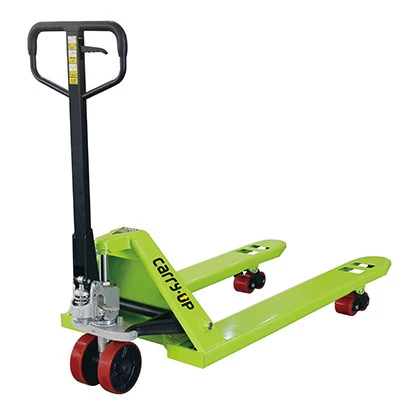
First off, let’s start with the basics that most people skip: matching your tractor’s specs to the implement. It’s not just about “does it connect?” It’s about horsepower, lift capacity, and PTO (power take-off) rating. Let’s say you’ve got a 50 HP tractor—don’t go shopping for a 6-foot rotary tiller that’s rated for 70 HP. That’s a quick way to burn out your engine’s clutch or bend the PTO shaft. I had a guy last spring who did exactly that: he bought a tiller online thinking “bigger is better” for his 2-acre hay field, and by the first pass, his tractor was sputtering so bad he had to call a tow. Instead, check your tractor’s manual for its maximum lift capacity (that’s the weight it can hoist off the ground) and PTO horsepower (for implements that spin, like mowers or balers). If you’re on the fence, just shoot me a note—we do free quick checks for any customer, no hard sell.
Next, define your exact task down to the nitty-gritty. A lot of farmers say “I need something for my field,” but that’s way too vague. Let’s break down common tasks and the right implements for each, because “right” changes depending on what you’re doing.
If you’re prepping soil for planting—say, vegetables, row crops, or a new lawn—don’t grab a moldboard plow just because your dad used one. Moldboard plows turn soil completely, which is great for breaking up tough sod but terrible if you want to keep topsoil intact for no-till planting (which is way better for soil health these days). For small vegetable plots (under 5 acres), a 4-foot rotary tiller or a disc harrow is perfect—it breaks up clumps without turning everything over. For larger fields, a tandem disc harrow works faster, but only if your tractor’s PTO is strong enough. I had a customer last year who switched from a plow to a no-till drill for his corn, and he told me his yield went up 12% the first year—small swaps like that make a huge difference.
If you’re tending to grass, whether it’s a pasture for livestock or a hay field, again, specifics matter. If you’re mowing for hay, a sickle bar mower is cheap and great for small, uneven fields, but it’s slow and can leave uneven cuts. For bigger, flatter hay fields, a rotary mower (sometimes called a flail mower) cuts faster and handles thicker grass, but it’s heavier. If you need to clear overgrown brush or small trees, a brush cutter with a reinforced blade is non-negotiable—don’t use a regular rotary mower; that’s how you chip a blade and end up with rocks flying everywhere. And if you’re baling hay, make sure your baler matches your tractor’s PTO: a small square baler needs at least 40 HP, while a large round baler needs 60 HP minimum. I always tell folks with 20-30 HP tractors to stick to small square balers—they’re easier to maneuver and don’t overwork your machine.
Then there’s the stuff that’s easy to overlook: your property’s terrain and size. If you’ve got a lot of hills or narrow rows, a 7-foot implement is way too wide—it’ll get stuck on turns and damage your crops. I’ve got a customer with a 1-acre vegetable plot on a slope; he tried a 5-foot tiller and kept tipping, so we swapped him for a 3-foot compact tiller made for small, hilly spaces. Now he’s got zero issues. For flat, large fields (10+ acres), wider implements save you so much time—you’ll cut down the number of passes you make, which saves fuel and wear on your tractor. Another terrain tip: if your land is muddy a lot, go for implements with larger tires or tracks to avoid sinking. We’ve had a lot of folks switch to track attachments for their tillers when their fields get wet, and they say it’s cut down on stuck time by 70%.
Wait, let’s talk about livestock folks—this one’s a big category I don’t want to miss. If you’re feeding cattle or horses, you’ll need feed processors or hay feeders, but if you’re cleaning out stalls or spreading manure, a rear-mounted manure spreader is key. But again, size matters: a 10-cubic-foot spreader is perfect for a small herd (5-10 cattle), while a 20-cubic-foot is for larger herds. And don’t forget about compatibility with your tractor’s three-point hitch—most modern tractors use Category 1 or Category 2 hitches, and you can’t mix them (Category 1 is for 20-50 HP, Category 2 for 50-100 HP). I’ve seen people try to force a Category 2 hitch onto a Category 1 tractor, and it just doesn’t line up—ends up wobbly and unsafe.
Another thing: long-term vs. short-term use. If you’re a hobby farmer who only uses your implement 10 hours a year, you don’t need a heavy-duty, industrial-grade model. Those are built for folks who use their equipment 50+ hours a week, and they’ll cost twice as much. A mid-grade implement will work just fine for occasional use, and you’ll save money. But if you’re a full-time farmer running 100+ acres, don’t skimp—cheap implements break down fast, and downtime costs you money. I had a part-time hobby farmer buy a cheap tiller from a big-box store; it broke after 3 uses, and he spent more on repairs than he would have on a good one from us. That’s a mistake I see all the time.
Let’s throw in a quick example to tie this all together. Say you’re a new hobby farmer with a 35 HP tractor, a 2-acre pasture, and a 1-acre vegetable plot. What do you need? For the vegetable plot: a 3-foot compact rotary tiller (matches your Category 1 hitch, 35 HP is enough), no plow needed because you’re doing small-scale no-till. For the pasture: a 5-foot rotary mower (matches your tractor’s PTO, easy to maneuver around trees and fencing) and a small square hay baler (rated for 30-40 HP, perfect for 2 acres). That’s it—no extra, expensive implements you don’t need. If someone tried to sell you a 7-foot disc harrow or a large round baler for that setup, that’s a waste of money and power.
Now, let’s get real about mistakes I’ve seen, because even seasoned farmers slip up. One guy last year had a 60 HP tractor and bought a 8-foot disc harrow for his 5-acre corn field. The harrow was so wide, he couldn’t turn around at the end of each row without driving over his corn—so he ended up with a bunch of damaged plants. We suggested swapping it for a 6-foot disc, which fit perfectly, and he said he saved 2 hours a day and lost 0 crops that season. Another common mistake: forgetting about storage. If you’ve got a small garage or shed, a large implement won’t fit. We’ve had a few customers buy a 6-foot tiller and then have to store it outside, which leads to rust and shorter lifespan. So factor in how you’ll store the implement before you buy.
Here’s the thing: you don’t have to figure this out alone. I know it’s overwhelming when there are 10 different implements for every task. That’s why my team and I take the time to ask you questions: what’s your tractor’s HP? How big is your land? What do you grow, or what do you use your tractor for? Do you have hills or flat ground? We don’t push the most expensive stuff—we match you to what actually works for your situation. We even offer demos for most implements, so you can test it on your land before you commit. No risk, just real feedback.
Wait, let’s wrap this up with the simple checklist I give every customer: 1) Check your tractor’s specs (HP, lift capacity, hitch category, PTO rating) before you browse implements. 2) Narrow down your exact task (soil prep, mowing, baling, livestock work, etc.) and the size of your property. 3) Match implement size to your land’s terrain (narrow rows = smaller implement, flat large fields = wider). 4) Pick a grade that fits how often you’ll use it (hobby = mid-grade, full-time = heavy-duty). 5) Factor in storage and any extra needs (like brush clearance or muddy terrain).
If you’re still stuck—if you’re not sure if a tiller or disc harrow is right for your soil, or if your tractor can handle that hay baler—just reach out. We’re here to help, no pressure, no sales pitches. A lot of suppliers will just throw the biggest, priciest thing at you, but that’s not how we roll. We’ve been around long enough to know that the right implement doesn’t have to be fancy—it just has to fit your needs.
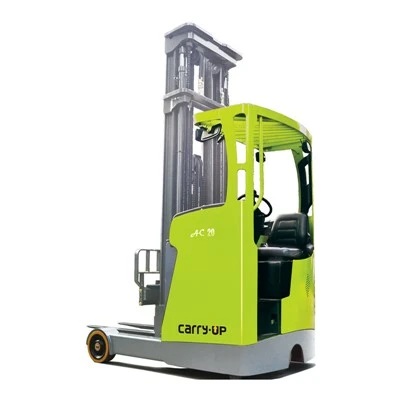
So next time you’re shopping for a tractor implement, skip the stress, use that checklist, and hit us up if you need a hand. We’ve got a wide range of implements for every tractor, from small hobby models to heavy-duty farm gear, and we’re always happy to answer your questions. Don’t make the same mistakes so many folks have—pick the right one first, and you’ll save time, money, and headaches all season long.
Narrow Reach Trucks References:
- USDA Natural Resources Conservation Service. (2022). No-Till Farming Practices for Soil Health and Crop Productivity.
- National Ag Statistics Service. (2023). Tractor and Implement Compatibility Guidelines for Small to Mid-Size Farms.
- American Society of Agricultural and Biological Engineers. (2021). Performance Standards for Rotary Tillers and Hay Mowers for Light-Duty Tractors.
- Farm Journal. (2022). Common Implement Selection Mistakes and Solutions for Hobby Farmers.
- University of Extension. (2023). Terrain-Based Implement Sizing for Small Acreage Farms.
Hangzhou Carry Equipment Co., Ltd.
Hangzhou Carry Equipment Co., Ltd. is one of the most professional tractors manufacturers and suppliers in China, also supports customized service. Please feel free to buy advanced tractors for sale here and get quotation from our factory. For price consultation, contact us.
Address: No.360 Tongxiang Rd., Yinzhou Economic Development Zone, Yinzhou Dist., Ningbo, China
E-mail: Sales@carryupmhe.com
WebSite: https://www.carrymhe.com/
