Hey there! If you’re reading this, chances are you work in some kind of industry—whether it’s manufacturing, logistics, construction, or even event planning—and you rely on that random bunch of gear that’s not your big, shiny main machine. You know, the stuff that’s always in the background but goes down faster than your Wi-Fi at a conference: the cable reels, the lift assist clamps, the air compressors that only work when they feel like it, the tool chests with wheels that fall off, and those little thingamajigs that hold everything together. As someone who’s been supplying other supporting equipment for over 10 years now, I’ve seen more of this gear die early than I can count—usually because people either ignore it until it breaks or hack it together instead of following basic rules. Today, let’s cut through the jargon and talk about how to keep this stuff running so you don’t have to drop thousands on replacements or wait around for last-minute repairs. No boring manuals, just real talk. Other Supporting Equipment

First off, let’s get one thing straight: other supporting equipment is not “junk.” I know when you bought that cable management cart, you didn’t think of it as critical, but if your main assembly line can’t get power because the cart’s frayed cables snapped, that supporting gear just became the whole reason your day went to hell. I once had a client in the food packaging industry who skipped cleaning their portable mixing station every week. Guess what? The caked-on dough and sugar got into the wheel bearings, corroded them, and then the wheel fell off mid-shift. They had to shut down for 4 hours, lost 12 pallets of product, and paid $800 in overtime just to catch up. All because they didn’t do a 5-minute wipe-down of the wheels. So that’s lesson number one: these tools keep your main operations moving—treat ‘em like it.
Let’s start with the most overused (and most ignored) rule: regular inspections. Not the “I’ll check it once a year when OSHA shows up” kind. The daily, weekly, monthly checks that take literally 10 minutes each. Here’s what actually works, not the generic list you’ll find online. For stuff like cable reels and hose reels—super common, super easy to mess up—do a pre-use check every single time you pull one out. Look for fraying in the cable, kinks in the hose, and make sure the retractable mechanism doesn’t stick. Last month, I had a customer tell me their reel was fine because “it retracts okay.” Turns out, they missed a tiny fray that had been getting worse for weeks. The fray snapped while they were pulling a 500lb load through a warehouse, the cable whipped, and nicked a worker’s arm. That could’ve been avoided with a quick once-over before using it. For weekly checks, take a minute to test the latch on anything that locks—clamps, lift straps, tool chest latches. If it’s loose, tighten it with a screwdriver, not a pair of pliers. I’ve seen way too many people hack a loose latch with a piece of wire, which eventually breaks and lets a $500 wrench set fall on concrete. No joke. Monthly checks? For anything with motors or moving parts (like small air compressors, portable generators), listen for weird noises when you turn them on. If it’s making a grinding sound instead of a smooth hum, that’s the bearing going, not just “how machines sound.” Catching that early means you oil the bearing for $5 instead of replacing the whole compressor for $1,500.
Next up: cleaning. This is the single easiest thing you can do, and almost no one does it right. I don’t mean a quick spray with a hose— I mean actually getting into the nooks and crannies where gunk builds up. Let’s break it down by type of equipment, because cleaning a lift assist clamp is different from cleaning a portable workbench. For gear that works in dusty or dirty environments (construction, mining, woodworking), like wheeled carts or material dollies, take the wheels off every 2 months and scrub the inside of the wheel housing. Sawdust, dirt, and concrete dust pack in there like cement, and over time, they cause the bearings to seize. One client told me they replaced 8 sets of dolly wheels in a year until I suggested this—now they go 3 years without a wheel change. For gear that handles liquids or food-grade stuff (mixing stations, small pumps), wipe every part with a mild, non-abrasive cleaner after every use. Even if it’s just water, residue can corrode metal parts over time. And for electrical supporting gear—like extension cords, power strips, portable control boxes—never use a pressure washer. Water and electricity don’t mix, I don’t care what you saw on TikTok. Wipe it down with a damp cloth (not soaking) and make sure all ports are dry before plugging it back in. I once got a call from a guy whose power strip shorted out because he hosed it off after a shift in a garage. The fire department showed up, no one hurt, but he had to replace the strip and the tools plugged into it. Waste of money, waste of time.
Lubrication. Wait, before you roll your eyes and say “I don’t have time to oil things,” hear me out. You don’t need to lubricate every part of every piece of supporting equipment—only the moving parts that touch other metal or rubber. Using the wrong lubricant is worse than not using any, though. That’s the biggest mistake I see. I had a customer once lubricate his air compressor with regular motor oil. Motor oil breaks down in high heat, so within a month, the compressor’s piston seized and fried. The right lube for air compressors is synthetic compressor oil, plain and simple. For gear like hinges on tool chests or latch mechanisms on clamps, use a dry Teflon spray. It doesn’t attract dust like oil or grease, so you don’t end up with a hinge that’s sticky and covered in gunk. For wheel bearings, if your dolly or cart has sealed bearings (most modern ones do), you don’t need to lubricate them at all—they’re built for that. Only if you have open bearings do you need to add a tiny bit of wheel bearing grease once a year. Another pro tip: don’t over-lubricate. Too much grease on a latch will make it so sticky that it doesn’t close right, and all that extra gunk will attract more dirt. Less is more here.
Storage. This is the part that’s so often overlooked because people just throw their gear in a corner when they’re done with it. Storing your supporting equipment wrong is like leaving your phone in the sun all day—it works for a little while, then dies. Let’s talk about specific storage rules, not just “put it away.” First, never leave cables and hoses coiled tight for long periods of time. I know it’s convenient, but constant tight coiling weakens the inner layers, and they’ll snap way sooner. Uncoil them loosely and hang them on a reel or a wall hook. Or, if you have to leave them on the ground, spread them out in a loose loop so they don’t kink. For metal gear—like clamps, dollies, tool chests—if you store it in a damp area (like a garage that gets humid, or a loading bay), get some rust inhibitor spray every 6 months. Even a tiny bit of surface rust can turn into something that locks a wheel or seizes a clamp. For electrical gear, never store it in a place with standing water or near chemicals. I once had a client store his power tools and extension cords next to a bucket of solvent. The solvent fumes ate through the insulation on the cord, and when he plugged it in the next month, it sparked. That’s a safety hazard, not just a repair cost. Also, stack gear carefully. Don’t put a 50lb tool chest on top of a thin portable table—you’ll crush the table and bend the legs, making it wobbly for years.
Now, let’s talk about common fixes people mess up. The number one thing I see is people trying to “fix” their supporting equipment with duct tape, wire, or random parts from around the shop. Duct tape will not hold a frayed cable together for long— I’ve seen those snap mid-use too many times. If something’s broken, replace the specific part, not the whole gear if you don’t have to. For example, if a wheel on your dolly breaks, you can buy a replacement wheel for $10 instead of a whole new dolly for $150. If a latch on your tool chest is loose, buy a new latch for $5, not hack it with wire. Hacking might work for a day, but it will lead to more damage down the line, and that’s what I call “false economy.” Another common mistake: overloading. Every piece of supporting equipment has a weight limit, written right there on the label. I know you can pull that 1,000lb load with your 500lb capacity cart—don’t do it. The wheels will bend, the axle will break, and you’ll have an accident. I can’t tell you how many times a broken axle from overloading has led to a workman getting hurt because the load fell over. Stick to the limits, it’s not a suggestion.
Wait, what about newer gear? All the stuff I just talked about applies to modern, fancy supporting equipment too, not just the beat-up hand-me-downs. I supply a lot of IoT-enabled supporting gear now—like cable reels that track usage, or digital air compressors that alert you when the filter needs changing. A few clients act like because it has a screen, they don’t need to maintain it. No, it still needs inspections, cleaning, and lubrication. The screen just tells you when something is wrong, but it doesn’t fix the frayed cable or the dirty bearing. Last quarter, a client with a smart compressor ignored the alert that said “filter needs change” because he thought it was a glitch. The filter got so clogged that the compressor overheated, and he had to replace the entire unit instead of just a $20 filter. Smart gear is great, but it’s still gear—it needs the same TLC as the old stuff.
And let’s not forget training. Here’s the thing: all the maintenance in the world won’t help if the people using the gear don’t know how to use it right. I’ve trained a lot of new workers who think it’s okay to yank a cable reel super hard, or use a clamp on a surface it’s not meant for. A 10-minute training session when you hand over new gear can save you thousands in repairs. Show them how to inspect it before use, how to clean it, what the weight limits are. It’s not rocket science, but most companies skip it because they’re in a hurry to get the worker on the floor. I once did a training at a warehouse where they had a 30% higher rate of supporting equipment breakdowns than similar warehouses. After a 1-hour training for all 40 workers, their breakdown rate dropped by 22% in 6 months. It’s that simple.
Look, I get it. You’re busy. Your main machine is the star, and the supporting stuff is just there to do the grunt work. But when that grunt work fails, it’s you who pays for it: lost time, extra costs, maybe even safety issues. Over the years, I’ve noticed that the customers who keep their supporting gear the longest and have the least issues are the ones who do the small, consistent things: 10-minute daily checks, weekly wipes, monthly lubrication, and proper storage. They don’t wait for something to break before they do anything, and they don’t hack fixes that will cause bigger problems.
If you’re dealing with supporting equipment that’s acting up, or you’re looking to upgrade your gear to make maintenance easier, hit me up. I don’t do pushy sales pitches— I tell you what works, what’s worth the investment, and what you can skip. I’ve been in this game long enough to know that every business’s needs are different, so I’ll help you figure out what gear (and maintenance routine) fits your space, your team, and your budget. No hidden fees, no confusing contracts, just real advice from someone who’s seen it all.
Before I go, a quick recap so you don’t forget the basics: 1. Daily pre-use checks for wear and tear, 2. Clean every week (and deep clean monthly/quarterly based on environment), 3. Lubricate only the moving parts with the right kind of lube, 4. Store properly (no tight coiling, no damp spots, don’t overload), 5. Don’t hack fixes—replace parts, and 6. Train your team. Do these things, and your supporting equipment will last twice as long as you’d expect, save you money, and keep your operations running smooth.
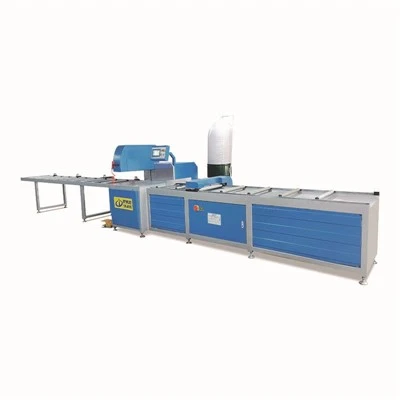
And as always, if you have questions about maintaining specific gear, or if you need new supporting equipment that’s built to last, reach out and let’s chat. No awkward sales calls, just a real conversation about what works for your business.
Steel Formwork Machinery References
- Occupational Safety and Health Administration (OSHA). "General Requirements for Supporting Equipment and Tools." 2022.
- National Institute for Occupational Safety and Health (NIOSH). "Preventing Equipment Failures in Industrial Settings." 2021.
- International Standards Organization (ISO). "Maintenance for Supporting Equipment in Manufacturing Environments." ISO 14644-3, 2019.
- Gartner Supply Chain. "Best Practices for Supporting Equipment Maintenance to Reduce Downtime." 2023.
- American National Standards Institute (ANSI). "Guidelines for the Care and Use of Material Handling Supporting Equipment." ANSI MH 9.5, 2020.
Foshan Yilaite Machinery Equipment Co., Ltd.
Foshan Yilaite Machinery Equipment Co., Ltd. is one of the most reliable supporting equipment manufacturers and suppliers in China, featured by quality products and good service. Please rest assured to buy CE approved supporting equipment from our factory. We also accept customized orders.
Address: No.28, Guangyun Road, Shishan Town, Nanhai District, Foshan City (next to Gaobian Bus Station)
E-mail: Myway18@163.com
WebSite: https://www.yilaitemachine.com/
